
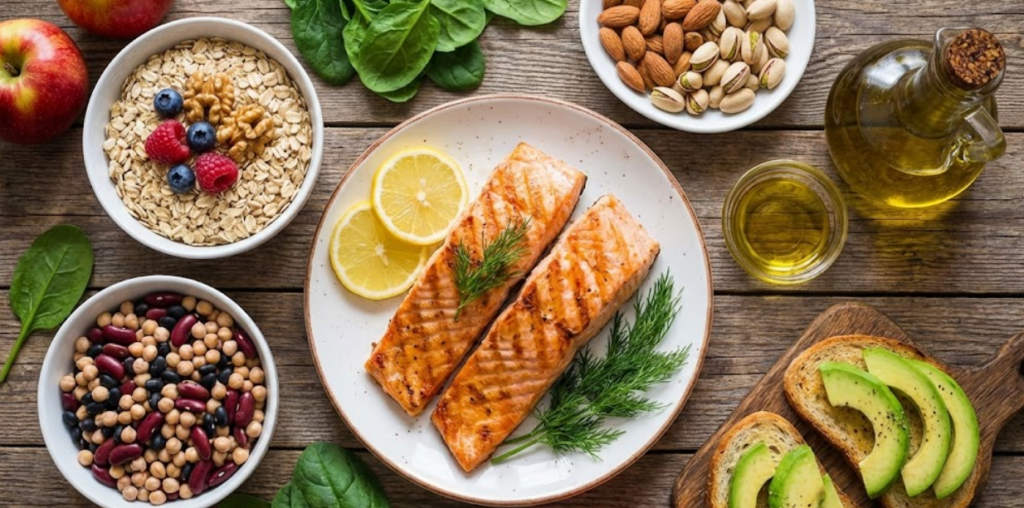
High cholesterol is a common health issue affecting millions of people worldwide. Elevated cholesterol levels can lead to heart disease, stroke, and other cardiovascular problems. Fortunately, one of the most effective ways to manage high cholesterol is by adopting a healthy diet. A well-planned diet for high cholesterol can help lower LDL (bad) cholesterol and raise HDL (good) cholesterol, improving overall heart health. This article delves into the best foods to include in a diet for high cholesterol, providing practical tips to incorporate them into your meals.
Key Takeaways
- Fatty fish, rich in omega-3 fatty acids, help lower LDL cholesterol and raise HDL cholesterol in a diet for high cholesterol.
- Whole grains, like oats, contain soluble fiber that helps reduce LDL cholesterol levels.
- Nuts and seeds are heart-healthy foods that can help reduce LDL cholesterol and boost HDL cholesterol.
- Legumes, such as beans and lentils, are rich in fiber and plant-based protein, making them ideal for cholesterol control.
- Avocados, packed with monounsaturated fats, can help balance cholesterol levels naturally.
- Olive oil is a healthy fat that can lower LDL cholesterol and promote cardiovascular health.
Why Is a Healthy Diet Important for Cholesterol?
Managing cholesterol is essential for preventing heart disease and stroke. Cholesterol is a fatty substance that your body needs to build healthy cells, but too much LDL cholesterol can lead to plaque buildup in your arteries. This plaque can restrict blood flow, making your heart work harder and increasing your risk of heart disease.
Incorporating the right foods into your diet for high cholesterol can help lower LDL cholesterol and raise HDL cholesterol. A healthy diet for high cholesterol is crucial not only for managing cholesterol levels but also for reducing inflammation, improving blood vessel function, and preventing cardiovascular diseases.
By focusing on nutrient-dense foods that help balance cholesterol, you can improve heart health, lower the risk of stroke, and enhance overall well-being. Let’s explore the best foods for lowering cholesterol naturally.
Best Foods to Lower Cholesterol Naturally
The foods you choose to eat play a significant role in controlling cholesterol. The following foods are excellent choices for a diet for high cholesterol, as they help reduce LDL cholesterol and improve HDL cholesterol.
1. Oats and Whole Grains (High in Soluble Fiber)
Whole grains such as oats, barley, quinoa, and brown rice are rich in soluble fiber, which binds to cholesterol and helps eliminate it from the body. Soluble fiber helps reduce the absorption of cholesterol into the bloodstream, making whole grains a crucial part of any diet for high cholesterol.
In addition to lowering cholesterol, whole grains offer numerous health benefits. They support digestion, stabilize blood sugar, and promote feelings of fullness, making them an ideal addition to a heart-healthy diet.
Key Benefits:
- Soluble fiber binds to LDL cholesterol, aiding its removal from the body.
- Helps regulate blood sugar levels, preventing spikes that may worsen cholesterol levels.
- Provides essential vitamins and minerals such as B vitamins, iron, and magnesium.
Best Whole Grains for Lowering Cholesterol in a Diet for High Cholesterol:
| Grain | Nutrients | Health Benefits |
| Oats | Soluble fiber, B vitamins | Lowers LDL cholesterol, stabilizes blood sugar |
| Barley | Soluble fiber, antioxidants | Lowers cholesterol, supports digestion |
| Quinoa | Protein, fiber, magnesium | Reduces inflammation, supports heart health |
| Brown Rice | Fiber, manganese, B vitamins | Regulates cholesterol, improves heart function |
2. Fatty Fish (Rich in Omega-3 Fatty Acids)
Fatty fish such as salmon, mackerel, and sardines are rich in omega-3 fatty acids, which help reduce triglycerides, lower LDL cholesterol, and raise HDL cholesterol. Omega-3 fatty acids also help reduce inflammation and improve blood circulation, making fatty fish a cornerstone of any diet for high cholesterol.
Regular consumption of fatty fish not only lowers cholesterol but also supports heart health by reducing the risk of arrhythmias, lowering blood pressure, and improving overall cardiovascular function. Aim to consume fatty fish at least twice a week as part of a diet for high cholesterol.
Key Benefits:
- Omega-3 fatty acids reduce triglycerides and LDL cholesterol levels.
- Raise HDL cholesterol (good cholesterol), which removes excess cholesterol from the bloodstream.
- Help reduce inflammation, protect blood vessels, and prevent clotting.
Best Fatty Fish for Cholesterol Control in a Diet for High Cholesterol:
| Fish Type | Omega-3 Content (per 3.5 oz) | Health Benefits |
| Salmon | 2.0-2.5 grams | Reduces LDL cholesterol, boosts HDL cholesterol |
| Mackerel | 1.0-1.5 grams | Lowers triglycerides, supports heart health |
| Sardines | 1.5-2.0 grams | Reduces plaque buildup, supports blood flow |
| Herring | 1.0-1.5 grams | Improves circulation, reduces heart disease risk |
3. Nuts (Heart-Healthy Fats and Fiber)
Nuts like almonds, walnuts, and pistachios are packed with healthy fats, fiber, and antioxidants. Including nuts in your diet for high cholesterol can lower LDL cholesterol and increase HDL cholesterol. Nuts are also rich in plant sterols, which help block cholesterol absorption, making them a powerful food for managing cholesterol.
In addition to improving cholesterol levels, nuts are nutrient-dense and provide essential vitamins and minerals, including vitamin E, magnesium, and potassium. Eating a small handful of nuts daily is an easy way to support heart health.
Key Benefits:
- Lower LDL cholesterol and increase HDL cholesterol in a diet for high cholesterol.
- Rich in fiber, which helps reduce cholesterol absorption.
- Provide heart-healthy fats, which improve blood vessel function and reduce inflammation.
Best Nuts for Lowering Cholesterol in a Diet for High Cholesterol:
| Nut | Nutrients | Health Benefits |
| Walnuts | Omega-3s, fiber, antioxidants | Lowers LDL cholesterol, reduces inflammation |
| Almonds | Healthy fats, protein, vitamin E | Supports heart health, lowers cholesterol |
| Pistachios | Protein, fiber, healthy fats | Reduces cholesterol, supports healthy blood flow |
| Cashews | Healthy fats, magnesium, fiber | Supports cholesterol balance and heart health |
4. Legumes (Beans, Lentils, and Chickpeas)
Legumes such as beans, lentils, and chickpeas are packed with soluble fiber and plant-based protein, making them an excellent choice for lowering LDL cholesterol. The fiber in legumes helps bind to cholesterol in the digestive system and aids in its removal from the body. Legumes also offer a wealth of vitamins and minerals, including folate, iron, and potassium.
Adding legumes to your diet for high cholesterol can improve cholesterol levels, regulate blood sugar, and provide long-lasting energy. They also help stabilize appetite and promote satiety, making them an excellent choice for weight management.
Key Benefits:
- Soluble fiber lowers LDL cholesterol by binding to it and promoting its removal.
- Plant-based protein helps reduce the intake of animal fats, which can raise cholesterol.
- Regulates blood pressure and stabilizes blood sugar in a diet for high cholesterol.
Best Legumes for Cholesterol Control in a Diet for High Cholesterol:
| Legume | Nutrients | Health Benefits |
| Lentils | Fiber, protein, folate | Reduces LDL cholesterol, stabilizes blood sugar |
| Chickpeas | Fiber, protein, iron | Regulates cholesterol, supports heart health |
| Black Beans | Fiber, protein, antioxidants | Lowers cholesterol, reduces blood pressure |
| Kidney Beans | Fiber, protein, potassium | Controls blood sugar, lowers cholesterol levels |
5. Avocados (Rich in Monounsaturated Fats)
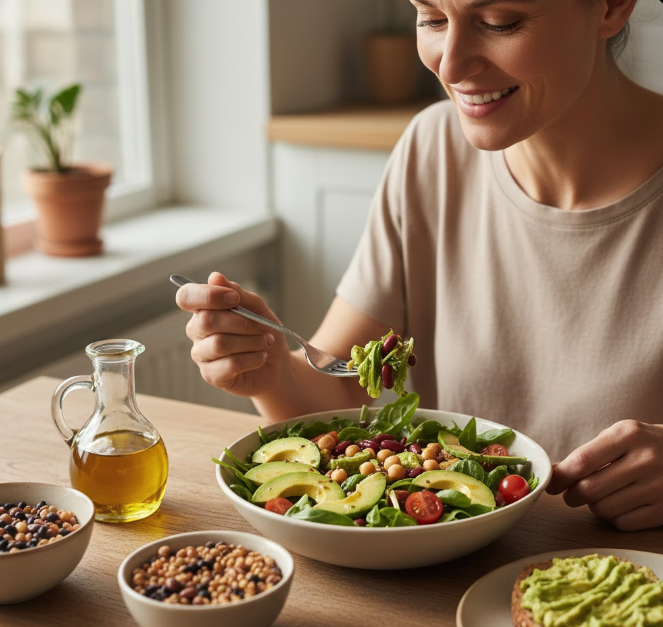
Avocados are a great source of monounsaturated fats, which help lower LDL cholesterol and raise HDL cholesterol. The healthy fats in avocados support heart health by reducing inflammation and promoting better blood circulation. Along with their healthy fats, avocados are also rich in fiber, antioxidants, and essential vitamins, making them a nutritious addition to any diet for high cholesterol.
Avocados are versatile and can be added to salads, smoothies, or used as a healthy topping for toast. Including them regularly in your diet can help balance cholesterol levels naturally.
Key Benefits:
- Monounsaturated fats lower LDL cholesterol and raise HDL cholesterol in a diet for high cholesterol.
- High in fiber, which helps regulate cholesterol and improve digestion.
- Rich in potassium and antioxidants, promoting heart health and protecting blood vessels.
Ways to Incorporate Avocados into Your Diet:
| Food Item | Health Benefits |
| Avocado Toast | Rich in healthy fats, boosts HDL cholesterol |
| Guacamole | A heart-healthy dip packed with fiber and healthy fats |
| Avocado Salad | Supports heart function, balances cholesterol levels |
6. Olive Oil (Rich in Monounsaturated Fats)
Olive oil is a cornerstone of the Mediterranean diet, known for its heart-healthy benefits. It is rich in monounsaturated fats, which help lower LDL cholesterol and raise HDL cholesterol. Olive oil also contains polyphenols and antioxidants that protect blood vessels from oxidative damage. Using olive oil in place of saturated fats like butter can significantly improve cholesterol levels and support overall heart health.
Key Benefits:
- Reduces LDL cholesterol and inflammation in a diet for high cholesterol.
- Boosts HDL cholesterol (good cholesterol).
- Protects blood vessels with antioxidants like polyphenols.
Ways to Use Olive Oil in Your Diet:
| Dish | Health Benefits |
| Salad Dressings | Lowers LDL cholesterol, boosts HDL |
| Sautéing Vegetables | Rich in healthy fats, supports heart health |
| Drizzling on Veggies | Reduces inflammation, protects blood vessels |
New Relevant Topic: The Role of Exercise in Lowering Cholesterol
While a diet for high cholesterol is essential for controlling cholesterol levels, physical activity also plays an important role. Regular exercise can help lower LDL cholesterol and raise HDL cholesterol, making exercise an essential complement to your diet for high cholesterol.

1. How Exercise Helps Lower Cholesterol
Exercise increases the activity of enzymes that help move LDL cholesterol to the liver for excretion. It also raises HDL cholesterol, which helps remove excess cholesterol from the bloodstream.
2. Recommended Exercise for Cholesterol Management
Aim for at least 150 minutes of moderate-intensity aerobic exercise each week. Activities like brisk walking, cycling, swimming, or dancing can significantly improve cholesterol levels and overall cardiovascular health.
Lifestyle Changes to Support a Diet for High Cholesterol
In addition to eating a heart-healthy diet for high cholesterol and incorporating exercise, other lifestyle changes can further help lower cholesterol:
- Get enough sleep: Poor sleep is linked to higher cholesterol levels. Aim for 7-9 hours of sleep each night.
- Manage stress: Chronic stress can elevate LDL cholesterol levels. Practice stress-reducing techniques such as yoga, meditation, or deep breathing.
Conclusion
A diet for high cholesterol is one of the most effective ways to lower LDL cholesterol, raise HDL cholesterol, and improve overall heart health. By incorporating foods like fatty fish, whole grains, nuts, legumes, avocados, and olive oil into your meals, you can manage cholesterol levels naturally and protect your heart. Combined with regular exercise, a healthy lifestyle, and better sleep habits, you can significantly reduce your risk of heart disease and stroke.
References
- Cholesterol: Top foods to improve your numbers — Expert recommendations on foods that improve cholesterol and protect heart health. Mayo Clinic: Cholesterol Top Foods to Improve Your Numbers
- 11 foods that lower cholesterol — Harvard Health overview of foods like beans, oats, whole grains, and vegetables linked with lower LDL cholesterol. Harvard Health: Foods That Lower Cholesterol
- Cooking to Lower Cholesterol — Practical tips from the American Heart Association for cooking and eating in ways that help manage cholesterol. American Heart Association: Cooking to Lower Cholesterol
- Heart-healthy diet: 8 steps to prevent heart disease — Mayo Clinic guidelines on heart‑healthy eating patterns that support cholesterol management. Mayo Clinic: Heart‑Healthy Diet Steps
- How to Lower Cholesterol with Diet — MedlinePlus overview of diet strategies to lower blood cholesterol and foods to limit or include. MedlinePlus: How to Lower Cholesterol with Diet