
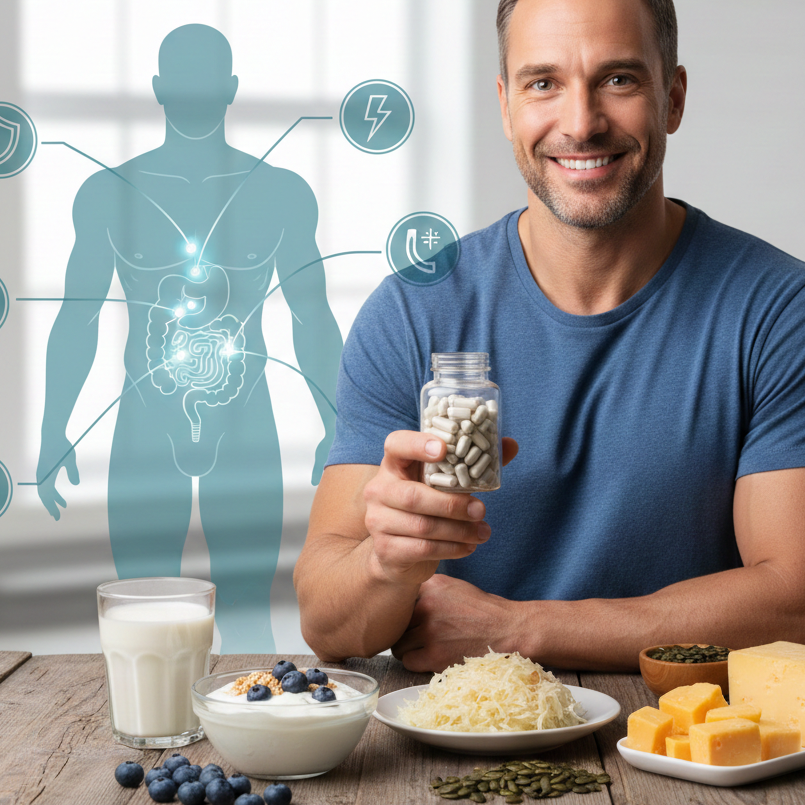
Meta Title: Probiotics Benefits for Men: Improve Digestion, Immunity, and Hormones
Meta Description: Discover probiotics benefits for men including better digestion, immunity, metabolism, energy, and hormonal balance. Learn which foods, supplements, and routines maximize results.
Top 5 Probiotics Benefits for Men: Enhance Digestion, Immunity, and Performance
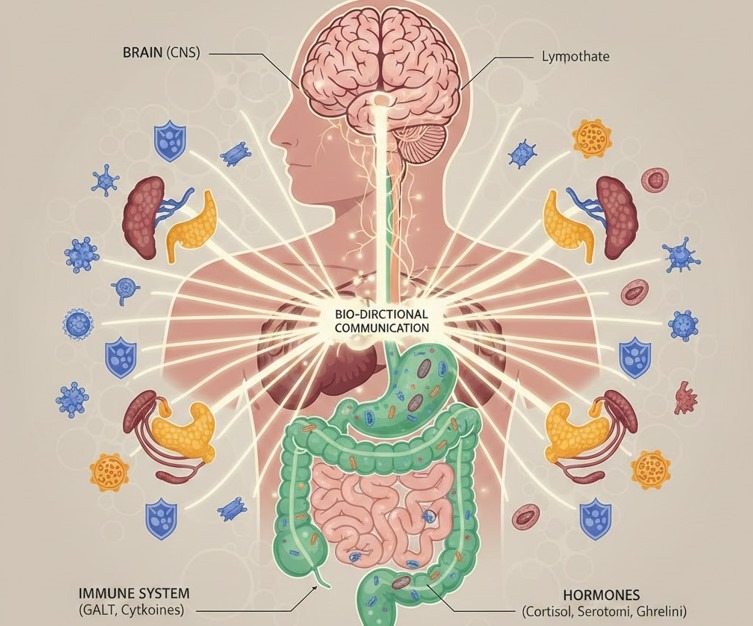
Gut health is the cornerstone of overall wellness for men, influencing digestion, energy, immunity, hormonal balance, mental clarity, and reproductive health. Probiotics benefits for men play a key role in restoring gut balance, which is often disrupted by modern lifestyle habits such as stress, irregular meals, low fiber intake, alcohol consumption, and highly processed foods. This disruption can lead to bloating, fatigue, and metabolic inefficiencies. Probiotics for men help restore balance in the gut, strengthen the intestinal lining, improve nutrient absorption, support immune function, and regulate healthy hormone signaling. Regular intake of probiotics for men whether from probiotic-rich foods or supplements combined with a balanced lifestyle, can enhance digestion, immunity, energy, and male-specific health outcomes.
Key Takeaways
- Probiotics benefits for men extend well beyond gut health, supporting digestion, immunity, and hormone balance.
- Regular consumption of probiotics for men reduces bloating, gas, constipation, and general digestive discomfort.
- Certain probiotic strains for men positively influence cortisol and testosterone pathways, enhancing energy, mood, and physical performance.
- Evidence links probiotics benefits for men to fertility markers such as sperm motility and morphology.
- Fermented foods provide probiotics for men and prebiotics that nourish gut microbes and support microbiome diversity.
- Results from probiotics for men vary based on diet, sleep, stress, and lifestyle, so consistent intake is key.
What Are Probiotics?
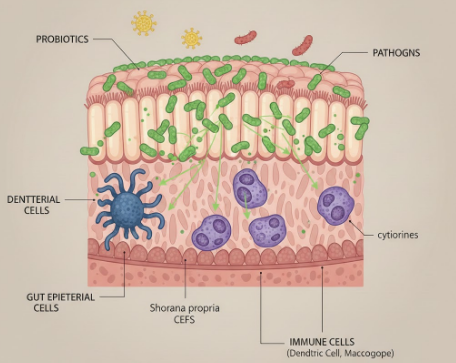
Probiotics for men are live microorganisms that support gut health and overall wellness. The key benefits of probiotics for men include:
- Strengthening the gut lining to prevent harmful molecules from entering the bloodstream.
- Producing beneficial metabolites, including short-chain fatty acids, that reduce inflammation and nourish intestinal cells.
- Competing with pathogenic bacteria, lowering infection risks and promoting a balanced microbiome.
- Supporting metabolism, energy regulation, and hormonal signaling, including the modulation of testosterone and cortisol levels.
Why Men Should Prioritize Probiotics
Men face unique challenges related to gut and hormonal health, often due to stress, diet patterns, alcohol intake, and low fiber consumption. For men looking to improve digestive health, immune function, and hormonal balance, incorporating probiotics benefits for men into their routine is essential.
The gut microbiome plays a vital role in:
- Digestive efficiency: Probiotics for men support enzymatic digestion, nutrient absorption, and bowel regularity.
- Immune competence: Around 70-80% of immune cells reside in the intestines. A healthy microbiome ensures the immune system can respond effectively.
- Hormonal balance: Probiotics for men help regulate cortisol, indirectly supporting testosterone levels and overall energy.
Evidence-Based Benefits of Probiotics for Men
While probiotics for men are well-known for enhancing gut health, their benefits extend to metabolism, immunity, and male reproductive health. Men often face lifestyle challenges like stress, alcohol consumption, and irregular eating habits that can benefit from specific probiotic strains. Let’s explore how probiotics for men work in various areas of health.
1. Superior Digestive Health and Comfort
The most well-established benefit of probiotics for men is their ability to support digestive health. By restoring the balance of beneficial bacteria, probiotics for men improve overall gut function. This is especially important for men who experience stress and irregular eating habits that disrupt digestion.
Key Digestive Benefits of Probiotics for Men:
| Benefit | Explanation |
| Reduced Bloating and Gas | Probiotics for men reduce bloating, flatulence, and abdominal discomfort, often worsened by stress or irregular meals. |
| Smooth Bowel Movements and Reduced Constipation | Probiotics for men promote regular bowel movements and improved gut motility. |
| Improved Nutrient Absorption | A healthy gut microbiome helps probiotics for men absorb key nutrients like magnesium, vitamin B12, and zinc. |
| Gut-Brain Axis Impact | The connection between the gut and brain is enhanced by probiotics for men, reducing gut discomfort caused by stress and anxiety. |
2. Enhanced Immune Support
A strong immune system is essential for men who experience high stress, frequent travel, or intense physical exertion. Since a significant portion of the immune system resides in the gut, probiotics for men are critical in maintaining a balanced microbiome, thereby enhancing immune function.
Immune Benefits of Probiotics for Men:
| Benefit | Explanation |
| Reduced Duration of Minor Respiratory Infections | Probiotics for men help shorten the severity and duration of colds and respiratory infections. |
| Lower Systemic Inflammation | Probiotics for men reduce systemic inflammation, lowering the risk of chronic conditions like cardiovascular disease and arthritis. |
| Resilience to Seasonal Illnesses | Probiotics for men help boost immunity during flu season or periods of high stress, ensuring optimal health. |
3. Metabolism and Weight Management Support
Probiotics for men are not a quick fix for weight loss, but they support metabolism and weight management in meaningful ways. By improving digestion and hormonal regulation, probiotics for men make it easier to stick to a healthy, high-fiber or high-protein diet.
Metabolic Benefits of Probiotics for Men:
| Benefit | Explanation |
| Improved Digestive Comfort for High-Fiber and High-Protein Diets | Probiotics for men enhance digestion and nutrient absorption, aiding in the ease of sticking to a high-fiber or high-protein diet. |
| Appetite Regulation and Energy Balance | Probiotics for men influence gut hormones to regulate appetite, ensuring balanced energy and satiety. |
| Indirect Assistance with Fat Metabolism | Combined with exercise, probiotics for men support fat metabolism and help maintain a lean body composition. |
4. Hormonal Balance and Stress Regulation
Probiotics may help regulate cortisol levels, which can have an indirect effect on testosterone. For men dealing with high stress, the hormonal benefits of probiotics for men are particularly valuable.
Hormonal Benefits of Probiotics for Men:
| Benefit | Explanation |
| Cortisol Regulation and Testosterone Support | Certain probiotic strains for men regulate cortisol levels, indirectly supporting testosterone levels and energy. |
| Enhanced Afternoon Energy, Mood, and Focus | Probiotics for men help support energy levels and mood, especially during the afternoon when many men experience a slump. |
| Recovery from Stress | Probiotics for men help the body recover from stress, improving mental resilience and mood stability. |
5. Male Fertility Support (Emerging Evidence)
Probiotics for men are showing promise in improving male fertility. Though research is still in early stages, studies suggest that probiotics for men can have a positive effect on sperm quality and reproductive health.
Fertility Benefits of Probiotics for Men:
| Benefit | Explanation |
| Improved Sperm Motility and Morphology | Research shows probiotics for men may enhance sperm motility and morphology, supporting fertility. |
| Reduced Oxidative Stress in Reproductive Tissues | Probiotics for men reduce oxidative stress, improving sperm health and reproductive function. |
| Support for Overall Hormonal Balance | By improving gut health, probiotics for men help balance hormones vital for fertility. |
Timeline of Probiotic Effects
All the Probiotics benefits for man can takes some times to observe full so keeping a journal of foods, supplements, and energy levels helps identify effective routines and strains.
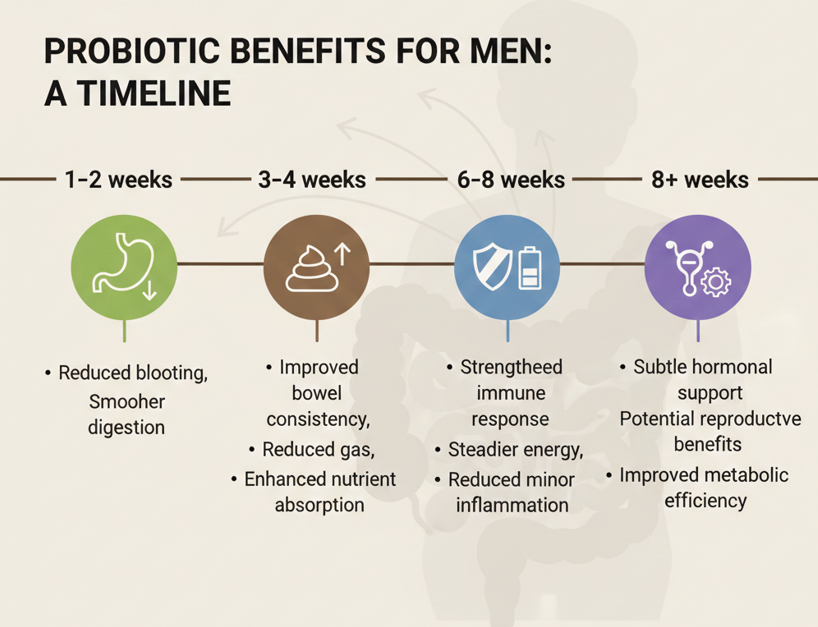
| Timeframe | Benefits Men May Notice |
| 1–2 weeks | Reduced bloating, smoother digestion |
| 3–4 weeks | Improved bowel consistency, reduced gas, enhanced nutrient absorption |
| 6–8 weeks | Strengthened immune response, steadier energy, reduced minor inflammation |
| 8+ weeks | Subtle hormonal support, potential reproductive benefits, improved metabolic efficiency |
Top Probiotic Foods for Men
Adding probiotic-rich foods to your daily diet is one of the most effective ways to naturally support gut health. These foods provide beneficial bacteria that improve digestion, boost immunity, enhance metabolism, and may even support hormonal and reproductive health in men.

| Probiotic Food | Key Strains / Notes |
| Yogurt with live cultures | Lactobacillus, Bifidobacterium – supports digestion and immunity |
| Kefir and fermented milk beverages | Multiple strains – improves gut microbiome diversity and nutrient absorption |
| Sauerkraut, kimchi, and fermented pickles | Lactobacillus plantarum, Leuconostoc – boosts immunity and provides fiber for microbes |
| Miso and tempeh | Fermented soy – supports gut bacteria and provides protein and micronutrients |
| Kombucha and other fermented drinks | Mixed cultures of bacteria and yeast – promotes microbial diversity and digestion |
Supplements and Safety Guidelines
When probiotics-rich foods aren’t enough, supplements can help fill the gaps. However, it’s crucial to choose high-quality products and start with small doses to avoid digestive discomfort.
- Choose high-quality products: Look for brands that clearly list probiotic strains and verified CFU (colony-forming unit) counts to ensure you’re getting effective bacteria.
- Start with small doses: Introduce probiotics gradually to minimize bloating, gas, or digestive discomfort as your gut adjusts.
- Consult a healthcare professional: If you are immunocompromised, taking medications, or have serious gut disorders, get medical advice before starting any probiotic supplement.
- Monitor your response: Stop use if you experience worsening digestive symptoms, allergic reactions, or unusual discomfort, and seek guidance from a qualified healthcare provider.
Common Mistakes That Limit Probiotic Benefits
Even the best probiotics can fail to deliver results if used incorrectly. Being aware of common mistakes helps you maximize benefits and avoid frustration while supporting gut health effectively.All the Probiotics benefits for men can be gained only if you consider these things.
- Skipping daily intake: Inconsistent use prevents probiotics from establishing a healthy balance in the gut, reducing their effectiveness over time.
- Neglecting prebiotics, hydration, sleep, and exercise: Probiotics thrive when paired with fiber-rich foods, adequate water, quality sleep, and regular physical activity. Ignoring these factors limits their impact.
- Choosing low-quality or unspecified strains: Not all probiotics are created equal. Products without clear labeling, verified CFU counts, or scientifically studied strains may deliver little to no benefit.
- Expecting immediate or dramatic results: Probiotics support gradual improvements. Visible effects on digestion, immunity, or metabolism may take several weeks, so patience and consistency are essential.
Who Benefits Most from Probiotics
Probiotics are not one-size-fits-all, but certain groups of men are more likely to notice meaningful benefits. Understanding who can gain the most helps you target your probiotic choices for maximum digestive, immune, metabolic, and reproductive support.
- Men with digestive issues: Those experiencing occasional bloating, gas, or irregular bowel movements can see noticeable improvements in comfort and gut regularity.
- Men seeking immune support: Probiotics help strengthen gut-associated immunity, making it easier for the body to respond to minor infections and reduce inflammation.
- Men focused on metabolism and weight management: Certain strains can influence calorie processing, appetite regulation, and energy balance, supporting gradual and sustainable weight control.
- Men interested in fertility or hormone health: Probiotics may support testosterone regulation, reduce stress-related hormone imbalances, and improve reproductive health markers such as sperm quality.
- Men incorporating fiber-rich, fermented foods: Anyone who regularly eats vegetables, legumes, and fermented foods can maximize the growth of beneficial gut bacteria, enhancing overall digestive and metabolic wellness.
Frequently Asked Questions
- Can probiotics replace a healthy diet?
Probiotics help maintain a healthy gut microbiome but cannot replace a nutrient-rich diet. They work best when combined with whole foods, fiber, and balanced meals for optimal digestive and overall health. - Are probiotic foods better than supplements?
Fermented foods provide live cultures and essential nutrients, while supplements ensure consistent intake and targeted strains. Combining both can create a more resilient gut microbiome. - Do probiotics help with weight loss?
Certain probiotic strains influence metabolism, fat storage, and appetite regulation. They can support gradual weight management when paired with a healthy diet and regular exercise. - Can probiotics improve testosterone levels?
Probiotics may indirectly support testosterone by reducing stress and inflammation, improving energy, mood, and recovery, but they are not a replacement for lifestyle or medical interventions. - Are there side effects of taking probiotics?
Mild gas, bloating, or digestive changes are common at first as the gut adjusts. Symptoms usually resolve within a week, especially when starting with small doses. - How often should I take probiotics?
Daily consumption is recommended for consistent gut support. Incorporating probiotics into meals helps maximize absorption and ensures long-term benefits. - Can probiotics improve mental clarity and mood?
Healthy gut bacteria influence the gut-brain axis, which may enhance focus, reduce stress, and improve overall mood alongside proper diet and lifestyle habits.
Final Thoughts
To maximize probiotics benefits for men, it’s essential to combine consistent intake with a healthy diet, quality sleep, and regular exercise. Starting with probiotic-rich foods, tracking your progress, and maintaining a consistent routine can improve digestion, immunity, energy, and male-specific health outcomes.
Disclaimer
This article is intended for informational purposes only and is not medical advice. Please consult with a healthcare provider before starting any supplementation, especially if you have existing health conditions or are taking prescription medications.
References
- 1.Cresci, G. (n.d.). Prebiotics: What They Are and Why They Matter. Cleveland Clinic Health Essentials.Available at https://health.clevelandclinic.org/what-are-prebiotics
- 2. Mayo Clinic – Probiotics and Prebiotics: What You Should Know
Mayo Clinic Staff. (Updated April 25, 2025). Probiotics and Prebiotics: What You Should Know. Mayo Clinic.Available at https://www.mayoclinic.org/healthy-lifestyle/consumer-health/expert-answers/probiotics/faq-20058065 - 3. Mayo Clinic News Network – What Are Prebiotics and Probiotics?
Harguth, A. (n.d.). Mayo Clinic Q&A: What Are Prebiotics and Probiotics?Mayo Clinic Health System. Available at https://newsnetwork.mayoclinic.org/discussion/mayo-clinic-qa-what-are-prebiotics-and-probiotics/ - 4. Stanford Medicine – Fermented Foods Increase Microbiome Diversity
Wastyk, H.C., Fragiadakis, G.K., Sonnenburg, J., Gardner, C., et al. (2021). Fermented-Food Diet Increases Microbiome Diversity, Decreases Inflammation.Stanford School of Medicine.Available at https://med.stanford.edu/news/all-news/2021/07/fermented-food-diet-increases-microbiome-diversity-lowers-inflammation.html - 5.Guess, N.D., Dornhorst, A., Oliver, N., Bell, J.D., Thomas, E.L., & Frost, G.S. (2015). A Randomized Controlled Trial: The Effect of Inulin on Weight Management and Ectopic Fat in Subjects with Prediabetes. Nutrition & Metabolism,Available at https://pubmed.ncbi.nlm.nih.gov/26500686/