The Complete Guide to Hawthorn Berry: Benefits, Uses, and Scientific Evidence
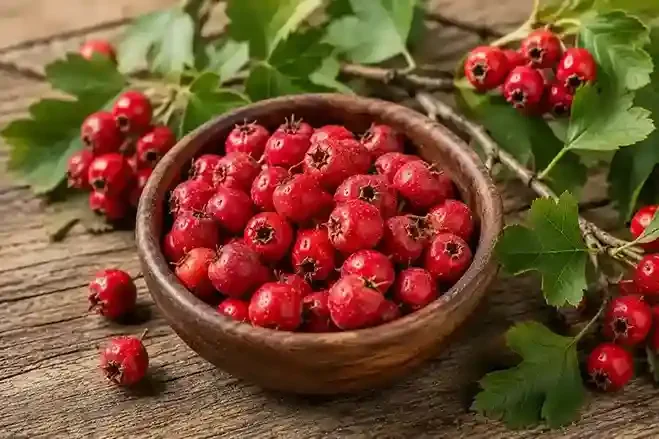
Hawthorn berry is a traditional cardiovascular herb derived from the fruit, leaves, and flowers of Crataegus species. It has gained popularity in wellness circles for its historical use in supporting heart health, circulation, and blood pressure balance. This ingredient is native to temperate regions across Europe, Asia, and North America, where the berries have long been used in teas, tonics, and culinary preparations. People commonly include hawthorn berry in their daily routines to support cardiovascular function, healthy blood flow, and overall vitality. Understanding its traditional uses and current research is crucial for making informed health decisions. This comprehensive guide explores the science behind hawthorn berry, its potential benefits, safety considerations, and proper usage to help you determine if it aligns with your nutritional goals and lifestyle. By prioritizing evidence-based information and using supplements judiciously, individuals can effectively support their overall wellness.
What is Hawthorn Berry?
Scientifically known as Crataegus spp., hawthorn berry is recognized for its small red fruits and thorny branches. It has been utilized for centuries in European and Traditional Chinese Medicine to promote heart health, support digestion, and enhance circulation. The plant produces clusters of berry-like fruits that are harvested in late summer and dried for use. Modern supplement use primarily features capsules, tablets, or liquid extracts made from standardized berry, leaf, and flower extracts. These formulations are carefully designed to deliver consistent amounts of flavonoids and proanthocyanidins. This allows individuals to experience the potential wellness benefits of the herb without needing to prepare traditional teas on a daily basis, making it a highly accessible dietary option.
How Does Hawthorn Berry Work?
Inside the human body, hawthorn is believed to function primarily through its flavonoid and proanthocyanidin compounds. Traditional use suggests the herb may influence heart muscle contraction, blood vessel relaxation, and antioxidant defenses. Research indicates certain compounds in hawthorn may act as free radical scavengers, protecting cardiovascular tissues from oxidative damage. Absorption of these compounds occurs in the gastrointestinal tract, with peak levels reached within a few hours. Once absorbed, the active molecules are thought to interact with pathways involved in vascular function, heart muscle strength, and blood pressure regulation. The herb also contains fiber and organic acids that may support digestive health and metabolic balance. Metabolism and excretion occur through the liver and kidneys. This biological activity provides a basis for its traditional use in promoting cardiovascular and digestive wellness.
Potential Health Benefits of Hawthorn Berry
Research and traditional use explore how this botanical may contribute to cardiovascular and overall wellness. Below are six specific areas where it may offer supportive benefits.
Supports Healthy Cardiovascular Function
Traditional use suggests hawthorn may help support healthy cardiovascular function by acting as a heart tonic. People commonly take it to assist in maintaining normal heart muscle strength and circulation. Current evidence from clinical studies indicates possible benefits for individuals with mild heart function concerns, though results are mixed. Preliminary findings show it may be particularly popular among older adults seeking natural support for heart health alongside a balanced lifestyle.
Promotes Healthy Blood Pressure
This ingredient is traditionally used for its potential role in supporting blood pressure balance. It is commonly believed to help maintain normal blood pressure levels already within the healthy range. By providing beneficial flavonoids and proanthocyanidins, it may support vascular relaxation and healthy blood vessel function. This biological process is thought to be important for overall cardiovascular wellness and long-term heart health.
Assists in Healthy Cholesterol Levels
Many individuals use hawthorn to support healthy cholesterol levels alongside a balanced diet and regular activity. Traditional use suggests it may help maintain normal LDL and HDL cholesterol ratios. Some clinical studies indicate it can assist in promoting healthy lipid profiles in individuals with mild concerns. However, results vary significantly among different individuals and require consistent lifestyle habits for optimal outcomes.
Supports Healthy Digestive Function
Preliminary research indicates hawthorn may support healthy digestion by influencing gut motility and enzyme activity. Some traditional use suggests its fiber and organic acids help maintain regular bowel movements. This effect is likely tied to its historical use as a digestive aid in European and Chinese medicine. Individuals often consume it to support overall gut wellness and maintain healthy digestion after meals.
May Help Manage Occasional Stress
This botanical has been traditionally used for its potential to help manage occasional stress and anxiety. Historical accounts suggest it contains compounds that may support nervous system calmness. By supporting balanced physiological function, it may reduce the cumulative burden of mental and emotional tension. This makes it a popular choice for those seeking comprehensive cardiovascular and emotional wellness in their daily routine.
Supports Overall Antioxidant Defense
Because it may influence antioxidant pathways and vascular health, hawthorn plays a role in overall cellular protection. Traditional use positions it as a general rejuvenator for heart and blood vessels. By supporting fundamental wellness processes, it helps ensure individuals maintain adequate cardiovascular vigor for daily activities. This mechanism is commonly utilized by people looking to sustain optimal heart health and circulation.
Natural Food Sources
Hawthorn berry occurs naturally as a small red fruit harvested from thorny shrubs and trees. It is most commonly found in fresh, dried, or powdered form for teas and culinary uses. The berries are also available in capsules, tablets, or liquid extracts for convenient supplementation. Consuming it in traditional preparations or supplemental form is the most practical way to obtain its natural compounds.
Why Is It Included in Dietary Supplements?
Hawthorn berry is frequently included in cardiovascular and blood pressure support supplement categories. It is often paired with ingredients like garlic, CoQ10, or magnesium to enhance overall heart health formulations. The primary purpose of adding it is to provide a concentrated dose of its traditional compounds for individuals who may not have access to the raw berries. These typical formulations utilize standardized berry, leaf, and flower extracts to ensure consistent potency. This strategic formulation helps maximize convenience while minimizing preparation time for users.
Safety and Possible Side Effects
Hawthorn berry is generally considered safe for most adults when consumed in moderate amounts. Common mild side effects may include occasional digestive discomfort, dizziness, or headache, particularly when taken in high doses. Higher doses should be approached with caution, as excessive intake could potentially lead to lowered blood pressure or heart palpitations. Individuals with preexisting health conditions should use particular caution when introducing this supplement. It is always advisable to start with the lowest effective dose to ensure optimal tolerance. Consulting a healthcare provider before initiating regular use is strongly advised to mitigate any potential adverse reactions.
Precautions and Possible Interactions
This ingredient may interact with several prescription medications, particularly blood pressure drugs, heart medications, or blood thinners, as it may enhance their effects or alter heart rhythm. Pregnant and breastfeeding women should avoid hawthorn supplements, as safety data in these populations are lacking. Patients scheduled for surgery should discontinue use at least two weeks beforehand to prevent potential blood pressure or bleeding complications. Anyone with existing medical conditions, particularly heart disease, low blood pressure, or bleeding disorders, must consult a qualified healthcare professional before starting any new supplement regimen to ensure safety.
Current Scientific Research
Research on hawthorn berry yields promising but mixed results regarding cardiovascular support. The evidence points toward traditional benefits for heart function and blood pressure, while effects on cholesterol and digestion remain less studied.
Human Studies
Several clinical trials suggest hawthorn may improve exercise capacity and reduce symptoms in individuals with mild heart function concerns. Some studies also indicate modest blood pressure-lowering effects, though results are not consistent across all trials.
Animal Studies
Laboratory and animal studies suggest hawthorn extracts may support heart muscle strength, reduce oxidative stress, and improve blood flow in rodent models. These studies support some traditional claims but cannot confirm efficacy in humans.
Overall Evidence
The overall strength of current evidence suggests this ingredient may support cardiovascular function and blood pressure in individuals with mild concerns, but does not reliably affect cholesterol or prevent heart disease. More large-scale human trials are needed to confirm its efficacy and optimal dosing strategies. Researchers are actively investigating the specific compounds involved to better understand its potential.
Frequently Asked Questions
What is hawthorn berry used for?
It is primarily used to support healthy cardiovascular function, blood pressure, and circulation. Many people also take it to assist with digestion and overall heart wellness alongside a balanced lifestyle.
Is it safe?
It is generally considered safe for most adults when used in moderate amounts. Mild side effects are possible, and individuals should consult a healthcare provider before use, especially if taking medications.
Can it be taken every day?
Yes, it can be taken daily as part of a regular supplement routine. Consistency is key for maintaining support. However, it is best to follow the specific dosage guidance provided by your healthcare professional.
What foods contain it?
It is found as small red berries from hawthorn trees, used in teas, jams, and traditional preparations. These botanicals are used in herbal medicine rather than everyday cuisine.
Can it be combined with other supplements?
It is frequently combined with other cardiovascular support supplements like garlic, CoQ10, and magnesium. These ingredients are often used together traditionally. Always check with a healthcare provider to ensure your specific combination is appropriate.