The Complete Guide to Pea Starch: Benefits, Uses, and Scientific Evidence
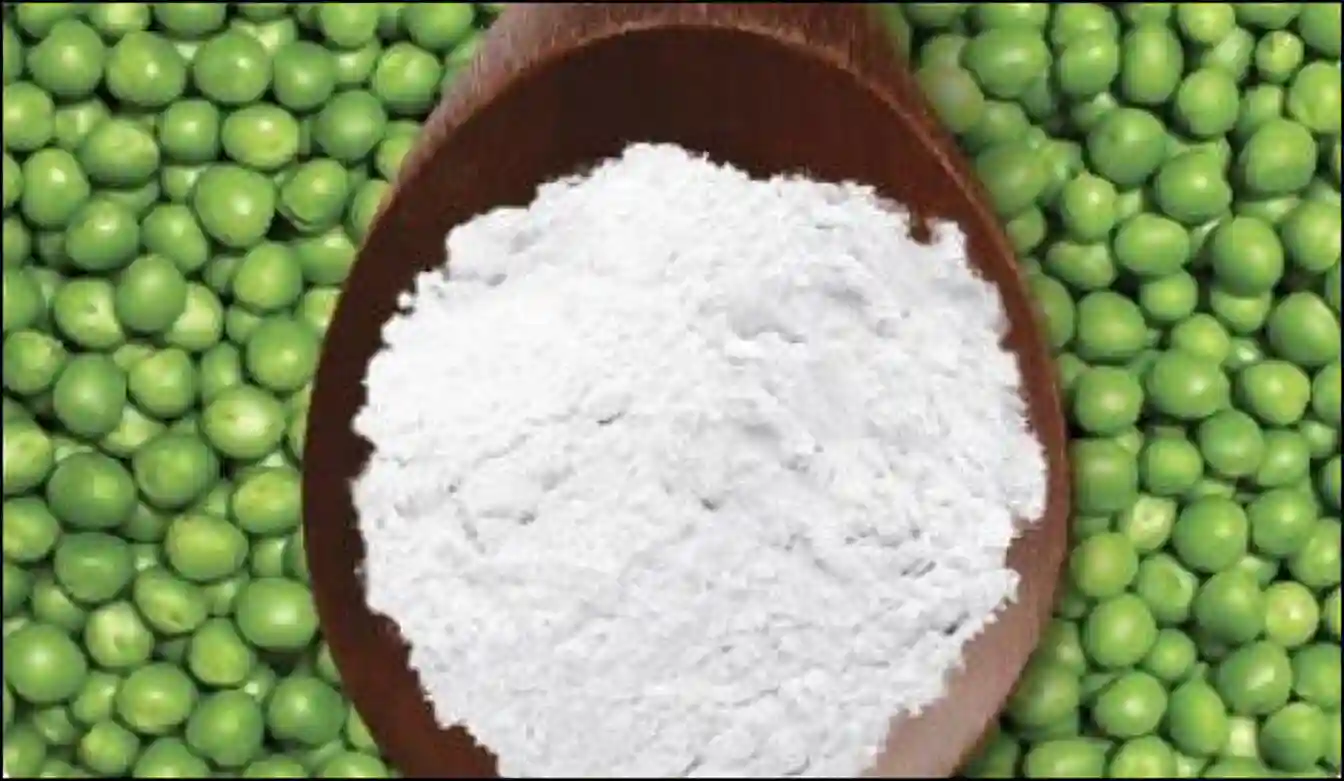
Pea starch is a naturally occurring functional carbohydrate derived from yellow peas that has gained attention in food technology and metabolic health circles. It is classified as a plant-based starch, meaning it provides energy and structure in food formulations. This unique ingredient is typically derived from yellow field peas through wet fractionation processes. People commonly include pea starch in food formulations or supplements to help improve texture, support gluten-free products, and moderate post-meal blood sugar responses. Understanding its biological functions and evidence-based applications is crucial for making informed health decisions. This comprehensive guide explores the science behind pea starch, its potential benefits, safety considerations, and proper usage to help you determine if it aligns with your nutritional goals and lifestyle. By pairing it with a balanced diet and active lifestyle, individuals can more effectively support overall metabolic health.
What is Pea Starch?
Scientifically classified as a plant-derived starch, pea starch is a carbohydrate recognized for its role in food texture and glycemic modulation. It has been studied since the early 2000s for its potential to support gluten-free formulations and blunt postprandial glucose spikes. The starch is found in yellow field peas, though usually bound within the whole seed rather than as an isolated powder. Modern supplement use primarily features purified pea starch in powder or capsule form, typically dosed at 5 to 15 grams alongside meals. These formulations are carefully designed to deliver consistent amounts of active compounds. This allows individuals to experience the potential metabolic benefits of the starch without needing to consume large quantities of whole peas on a daily basis, making it a highly accessible dietary option.
How Does Pea Starch Work?
Inside the human body, pea starch functions primarily through its ability to modulate starch digestion. It contains a portion of resistant starch that resists enzymatic breakdown in the small intestine, resulting in slower glucose absorption. Research suggests this resistance delays carbohydrate hydrolysis, resulting in reduced postprandial blood sugar spikes. Absorption of pea starch itself is partial, with a significant portion passing through the small intestine unabsorbed. Once it reaches the large intestine, unabsorbed pea starch may serve as a fermentable substrate for gut bacteria, potentially supporting a healthy microbiome. The starch also appears to modulate gut-derived short-chain fatty acid production and gene expression related to lipid metabolism in metabolic tissues. Metabolism and excretion occur primarily through the kidneys and feces. This complex biological mechanism supports overall metabolic homeostasis and provides a scientific basis for its traditional use in promoting systemic wellness.
Potential Health Benefits of Pea Starch
Research consistently explores how this functional starch contributes to metabolic regulation and overall wellness. Below are six specific areas where it may offer supportive benefits.
Supports Healthy Post-Meal Blood Sugar
Research suggests pea starch may help support healthy post-meal blood sugar by slowing carbohydrate digestion. People commonly take it alongside starchy foods to assist in maintaining normal glucose levels already within the healthy range. Current evidence indicates its resistant starch fraction may inhibit rapid enzymatic breakdown to facilitate this process effectively. Preliminary findings show it may be particularly beneficial for individuals seeking comprehensive metabolic support alongside a balanced diet and regular exercise routine.
Promotes Healthy Insulin Response
This ingredient is widely studied for its role in attenuating postprandial insulin spikes within the body. It is commonly used to support the body’s natural insulin sensitivity against daily dietary challenges. By providing beneficial resistant starch, it helps maintain normal insulin secretion patterns after carbohydrate intake. This biological process is essential for maintaining overall metabolic integrity and supporting long-term cellular wellness throughout the entire human body.
Assists in Healthy Weight Management
Many individuals use pea starch to support healthy weight management alongside a balanced diet and regular exercise. Research suggests it may help maintain normal body composition by reducing effective calorie absorption from starch. Some studies indicate it can assist in promoting healthy fat metabolism and reducing visceral fat accumulation. However, results vary significantly among different individuals and require consistent lifestyle habits for optimal outcomes.
Supports Healthy Gut Microbiome
Preliminary evidence indicates pea starch may support healthy gut function by modulating gut microbiota. Some research suggests its fermentable properties help maintain a balanced gastrointestinal environment. This effect is likely tied to its traditional use as a prebiotic-like substrate. Individuals often consume it to support overall gut wellness and maintain a healthy digestive tract.
May Help Manage Occasional Digestive Discomfort
This starch has been studied for its potential to help manage occasional digestive issues within the body. Research suggests it contains specific compounds that may modulate gut function effectively. By supporting a balanced digestive response, it may reduce the cumulative burden of daily dietary stressors. This makes it a popular choice for those seeking comprehensive metabolic and gut support in their daily routine.
Supports Overall Metabolic Wellness
Because it may influence glucose absorption and gut microbiota, pea starch plays an indirect role in overall metabolic support. Glucose regulation is required for cells to maintain normal energy metabolism throughout the day. By supporting this fundamental metabolic process, it helps ensure tissues receive adequate fuel for optimal function. This mechanism is commonly utilized by individuals looking to maintain optimal metabolic health during daily activities.
Natural Food Sources
Pea starch occurs naturally in various plant materials. It is most commonly found in yellow field peas and pea-based products. The starch is also present in pea protein isolates, pea fiber, and legume-based foods. Consuming it in supplemental form is the most practical way to obtain standardized doses for metabolic support.
Why Is It Included in Dietary Supplements?
Pea starch is frequently included in blood sugar support and metabolic health supplement categories. It is often paired with synergistic ingredients like fibers, prebiotics, or protein to enhance overall metabolic formulations. The primary purpose of adding it is to provide a concentrated dose of its active compounds for individuals who may not obtain sufficient amounts from diet alone. These typical formulations utilize purified pea starch in powder or capsule form to ensure consistent potency and reliable bioavailability for the user. This strategic formulation helps maximize absorption while minimizing potential gastrointestinal discomfort for sensitive individuals.
Safety and Possible Side Effects
Pea starch is generally considered safe for most adults when consumed at recommended supplemental dosages. Common mild side effects may include occasional digestive discomfort, bloating, or gas, particularly when taken in high doses. Higher doses should be approached with caution, as excessive intake could potentially lead to more severe gastrointestinal distress or osmotic diarrhea. Individuals with preexisting health conditions should use particular caution when introducing this supplement. It is always advisable to start with the lowest effective dose to ensure optimal tolerance. Consulting a healthcare provider before initiating high-dose regimens is strongly advised to mitigate any potential adverse reactions.
Precautions and Possible Interactions
This ingredient may interact with several prescription medications, particularly diabetes drugs, as it can enhance blood sugar-lowering effects and increase the risk of hypoglycemia. It might also interact with medications metabolized by the gut microbiota, potentially altering their clinical efficacy. Pregnant and breastfeeding women should avoid pea starch supplements, as safety data in these populations are lacking. Patients scheduled for surgery should discontinue use at least two weeks beforehand to prevent blood sugar fluctuations. Anyone with existing medical conditions must consult a qualified healthcare professional before starting any new supplement regimen to ensure safety.
Current Scientific Research
Clinical research on pea starch yields promising results regarding metabolic support. The evidence strongly points toward benefits for those with suboptimal glucose metabolism, while effects in healthy populations remain less pronounced.
Human Studies
Several human trials demonstrate that consumption of pea starch can slow carbohydrate digestion, resulting in slower glucose absorption without causing adverse effects. Studies show significant reductions in postprandial glucose and insulin peaks compared to rapidly digestible starches. However, long-term effects on body weight or diabetes prevention remain to be established.
Animal Studies
Laboratory and animal studies consistently show that pea starch supplementation improves insulin sensitivity, reduces body weight gain, and modulates gut microbiota in obese or diabetic rodent models. These studies support the biological mechanisms observed in human research.
Overall Evidence
The overall strength of current evidence suggests this ingredient is beneficial primarily for those seeking postprandial glucose and insulin support. More large-scale human trials are needed to confirm its long-term efficacy and optimal dosing strategies. Researchers are actively investigating the specific molecular pathways involved to better understand its full therapeutic potential.
Frequently Asked Questions
What is pea starch used for?
It is primarily used to support healthy post-meal blood sugar and insulin responses. Many people also take it to assist with weight management and support overall metabolic wellness alongside a balanced diet and regular exercise routine.
Is it safe?
It is generally safe for most adults when consumed at recommended dosages. Mild digestive side effects are possible, and individuals should consult a healthcare provider before use, especially if taking medications.
Can it be taken every day?
Yes, it can be taken daily as part of a regular supplement routine. Consistency is key for maintaining stable metabolic support. However, it is best to follow the specific dosage guidance provided by your healthcare professional.
What foods contain it?
It is naturally found in yellow field peas and pea-based products. It is also present in pea protein isolates, pea fiber, and legume-based foods.
Can it be combined with other supplements?
It is frequently and safely combined with other metabolic supplements like fibers, prebiotics, and blood sugar support ingredients. These ingredients often work synergistically. Always check with a healthcare provider to ensure your specific combination is appropriate.