Fenugreek: Benefits, Uses, and Scientific Evidence
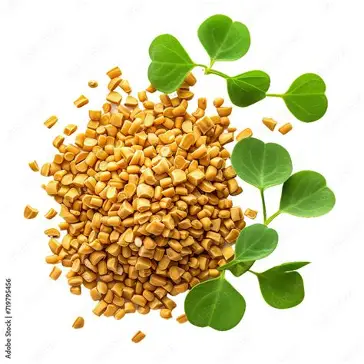
Fenugreek is a naturally occurring herb scientifically known as Trigonella foenum-graecum that has gained significant attention in traditional medicine and modern nutritional research. It is cultivated for its aromatic seeds and leaves, which are commonly used in South Asian, Middle Eastern, and Mediterranean cuisine. Fenugreek has been used traditionally for digestive wellness, women’s health, and metabolic support. Modern research has focused particularly on its potential effects on blood sugar, cholesterol, and other metabolic markers. People commonly include fenugreek in dietary supplements because its seeds contain soluble fiber, saponins, flavonoids, and other bioactive compounds. Understanding its biological functions and evidence-based applications is important for making informed health decisions. This comprehensive guide explores fenugreek’s potential benefits, natural sources, safety considerations, and current scientific evidence.
What is Fenugreek?
Scientifically classified as a plant-derived legume, fenugreek is an annual herb belonging to the Fabaceae family. Its scientific name is Trigonella foenum-graecum, and the plant is believed to have originated around the Mediterranean, southern Europe, and western Asia. The small, yellowish-brown seeds are particularly valued for their distinctive aroma and slightly bitter flavor.
Fenugreek has been used for thousands of years in traditional medicine systems. The seeds and leaves have historically been used for digestive complaints, menstrual discomfort, and lactation support. Modern dietary supplements primarily contain fenugreek seed powder or concentrated extracts. These preparations can provide higher amounts of specific compounds than ordinary culinary servings, making fenugreek a convenient source of its naturally occurring constituents.
How Does Fenugreek Work?
Inside the human body, fenugreek provides several bioactive compounds that may influence carbohydrate and lipid metabolism. One of its major components is galactomannan, a soluble fiber that can slow carbohydrate digestion and absorption. This property may help moderate the rate at which glucose enters the bloodstream following a meal.
Fenugreek also contains 4-hydroxyisoleucine, trigonelline, flavonoids, and steroidal saponins such as diosgenin. Research suggests these compounds may influence pathways involved in insulin secretion, glucose utilization, lipid metabolism, and oxidative processes. The seed’s fiber content can also contribute to digestive function and feelings of fullness. However, absorption and biological activity vary according to the preparation, extraction method, dose, and concentration of active compounds. Laboratory findings provide useful mechanistic information, but they do not automatically demonstrate equivalent benefits in humans.
Potential Health Benefits of Fenugreek
Research continues to explore how this botanical contributes to metabolic regulation and overall nutritional wellness. Below are six specific areas where fenugreek may offer supportive benefits.
Supports Healthy Blood Sugar Levels
Research suggests fenugreek may help support healthy blood sugar levels by influencing glucose metabolism. Its soluble fiber may slow carbohydrate absorption, while other compounds have been investigated for their effects on insulin secretion and glucose utilization. A recent meta-analysis of randomized controlled trials reported improvements in fasting glucose, post-meal glucose, HbA1c, and insulin. However, results varied between studies, and additional high-quality research is needed.
Promotes Healthy Lipid Metabolism
Fenugreek has been studied for its potential role in healthy cholesterol levels and other lipid markers. Its soluble fiber and steroidal saponins may influence the body’s handling of dietary fats and cholesterol. Clinical research has reported reductions in total and LDL cholesterol in some studies. However, effects have not been consistent across all lipid measurements, and differences in preparations and study designs make it difficult to determine how reliably these findings apply to all fenugreek supplements.
Assists in Healthy Weight Management
Many individuals use fenugreek to support healthy weight management alongside balanced nutrition and regular physical activity. Its soluble fiber may contribute to feelings of fullness, while its effects on carbohydrate and lipid metabolism have prompted interest in body composition. Some clinical studies have reported improvements in BMI or related metabolic markers, but results remain inconsistent. Fenugreek should therefore be viewed as a potential nutritional support rather than a standalone approach to managing body weight.
Supports Healthy Digestive Function
Fenugreek seeds contain substantial amounts of soluble fiber that can support normal digestive function. The fiber can absorb water and contribute to normal intestinal movement and stool consistency. Fenugreek has also been traditionally consumed for occasional digestive complaints. However, modern clinical evidence specifically evaluating fenugreek for digestive health remains limited. People generally obtain its fiber through culinary use of the seeds or leaves, while concentrated supplements provide substantially larger amounts of the plant’s active constituents.
May Help Manage Occasional Inflammation
Fenugreek contains flavonoids, saponins, and other phytochemicals that have demonstrated biological activity in laboratory and animal research. These compounds have been investigated for their potential effects on oxidative and inflammatory pathways. Such findings provide a basis for continued scientific investigation into fenugreek’s broader biological properties. However, experimental evidence does not establish that supplementation can reduce inflammation in humans. Current evidence is therefore preliminary, and more clinical research is necessary before meaningful conclusions can be drawn about this potential application.
Supports Overall Cellular Energy Production
Fenugreek may indirectly support normal cellular energy metabolism through its influence on carbohydrate and glucose handling. Glucose provides an important source of energy for many tissues, and fenugreek compounds have been investigated for their effects on pathways involved in glucose utilization. This may explain its inclusion in some metabolic and sports-nutrition formulations. Nevertheless, current human evidence does not establish that fenugreek directly increases energy levels or reduces fatigue in healthy adults.
Natural Food Sources
Fenugreek does not occur as an isolated compound in ordinary foods but is naturally consumed as a herb, spice, and vegetable ingredient. The seeds are the most concentrated culinary source, while the leaves are also widely used in traditional cooking. Its distinctive aroma and slightly bitter flavor make it particularly common in South Asian and Middle Eastern dishes.
Common sources include:
- Whole fenugreek seeds used as a spice
- Ground fenugreek seeds in curry and spice blends
- Fresh fenugreek leaves
- Dried fenugreek leaves
- Sprouted fenugreek seeds
- Traditional foods and beverages prepared with fenugreek
Culinary quantities are generally much smaller than the concentrated amounts supplied by dietary supplements.
Why Is It Included in Dietary Supplements?
Fenugreek is frequently included in metabolic health supplements, blood sugar support formulas, sports nutrition products, and women’s wellness formulations. Manufacturers may use whole seed powder or concentrated extracts designed to provide different amounts of fiber, saponins, and other naturally occurring compounds.
It is also commonly paired with ingredients such as cinnamon, chromium, bitter melon, or other botanical extracts. These combinations are generally intended to provide complementary nutritional support. However, combining several ingredients does not automatically demonstrate greater effectiveness. Extract standardization, dosage, ingredient quality, and evidence supporting the complete formulation remain important factors when evaluating a supplement.
Safety and Possible Side Effects
Fenugreek is generally considered safe for most adults when consumed in quantities commonly found in food. Larger supplemental amounts may cause digestive discomfort, diarrhea, nausea, bloating, or abdominal cramping. Allergic reactions are also possible, particularly in people sensitive to related plants.
Higher amounts may also influence blood glucose, which can be important for individuals taking glucose-lowering medications. Fenugreek safety information from NCCIH recommends caution with concentrated use, particularly when medication or existing health conditions are involved. There is no single universally established dosage that applies to every fenugreek supplement because preparations and intended uses differ.
Fenugreek should not be consumed in medicinal amounts during pregnancy. Larger supplemental amounts have been associated with potential safety concerns, while information about high-dose use during breastfeeding remains limited.
Precautions and Possible Interactions
Fenugreek may interact with certain prescription medications, particularly medicines that lower blood glucose. Taking both may potentially produce an additive glucose-lowering effect. People using diabetes medications should therefore consult a qualified healthcare professional before beginning a concentrated fenugreek supplement.
Caution may also be appropriate for people taking medicines that affect blood clotting. Individuals with diabetes, bleeding disorders, or other existing medical conditions should obtain individualized advice before supplementation.
Pregnant women should avoid fenugreek in amounts greater than those normally consumed as food because of potential safety concerns. People who are breastfeeding should discuss supplemental use with a healthcare professional because evidence regarding larger amounts remains limited. Anyone preparing for surgery should disclose all supplement use to their medical team.
Current Scientific Research
Human Studies
Clinical research on fenugreek has focused primarily on blood glucose and lipid metabolism. A recent meta-analysis of randomized controlled trials found improvements in fasting glucose, post-meal glucose, HbA1c, and insulin, although the researchers noted substantial differences among the included studies.
Other systematic reviews have reported potentially favorable changes in total cholesterol, LDL cholesterol, triglycerides, and HDL cholesterol. However, not every outcome improves consistently across trials. Differences in fenugreek preparations, dosages, treatment periods, participant characteristics, and study quality make direct comparisons difficult.
Research has also examined exercise performance. A systematic review identified six randomized controlled trials investigating strength, muscular endurance, body composition, and related outcomes. Some studies reported favorable changes, but the relatively small evidence base limits the strength of the conclusions.
Animal Studies
Laboratory and animal studies have investigated fenugreek compounds in relation to glucose metabolism, insulin signaling, lipid metabolism, oxidative stress, and other biological pathways. These studies help researchers understand how individual constituents may interact with biological systems and identify potential mechanisms for further investigation.
However, animal findings cannot automatically be considered equivalent to human outcomes. Differences in metabolism, dosage, extract concentration, and biological response mean promising laboratory findings must be confirmed through appropriately designed human clinical trials.
Overall Evidence
The overall strength of current evidence suggests fenugreek is a promising botanical, particularly for research involving metabolic health. Several clinical reviews report potentially favorable effects on blood glucose and certain lipid markers, but the evidence is not equally strong for every proposed use.
Current research is limited by differences in preparation, dosage, study duration, and participant characteristics. More large-scale human trials using standardized fenugreek preparations are needed to determine which forms and doses are most appropriate and whether observed changes translate into meaningful long-term health outcomes. Current evidence does not support treating fenugreek as a replacement for established medical care.
Frequently Asked Questions
What is Fenugreek used for?
Fenugreek is traditionally used as a culinary spice and herbal ingredient. Modern supplements commonly use it for metabolic support, blood glucose wellness, exercise nutrition, digestive support, and women’s health.
Is it safe?
Fenugreek is generally considered safe when consumed in normal food amounts. Larger supplemental quantities may cause digestive symptoms or affect blood glucose. People taking medications should consult a healthcare professional before use.
Can it be taken every day?
Fenugreek can be consumed regularly as food, but daily supplemental use depends on the preparation, dose, health status, and medications. Professional guidance is recommended before prolonged concentrated supplementation.
What foods contain it?
Fenugreek seeds and leaves are the primary dietary sources. The seeds are commonly used in curry dishes and spice blends, while fresh or dried leaves are popular in traditional South Asian cooking.
Can it be combined with other supplements?
Fenugreek is commonly combined with botanical and nutritional ingredients in multi-ingredient supplements. However, combinations may affect biological activity or interaction risks, so people taking medication should seek professional advice first.