Melatonin: A Guide to Sleep, Circadian Rhythm & Wellness
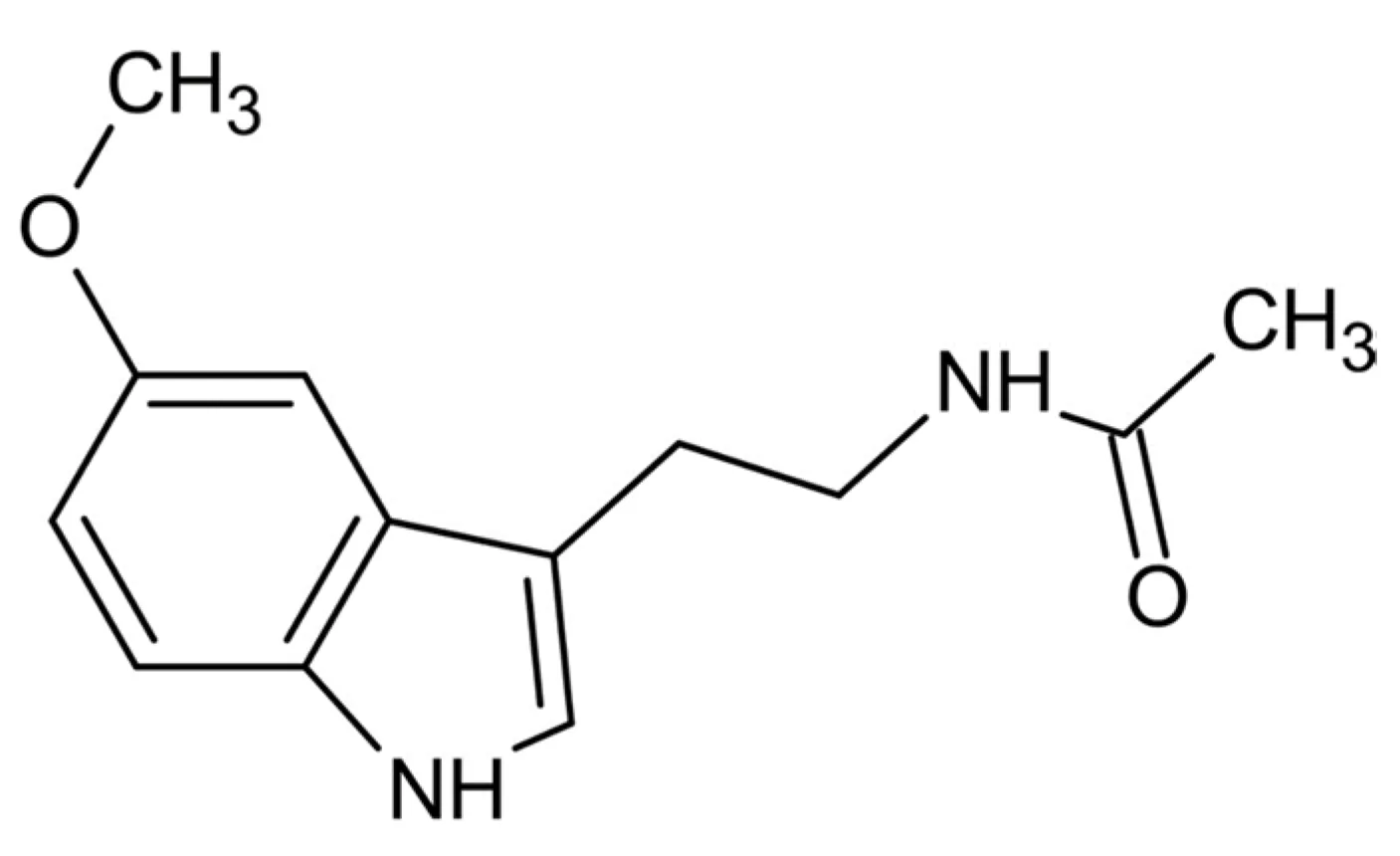
Melatonin is a natural hormone mainly produced by the pineal gland and is best known for regulating the body’s sleep-wake cycle. Its levels usually rise in the evening as light decreases and fall during the day. Because screen use, travel, shift work, and irregular schedules can affect this natural rhythm, melatonin supplements are often used to support healthy sleep timing and circadian rhythm alignment.
What is Melatonin?
Melatonin, also known as N-acetyl-5-methoxytryptamine, is a hormone made from tryptophan through serotonin in the pineal gland. It was first identified in the 1950s after researchers isolated a compound from pineal tissue. Besides regulating sleep, melatonin is also produced in smaller amounts in areas such as the retina and gastrointestinal tract, where it can act as a signaling molecule and antioxidant. Today, supplemental melatonin is mainly used to support sleep timing, jet lag recovery, and circadian rhythm alignment.
How Does Melatonin Work?
Melatonin mainly works by binding to MT1 and MT2 receptors in the brain’s suprachiasmatic nucleus, which acts as the body’s central biological clock. MT1 receptors help promote sleep, while MT2 receptors help adjust circadian timing, according to MT1 and MT2 receptor activation. Melatonin also has antioxidant properties and may help protect cells from oxidative stress. These combined effects explain why it is studied for functions beyond sleep regulation.
Potential Health Benefits of Melatonin
Melatonin may offer several benefits beyond supporting healthy sleep and body-clock regulation. Research has explored its potential role in sleep, antioxidant defense, and overall wellness.
Supports Healthy Sleep Onset
Melatonin is most commonly used to support sleep onset, especially for people who have difficulty falling asleep. Research suggests it may help reduce the time needed to fall asleep when taken before bedtime.
May Support Circadian Rhythm Alignment
Melatonin helps coordinate the body’s internal clock with the natural light-dark cycle. It may be useful for jet lag and certain circadian rhythm disorders, although the timing of use is important.
May Support Sleep Quality in Children
Some research suggests melatonin may improve sleep onset and total sleep time in children with certain neurodevelopmental conditions, including autism and ADHD. However, long-term safety data is limited, so children should use melatonin only with guidance from a healthcare professional.
Supports Antioxidant Defense
Melatonin has antioxidant properties and may help neutralize reactive oxygen species while supporting natural antioxidant enzymes. Research has also explored its protective effects in the brain, cardiovascular system, and gastrointestinal tract, including antioxidant and free radical scavenging. Most evidence for these broader effects is still based on preclinical research.
May Support Eye Health
Early research suggests melatonin may help protect retinal cells from oxidative stress. However, evidence for specific eye-health benefits is still limited, and more human research is needed.
Studied for Immune and Inflammatory Modulation
Melatonin receptors are found on various immune cells, and laboratory research suggests melatonin may influence inflammatory and immune responses. Human evidence is still developing, so its role in immune support remains under investigation.
Natural Food Sources
Melatonin occurs naturally in small amounts in foods such as tart cherries and cherry juice, walnuts and other nuts, rice and oats, tomatoes, and bananas. However, food provides relatively small amounts compared with supplements, so dietary sources are not usually considered a major way to obtain melatonin for sleep support.
Why Is It Included in Dietary Supplements?
Melatonin is widely used in sleep-support supplements, including immediate-release products for sleep onset and extended-release formulas for sleep maintenance. It may also be combined with ingredients such as magnesium, L-theanine, valerian, or chamomile.
Melatonin is sometimes included in antioxidant and eye-health formulas because of its mitochondrial protection and antioxidant effects. Adult doses commonly range from 0.5 to 5 milligrams, although individual needs can vary.
Safety and Possible Side Effects
Melatonin appears to be relatively safe for short-term use in most adults. Common side effects are generally mild and may include daytime drowsiness, headache, dizziness, or nausea. Long-term safety is less well established. Available research suggests a generally favorable short-term safety profile, as discussed in safety profile in humans.
Precautions and Possible Interactions
Melatonin may interact with certain medicines, including blood thinners, some diabetes medications, immunosuppressants, and medicines that cause drowsiness. People taking regular medications should speak with a healthcare professional before using melatonin. Safety during pregnancy and breastfeeding has not been established. People with epilepsy, certain medical conditions, or those preparing for surgery should also seek professional advice. More information is available in the NCCIH safety guidance.
Current Scientific Research
Research on melatonin continues to grow, with studies examining its effects on sleep, circadian rhythms, and other areas of health. Current evidence is strongest for sleep and circadian rhythm support.
Human Studies
Human research has mainly focused on melatonin for sleep onset, jet lag, and circadian rhythm disorders. Studies suggest it can help with sleep timing and may reduce the time needed to fall asleep in some situations. Research in children has also shown potential benefits for certain sleep problems, although long-term safety remains uncertain.
Animal Studies
Animal studies have explored melatonin’s antioxidant, neuroprotective, and anti-inflammatory effects. These studies suggest it may help protect cells from oxidative stress and support mitochondrial function, but these findings cannot automatically be applied to humans.
Overall Evidence
The strongest evidence for melatonin relates to sleep timing, sleep onset, jet lag, and certain circadian rhythm problems. Research into antioxidant, immune, and eye-health effects is promising but less established. More human studies are needed to determine its broader benefits and optimal use.
Frequently Asked Questions
What is Melatonin used for?
Melatonin is mainly used to support sleep onset and circadian rhythm alignment. It is commonly studied for jet lag, delayed sleep phase, and certain sleep problems.
Is Melatonin safe?
Melatonin appears to be relatively safe for short-term use in most adults. Mild effects such as drowsiness, headache, dizziness, or nausea can occur. Long-term safety is less certain.
Can it be taken every day?
Some people use melatonin daily for short periods, but long-term use should be discussed with a healthcare professional. The lowest effective dose is generally preferred.
What foods contain Melatonin?
Small amounts of melatonin are found in foods such as tart cherries, walnuts, rice, oats, tomatoes, and bananas. Food generally provides much less melatonin than supplements.
Can it be combined with other supplements?
Melatonin is commonly combined with magnesium, L-theanine, valerian, and chamomile. Anyone taking medications should check with a healthcare professional before combining supplements.