Proline-Rich Polypeptides and Colostrinin: Immune Support, Brain Health, and Research
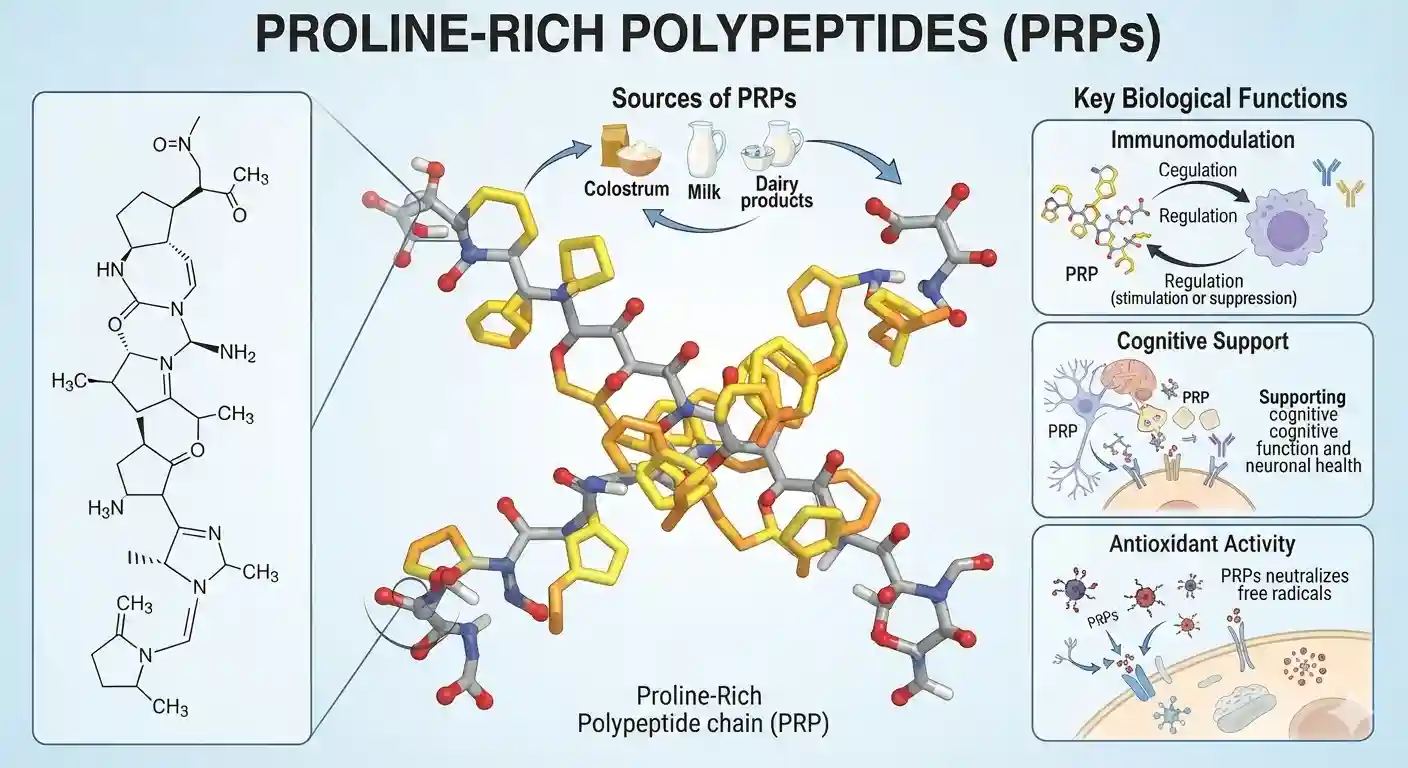
Proline-rich polypeptides (PRPs), commonly marketed as Colostrinin, are naturally occurring peptide complexes found in mammalian colostrum. They have gained interest for their potential role in immune regulation and cognitive health, particularly in aging populations.
PRPs mainly come from ovine and bovine colostrum, the nutrient-rich first milk produced after birth. Researchers have studied these peptides for their immunoregulatory properties and possible effects on cognitive health. Today, PRPs are found in immune-support and cognitive-wellness supplements because of their unique amino acid composition and biological activity.
What Are Proline-Rich Polypeptides?
Proline-rich polypeptides are low-molecular-weight peptides that contain a high amount of the amino acid proline. They were first structurally characterized from ovine colostrum in the early 1990s. Colostrinin is a commercial PRP extract obtained from colostral whey. Modern research has identified specific peptide components that may contribute to its biological activity. Today, PRPs are mainly available in capsule or tablet form and are marketed for immune balance and cognitive support.
How Do Proline-Rich Polypeptides Work?
PRPs are studied mainly as immune and biological signaling molecules rather than structural nutrients. Research suggests they may influence the development of immune cells and help regulate both cellular and humoral immune responses. Their effects may be regulatory rather than simply stimulating the immune system. PRPs have also been studied for their possible effects on oxidative stress and brain-derived neurotrophic factor (BDNF), a protein involved in neuronal health, as shown in cognitive function research.
Laboratory research has also explored whether PRPs may affect beta-amyloid aggregation and other processes linked to brain aging. These mechanisms are still being investigated.
Potential Health Benefits of Proline-Rich Polypeptides
PRPs have been studied for several potential benefits, especially in immune regulation and cognitive health. However, much of the evidence is still preliminary or comes from laboratory and animal research.
Supports Healthy Immune Regulation
PRPs have been studied for their ability to influence immune cell activity, including the development of T cells. Research suggests they help regulate immune responses rather than simply stimulate them. This balancing effect is one reason PRPs are included in some immune-support formulations.
Contribute to Cognitive Wellness
Human studies of Colostrinin have explored memory, concentration, and other cognitive functions in adults. Research has also examined changes in BDNF, which be involved in cognitive function, as shown in clinical cognitive research. Early findings are encouraging, but larger studies are needed to better understand these potential benefits.
Antioxidant Activity
Laboratory studies suggest PRPs help reduce reactive oxygen species and lipid peroxidation products such as 4-hydroxynonenal, which can contribute to cellular damage. This has led researchers to study PRPs in relation to oxidative stress and cellular aging. However, most evidence remains experimental rather than clinical.
Supports Balanced Inflammatory Response
PRPs have been studied for their effects on inflammatory signaling and immune activity, including research involving Alzheimer’s patients. These findings suggest PRPs help regulate inflammatory responses rather than simply increase immune activity. More research is needed to understand their clinical importance.
Support Healthy Aging Processes
Because PRPs interact with immune and neurological pathways, researchers have explored their possible role in healthy aging. Potential areas include cognitive function, immune balance, and protection against cellular stress. However, these benefits remain under investigation and should not be considered established.
Studied for Neuroprotective Potential
Animal and laboratory studies have examined whether PRPs support neuronal health and neurite outgrowth. These findings are interesting, but most evidence comes from experimental models. More human research is needed to determine whether these effects translate into meaningful neurological benefits.
Natural Food Sources
Proline-rich polypeptides naturally occur in colostrum, the first milk produced by mammals after birth. Sources include bovine colostrum, which is the most common commercial source; ovine colostrum, used in early PRP research; and human colostrum, which is present briefly after childbirth. Because colostrum is available only for a short period, concentrated PRPs are generally obtained through specialized extraction and supplement production.
Why Are Proline-Rich Polypeptides Included in Dietary Supplements?
PRPs are commonly included in immune-support and cognitive-wellness supplements, often as Colostrinin extract. They also be combined with other colostrum compounds, such as immunoglobulins and lactoferrin, as described in research on colostrum’s bioactive compounds. Some cognitive-focused products combine PRPs with antioxidants or other ingredients intended to support brain health. Products are commonly available as low-dose tablets or capsules.
Safety and Possible Side Effects
Clinical studies of Colostrinin have generally reported good tolerance during multi-week treatment periods. Some people have experienced mild effects such as anxiety, stimulation, insomnia, or temporary tiredness, based on clinical trial data. Because PRPs can influence immune signaling, people with autoimmune or other immune-related conditions should speak with a healthcare professional before using them.
Precautions and Possible Interactions
Because PRPs may affect immune activity, they could potentially interact with immunosuppressive or immune-modulating medicines. There is also limited information about interactions with blood thinners, diabetes medicines, and other prescription drugs. Safety information during pregnancy and breastfeeding is limited. People with autoimmune, neurological, or chronic medical conditions, or those preparing for surgery, should seek professional advice before using PRP supplements. This cautious approach is consistent with research on their immunoregulatory properties.
Current Scientific Research
Research on PRPs continues to explore their potential effects on immune regulation, cognitive function, inflammation, and brain health. Current evidence is promising but still developing.
Human Studies
Human studies of Colostrinin have mainly focused on cognitive function in aging adults and people with Alzheimer’s disease. Some trials have reported improvements or stabilization in cognitive measures. Research has also examined immune responses in Alzheimer’s patients, including effects on inflammatory cytokines, as reported in research on the innate immune response.
Animal Studies
Animal studies have explored PRPs in relation to immune regulation, memory, inflammation, and cognitive decline. Some rodent research suggests possible effects on dementia-like symptoms and inflammatory pathways, including nitric oxide and reactive oxygen species.
Overall Evidence
Current evidence for PRPs is promising but remains limited. Much of the research comes from laboratory and animal studies, while human trials are generally smaller. More large, well-controlled studies are needed to confirm the long-term safety and effectiveness of PRPs, as discussed in research on milk-derived peptides.
Frequently Asked Questions
What are Proline-Rich Polypeptides used for?
PRPs are mainly studied for immune regulation and cognitive support, particularly in aging adults. They are commonly included in supplements designed to support immune balance and cognitive wellness.
Are Proline-Rich Polypeptides safe?
Clinical studies suggest PRPs are generally well tolerated at studied doses. Mild effects such as anxiety or insomnia have been reported occasionally. People with autoimmune conditions should consult a healthcare professional before use.
Can PRPs be taken every day?
Some clinical studies have used PRPs on alternating days and followed specific treatment cycles. It is best to follow the product’s directions or advice from a healthcare professional.
What foods contain Proline-Rich Polypeptides?
PRPs naturally occur in colostrum from cows, sheep, and humans shortly after birth. Concentrated PRPs are generally obtained through specialized supplement extracts.
Can Proline-Rich Polypeptides be combined with other supplements?
PRPs may be combined with other colostrum-derived ingredients such as lactoferrin and immunoglobulins. Anyone taking medications should consult a healthcare professional before combining supplements.