Dong Quai: Benefits, Uses, Fertility and Side Effects
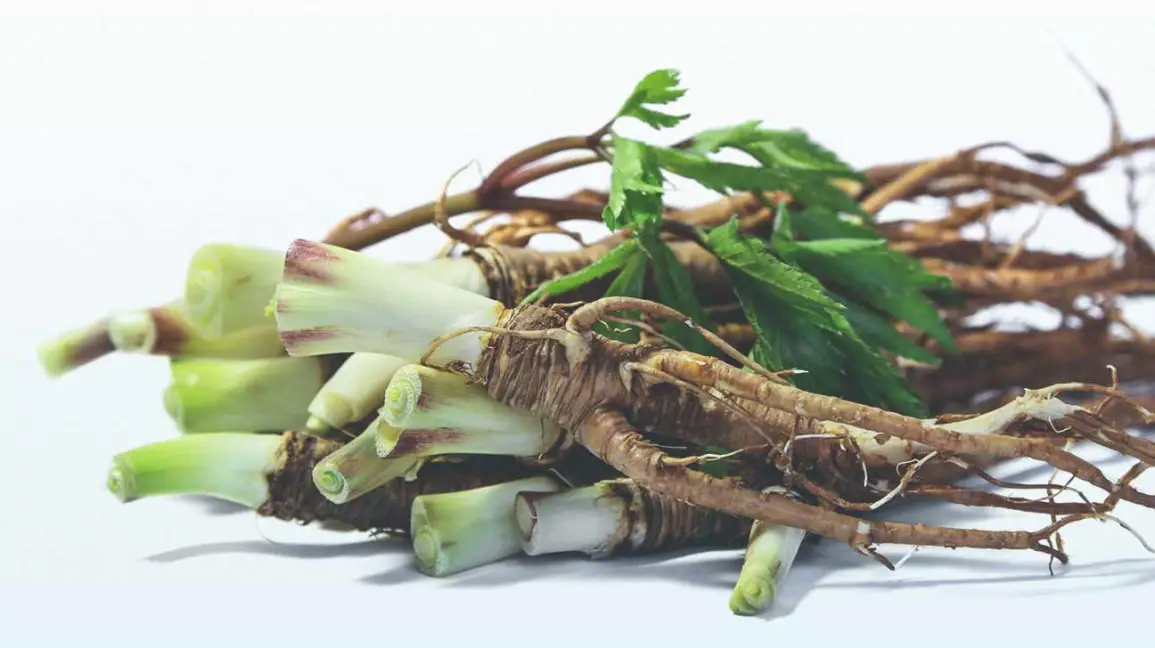
Dong quai is a traditional herbal ingredient made from the root of Angelica sinensis. It has been used in traditional Chinese medicine for women’s health, especially for menstrual and menopausal concerns. Today, dong quai is sold as capsules, tablets, powders, teas, and liquid extracts. While it has a long history of traditional use, modern research has not confirmed many of the health claims made about this herb.
What Is Dong Quai?
Dong quai (Angelica sinensis) is a plant from the same botanical family as carrots and celery. Its root contains natural compounds such as ligustilide and ferulic acid. It is also known by names including Chinese angelica, dang gui, and tang kuei. Traditional formulas often combine dong quai with other herbs, making it difficult to identify the effects of dong quai alone.
What Is Dong Quai Used For?
Dong quai has a long history of traditional use, especially for women’s health. Common traditional uses include:
- Menstrual cramps: Traditionally used to support comfort during painful periods.
- Premenstrual symptoms: Used in traditional preparations for symptoms that occur before menstruation.
- Menstrual irregularity: Traditionally used to support a regular menstrual cycle.
- Menopause symptoms: Used in traditional herbal formulas during the menopausal transition.
- Hot flashes: Included in some traditional preparations aimed at managing menopausal discomfort.
- General women’s health support: Traditionally used as part of herbal formulas for overall reproductive and women’s health.
Dong Quai Supplements
Dong quai supplements are made from dried or powdered root, extracts, tinctures, teas, capsules, and tablets. Some products also combine dong quai with herbs such as black cohosh or chasteberry. The strength can vary between products, so there is no single standard dose. The appropriate amount depends on the preparation, concentration, purpose, and individual health factors. People taking medicines should consult a healthcare professional before using dong quai.
Dong Quai Benefits for Women
Dong quai is traditionally considered a women’s herb, but its traditional reputation should be separated from what clinical research has actually shown.
Menstrual Support
Dong quai has traditionally been used for menstrual cramps, PMS symptoms, and other menstrual concerns. These uses include symptoms such as breast tenderness, bloating, mood changes, headaches, and discomfort during periods. However, there is not enough high-quality evidence to confirm that dong quai alone reliably improves menstrual symptoms. Many traditional preparations contain several herbs, so results from combination formulas cannot automatically be attributed to dong quai.
Menopause Support
Menopause is another major reason women use dong quai supplements. It is commonly promoted for hot flashes and other symptoms associated with the end of the menstrual cycle. Research has not established a clear benefit. NCCIH notes that there is not enough research to reach conclusions about dong quai for menopausal symptoms, while clinical research has not consistently shown improvements in hot flashes.
Women’s Reproductive Health
Dong quai has a long history of use in traditional reproductive-health formulas. It is sometimes promoted for supporting menstrual regularity and reproductive wellness. This does not mean that it has been proven to improve reproductive function. Human evidence is currently not strong enough to recommend dong quai as a treatment for a specific reproductive condition.
Natural Plant Compounds
Dong quai contains several naturally occurring compounds, including ligustilide and ferulic acid. Researchers are studying these compounds because they show biological activity in laboratory and experimental research. These findings are useful for understanding how the plant might work, but they should not be presented as proof of a health benefit in humans.
Dong Quai Benefits for Men
Dong quai is mainly marketed for women, and there is limited evidence for specific benefits in men. One clinical study examined dong quai for hot flashes in men receiving androgen-deprivation therapy for prostate cancer but found no significant improvement compared with placebo. Current human research does not establish clear benefits for common male health or fertility concerns. Men taking medicines, especially blood thinners or hormone-related treatments, should consult a healthcare professional before using dong quai.
Is Dong Quai Good for Fertility?
Dong quai is sometimes promoted for fertility, but reliable evidence does not show that it improves fertility in women or men. Some studies have examined Chinese herbal combinations containing dong quai and other ingredients, but these results cannot prove that dong quai alone improves ovulation, egg or sperm quality, implantation, or pregnancy rates. Research on Angelica sinensis and reproductive health continues, but it has not established dong quai as a fertility treatment. Anyone trying to conceive should discuss its use with a healthcare professional, especially because safety during pregnancy is a concern.
When to Take Dong Quai in the Menstrual Cycle
There is no well-established evidence-based schedule for taking dong quai during a specific part of the menstrual cycle. Traditional practices sometimes recommend different timing, but clinical research has not established one correct schedule. The timing depends on the reason for use and the specific product.
People trying to conceive or undergoing fertility treatment should seek professional guidance. Those with irregular or unusually heavy periods should also consult a healthcare professional before using dong quai.
Dong Quai Side Effects
Dong quai may also affect blood clotting and increase bleeding risk when combined with certain medicines.It can cause side effects, although not everyone experiences them. Reported effects include:
- Increased sensitivity to sunlight
- Skin reactions after sun exposure
- Bloating
- Diarrhea
- Loss of appetite
- Fever
Precautions and Safety Before Using Dong Quai
Dong quai should not be treated as a risk-free natural product. Consider these precautions before using it:
Pregnancy
Dong quai should be avoided during pregnancy. It may affect the uterus and has been linked to concerns about miscarriage. If you are pregnant or planning a pregnancy, speak with a healthcare professional before using any dong quai supplement.
Breastfeeding
There is not enough reliable information about the safety of dong quai during breastfeeding. Because its active compounds can pass through the body, it is better to avoid using it unless a healthcare professional recommends it.
Blood-Thinning Medicines
Dong quai may increase the risk of bleeding when used with blood thinners such as warfarin. Anyone taking anticoagulant or antiplatelet medicines should speak with a healthcare professional before using it.
Hormone-Sensitive Conditions
People with hormone-sensitive cancers or other hormone-sensitive conditions should seek medical advice before using dong quai. Experimental research has raised questions about estrogen-related activity, although these findings do not establish the same effect in humans.
Before Surgery
Because of its potential effects on bleeding, tell your healthcare provider about dong quai use before a planned surgery or medical procedure.
If You Take Prescription Medicines
Herbal supplements can interact with medicines and change how they work. Tell your doctor, pharmacist, or other healthcare professional about dong quai and any other supplements you use.
What Does Research Say About Dong Quai?
Human research on dong quai remains limited. A controlled clinical trial in postmenopausal women found no significant difference between dong quai and placebo for hot flashes or other measured menopausal outcomes. NCCIH also reports that there is not enough evidence to draw firm conclusions about dong quai for menopausal symptoms.
Overall Evidence
Overall, dong quai has a long history of traditional use, but modern clinical evidence is still limited. Studies vary in their preparations, doses, and uses, making the results difficult to compare. Current evidence does not establish one standard use or dose for dong quai.
Frequently Asked Questions
1. What is dong quai used for?
Dong quai has traditionally been used for menstrual cramps, PMS symptoms, menopause symptoms, and other women’s health concerns. Modern research has not confirmed all of these uses.
2. Is dong quai good for fertility?
There is not enough reliable evidence to show that dong quai improves fertility in men or women. It should not be used as a replacement for fertility evaluation or treatment.
3. Can men take dong quai?
Men can take dong quai, but there is no strong evidence supporting a specific general health or fertility benefit for men. Its effects in men have not been studied as extensively as its traditional uses in women.
4. When should I take dong quai during my cycle?
There is no scientifically established best day or phase of the menstrual cycle for taking dong quai. Traditional recommendations vary, so people should not assume that one cycle schedule is suitable for everyone.
5. Can dong quai help with menopause?
Dong quai is traditionally used for menopause symptoms, especially hot flashes. However, current evidence is not strong enough to conclude that dong quai effectively reduces menopausal symptoms.
6. What are the side effects of dong quai?
Possible side effects include digestive problems, loss of appetite, diarrhea, and increased sensitivity to sunlight. It may also increase bleeding risk when combined with certain medicines.
7. Who should avoid dong quai?
Pregnant and breastfeeding women should avoid dong quai. People taking blood thinners and those with hormone-sensitive conditions should consult a healthcare professional before using it.