Raspberry Ketones: Benefits, Uses, Safety & Research
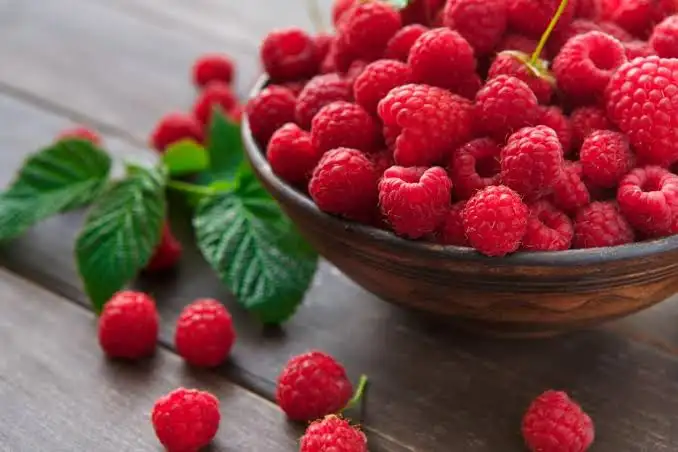
Raspberry ketone is a natural compound found in small amounts in red raspberries. It gives the fruit its sweet, fruity aroma and is also used as a flavoring and fragrance ingredient. Today, raspberry ketone is mainly known as an ingredient in weight-loss and fat-burning supplements. Research has explored its effects on fat metabolism, antioxidant activity, and other biological processes, but human research remains limited.
Raspberry Ketones Benefits
Raspberry ketone is mainly marketed for weight management and fat burning. Researchers have also studied its effects on fat metabolism, antioxidant activity, and inflammation. Most of the available evidence comes from laboratory and animal studies, so human benefits remain uncertain.
Weight Loss and Fat Burning
Raspberry ketone is widely used in weight-management and fat-burning supplements. Research has focused on how it interacts with fat cells and processes involved in breaking down stored fat. Its popularity comes largely from the idea that influencing these pathways could support changes in body composition and energy metabolism.
Support for Fat Metabolism
Raspberry ketone has been studied for its relationship with adiponectin, a hormone involved in fat metabolism and energy regulation. Research has also examined its effects on fat storage, fat breakdown, and the activity of fat cells. These processes are important parts of how the body handles and stores energy.
Antioxidant Properties
Raspberry ketone shows antioxidant activity in experimental research. Antioxidants help the body manage oxidative stress, which occurs when reactive molecules build up faster than the body’s natural defenses can handle them. This antioxidant activity has made raspberry ketone an area of interest in research on cellular protection and oxidative processes.
Anti-Inflammatory Research
Raspberry ketone has been investigated for its effects on biological pathways involved in inflammation. Experimental research has examined changes in inflammatory signaling and related cellular processes. This has expanded interest in raspberry ketone beyond weight management and into broader metabolic and cellular research.
Skin and Cosmetic Uses
Raspberry ketone is widely used in perfumes, cosmetics, personal-care products, and food applications because of its sweet and fruity fragrance. Researchers have also investigated its potential cosmetic applications, including its effects on skin pigmentation and processes involved in melanin production.
Raspberry Ketone Side Effects
There is limited information about the long-term safety of raspberry ketone supplements. The higher amounts found in supplements also differ from the small amounts naturally present in foods.
Potential concerns include:
- Nervousness or jitteriness
- Increased heart rate
- Heart palpitations
- Changes in blood pressure
- Digestive discomfort
How Is Raspberry Ketone Thought to Work?
Researchers have mainly studied raspberry ketone for its effects on fat breakdown and metabolism. Its chemical structure is similar to compounds such as capsaicin and synephrine, which have also been investigated for metabolic effects. Studies have examined whether raspberry ketone can influence fat cells and adiponectin levels. However, these proposed mechanisms are based largely on laboratory and animal research rather than strong human evidence.
Raspberry Ketone Dosage
There is no established raspberry ketone dosage proven to be safe and effective for weight loss. Commercial products vary widely in strength and formulation. Some studies have used raspberry ketone as part of multi-ingredient supplements, but these studies cannot establish an effective dose for raspberry ketone alone. Consumers should follow the product label and seek professional advice before using concentrated doses, particularly when taking medications.
Raspberry Ketone Safety and Who Should Avoid It
Because safety research is limited, concentrated raspberry ketone supplements require caution. This is particularly important for people with existing health conditions or those taking medication.
Pregnancy and Breastfeeding
There is not enough reliable safety information about raspberry ketone during pregnancy or breastfeeding. Concentrated supplements are best avoided unless recommended by a healthcare professional.
Diabetes
People with diabetes should use caution with weight-loss supplements. Products containing raspberry ketone can include other ingredients that affect blood sugar or interact with diabetes medicines.
Heart and Blood Pressure Conditions
People with high blood pressure, heart disease, or sensitivity to stimulant-like ingredients should speak with a healthcare professional before using raspberry ketone supplements.
Children and Teenagers
Raspberry ketone supplements have not been adequately studied in children and teenagers. Weight-loss supplements should not be used in these age groups without appropriate medical guidance.
Drug Interactions
Information about specific raspberry ketone drug interactions is limited. However, caution is important because many products contain several active ingredients. People taking blood thinners, stimulant medicines, blood pressure medicines, or diabetes medications should speak with a healthcare professional before using a raspberry ketone supplement. Checking the full supplement label is also important because other ingredients can contribute to interactions.
Research and Overall Evidence
Research on raspberry ketone has mainly focused on weight management, fat metabolism, antioxidant activity, and inflammation. Most of the evidence comes from laboratory and animal studies, while human research is limited. One human study tested raspberry ketone as part of a multi-ingredient supplement containing caffeine, capsaicin, bitter orange, ginger, and other ingredients. The participants also followed a calorie-restricted diet and exercise program, and the study reported changes in body weight and body composition.
Because raspberry ketone was combined with several other ingredients, the results cannot show its individual effect. Overall, research has not yet established a clear standalone benefit or effective dosage for raspberry ketone supplements.
Frequently Asked Questions
What are raspberry ketones used for?
Raspberry ketones are mainly marketed for weight management and fat burning. They are also used as flavoring and fragrance ingredients.
Do raspberry ketones help with weight loss?
Current human evidence is not strong enough to confirm meaningful weight loss from raspberry ketone supplements.
Are raspberry ketones natural?
Raspberry ketone occurs naturally in raspberries, but only in very small amounts. Most supplements use synthetically produced raspberry ketone.
What are the main raspberry ketone side effects?
Potential concerns include nervousness, increased heart rate, palpitations, blood pressure changes, and digestive discomfort.
Can I take raspberry ketones every day?
There is no well-established long-term daily dose. Regular use should be discussed with a healthcare professional.
Is raspberry ketone safe during pregnancy?
Safety during pregnancy and breastfeeding has not been adequately established. Concentrated supplements are best avoided unless advised by a healthcare professional.
Is raspberry ketone a stimulant?
Raspberry ketone is not the same as common stimulants such as caffeine or synephrine. However, researchers have investigated its similarities to some stimulant-related compounds.