Ashwagandha Extract: Uses, Benefits and Side Effects
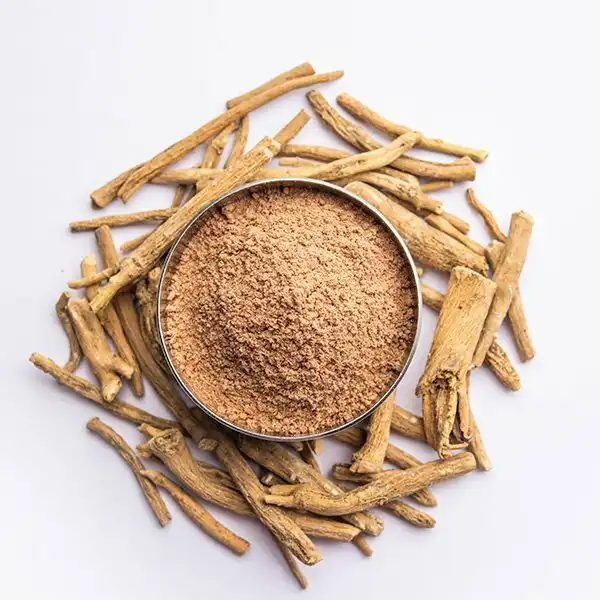
Ashwagandha extract is a concentrated herbal preparation derived from the roots of Withania somnifera, a plant traditionally used in Ayurvedic medicine. The root contains naturally occurring compounds called withanolides, which are among the key constituents studied in ashwagandha. Unlike plain root powder, an extract is processed to concentrate specific plant compounds. Extracts are available in capsules, tablets, powders, and liquid forms, and their strength varies according to the extraction method and standardization. Some products also specify the percentage of withanolides, which helps indicate the concentration of these compounds.
Uses of Ashwagandha Extract
Ashwagandha extract is used for several wellness purposes, with stress management and sleep support among its most common uses.
- Stress support: Used to help manage everyday stress and promote a calmer state.
- Sleep support: Used to support sleep quality and nighttime relaxation.
- Relaxation: Included in supplements designed to promote calmness and reduce nervous tension.
- Male reproductive health: Used in some supplements focused on testosterone and sperm health.
- Exercise support: Used by people seeking support for strength, physical performance, and recovery.
- General wellness: Included in herbal formulas intended to support overall health
Benefits of Ashwagandha Extract
Ashwagandha extract is mainly valued for its effects on stress, sleep, and relaxation.
Helps Manage Stress
Ashwagandha extract is commonly used to support the body’s response to everyday stress. Studies have examined standardized extracts in adults experiencing stress and have reported improvements in perceived stress and related measures.
Supports Sleep
Ashwagandha extract is used as a nighttime supplement for people who have difficulty falling asleep or maintaining restful sleep. Clinical research has reported improvements in some sleep-related measures, particularly in people with insomnia.
Promotes Relaxation
Ashwagandha is traditionally used as a calming herb. Its use in stress and sleep supplements reflects its role in promoting relaxation without being classified as a conventional sleeping medicine.
Supports Male Reproductive Health
Some clinical studies have examined ashwagandha in men and reported improvements in sperm quality and testosterone levels after several months of use. This evidence is limited to specific populations and preparations.
Side Effects of Ashwagandha Extract
Ashwagandha extract is generally tolerated during short-term use, but digestive symptoms and drowsiness can occur. Rare cases of liver injury have also been reported with ashwagandha-containing products. Common side effects include:
- Drowsiness
- Stomach upset
- Diarrhea
- Nausea
- Vomiting
Who Should Avoid Ashwagandha Extract?
Ashwagandha is not appropriate for everyone. It should be avoided or used only with professional guidance in certain situations. People who should avoid it or seek medical advice first include:
- Pregnant individuals
- People who are breastfeeding
- People with thyroid disorders
- People with autoimmune disorders
- People with significant liver disease
- People preparing for surgery
- People taking medicines that interact with ashwagandha
- People with hormone-sensitive prostate cancer
Ashwagandha Extract Drug Interactions
Ashwagandha can interact with certain medicines, particularly those affecting blood sugar, blood pressure, thyroid function, immune activity, or the central nervous system. Important medication groups include:
- Diabetes medicines
- Blood pressure medicines
- Thyroid hormone medicines
- Immunosuppressants
- Sedatives
- Anti-seizure medicines
Ashwagandha Extract Dosage
There is no single standard dose for every ashwagandha extract because products differ in plant part, extraction method, concentration, and withanolide content. Clinical studies have used a wide range of preparations and doses. Some standardized root extracts have been studied at daily amounts in the several-hundred-milligram range, while other products use different concentrations. When choosing a dose, check:
- Amount of extract per serving
- Root, leaf, or root-and-leaf source
- Withanolide concentration
- Number of daily servings
- Manufacturer’s recommended serving size
Best Time to Take Ashwagandha Extract
The best timing depends on the reason for use and how the product affects the individual. For evening relaxation or sleep support, it is commonly taken later in the day. If it causes drowsiness, evening use is more practical. If it causes stomach discomfort, taking it with food can be easier to tolerate.
Ashwagandha Extract vs. Ashwagandha Root
Ashwagandha root is the raw herbal material, while an extract is produced by processing the plant material to concentrate selected compounds. This difference matters because a small amount of extract can contain a different concentration of active constituents than a larger amount of plain root powder. Products should therefore be compared by extract type and standardization rather than milligram weight alone.
How to Choose the Best Ashwagandha Extract?
There is no single product that is best for every person. A suitable product should match the intended use and provide clear information about its composition.
Check the Extract Type
Look for whether the product uses root extract, leaf extract, or a root-and-leaf combination. Research on different preparations cannot automatically be applied to every ashwagandha product.
Check Withanolide Standardization
Withanolides are a group of compounds found in ashwagandha. A product that states its withanolide content provides more information about the extract’s composition than a label that lists only the total extract weight.
Look for Quality Testing
Independent testing can provide additional information about identity, purity, and contaminants. This is particularly useful because dietary supplements are not approved by the FDA for safety and effectiveness before they reach the market.
Where to Buy Ashwagandha Extract
Ashwagandha extract is available from several types of sellers. Choose a source that clearly identifies the product, ingredients, and manufacturer.
- Manufacturer’s official website for direct purchasing and product information
- Reputable pharmacies that sell established supplement brands
- Established health and supplement stores with clear product labeling
- Trusted online supplement retailers that provide complete product and manufacturer details
- Authorized sellers or distributors to reduce the risk of improperly stored or counterfeit products
Research on Ashwagandha Extract
Research on ashwagandha extract has focused mainly on stress, anxiety, sleep, male reproductive health, and physical performance.
Stress and Sleep Research
Clinical trials have examined several ashwagandha preparations in adults experiencing stress or sleep problems. Findings support improvements in some stress and sleep measures, although studies differ in extract type, dose, duration, and participant characteristics.
Testosterone and Sperm Quality Research
Research in men has examined ashwagandha supplementation over several weeks to months. Some studies report increases in testosterone and improvements in sperm-related measures, but the evidence is limited and does not apply equally to every population or product.
Research on Other Uses
Ashwagandha has also been investigated for athletic performance, cognitive function, diabetes, menopause, and female infertility. Current evidence is not sufficient to establish clear benefits for these conditions.
Overall Evidence on Ashwagandha Extract
The current evidence is most relevant to stress and sleep, where several clinical studies have reported improvements with specific ashwagandha preparations. Evidence for testosterone and sperm quality is more limited and applies mainly to particular groups and study conditions.
Research is harder to interpret across products because extracts differ in plant parts, preparation methods, concentrations, and doses. Long-term safety is also less established than short-term use. Ashwagandha should therefore be viewed as a botanical supplement with promising evidence for selected uses rather than a universal treatment for multiple health conditions.
Frequently Asked Questions
Does Ashwagandha Extract Have Negative Side Effects?
Yes. Ashwagandha extract can cause side effects such as drowsiness, stomach upset, diarrhea, nausea, and vomiting. Rare cases of liver injury have also been reported with ashwagandha-containing products.
What is the best Ashwagandha extract?
The best extract depends on the intended use. Look for a clearly identified plant part, standardized withanolide content, transparent labeling, appropriate dosage information, and reliable quality testing.
Is Ashwagandha extract good for stress?
Stress support is one of the better-studied uses of ashwagandha. Clinical studies have reported improvements in perceived stress with certain preparations.
Is Ashwagandha extract good for sleep?
Ashwagandha has been studied for insomnia and sleep quality. Some clinical trials report improvements in sleep-related measures, although results depend on the preparation and study population.
How long does Ashwagandha extract take to work?
The timeframe depends on the purpose and preparation. Studies assessing stress, sleep, and reproductive outcomes have commonly evaluated effects after several weeks rather than after a single dose.
Can Ashwagandha extract be taken every day?
Daily use has been studied in clinical trials, particularly over several weeks to a few months. Long-term safety beyond these periods is not well established.
Can Ashwagandha extract increase testosterone?
Some studies in men have reported increased testosterone levels after supplementation. The findings apply to specific study populations and preparations rather than every ashwagandha product.
Is Ashwagandha extract the same as Ashwagandha powder?
No. Powder consists of the processed plant material, while an extract is produced to concentrate selected constituents. Their doses cannot be compared by milligram weight alone.
Can Ashwagandha extract be taken with other supplements?
Interactions can occur between ashwagandha and medicines or other supplements. Particular caution is needed when combining it with products that cause drowsiness or affect blood pressure, blood sugar, thyroid function, or immune activity.