
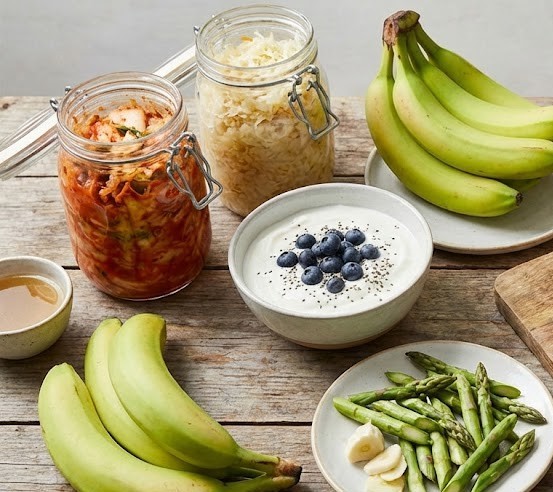
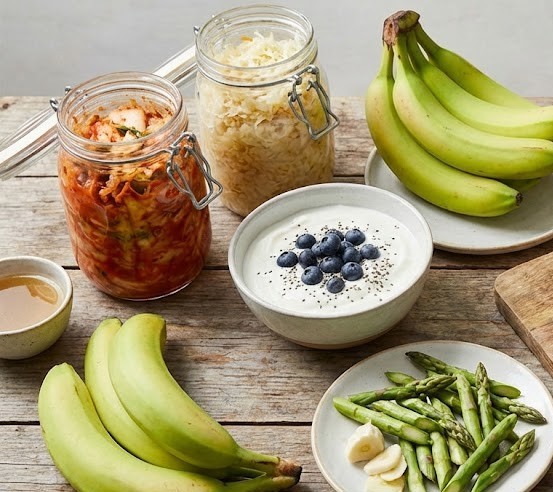
Foods for better gut health focus on consistency, not perfection. The goal is less bloating, more regular bathroom habits, and meals that feel easy to tolerate. A steady approach, with fiber, cooked vegetables, and simple routines, can improve digestion and energy. Gut health supports immunity and mood, and it thrives on repeatable habits. Avoid extreme diets, small, consistent changes lead to a calmer gut. Prioritize foods that nourish your gut without overwhelming it.
Key Takeaways
- Foods for better gut health include steady fiber, prebiotic-rich plants, and small portions of fermented foods.
- Consistency is key for gut health. Repeatable habits are more effective than perfection.
- A healthy gut promotes better digestion, less bloating, and improved overall well-being.
- Fermented foods may benefit some, but should be introduced gradually.
- Hydration, regular meals, and daily movement help support digestion and motility.
- Progress takes time, and gradual improvements are typical for many people.
What Is Gut Health?
Gut health refers to how well your digestive system functions, including how well your gut microbiome is balanced. It’s not about perfect digestion, but about consistency and balance. A healthy gut means that food moves through your digestive system smoothly, and your gut lining is well-supported.
Microbiome: The Key to Digestion
Your gut microbiome consists of beneficial bacteria and microorganisms that help digest food and absorb nutrients. Eating a variety of plant-based foods feeds these beneficial microbes, supporting a balanced gut ecosystem.
Gut Lining: The Protective Barrier
The gut lining protects your body by allowing nutrients to pass into the bloodstream while keeping harmful substances out. When it’s healthy, digestion is more efficient, and symptoms like bloating or discomfort are minimized.
Motility: The Movement of Food
Motility refers to the movement of food and waste through your digestive system. Healthy motility means steady digestion with fewer digestive issues like constipation or diarrhea. Fiber, hydration, and meal timing all influence motility.
Foods for Better Gut Health
Start with foods that are simple to incorporate into daily meals and provide consistent support for digestion and microbiome balance.
1) Fiber Foods: Fiber is one of the best ways to support gut health. It helps regulate stool consistency and supports digestive motility. But the key is to increase fiber gradually to avoid bloating.
- Oats for breakfast or as a snack
- Legumes like lentils, chickpeas, and beans
- Vegetables like carrots, zucchini, and spinach (cooked for easier digestion)
- Fruits such as berries, pears, and oranges
2) Prebiotic Foods: Prebiotics nourish the good bacteria in your gut. They’re found in many common foods, especially those rich in fiber and resistant starch.
- Oats and barley for breakfast or added to meals
- Garlic and onions to add flavor and support gut health (best when cooked)
- Bananas (especially slightly green) and plantains
- Legumes like lentils and beans (introduce slowly to prevent gas)
3) Polyphenol Foods: Polyphenols are plant compounds that help improve gut health by supporting microbial diversity.
- Berries like blueberries, strawberries, and raspberries
- Cocoa (unsweetened) mixed into yogurt or smoothies
- Leafy greens like spinach and kale
- Herbs and spices like turmeric, ginger, and cinnamon
4) Healthy Fats: Healthy fats are essential for making meals more satisfying and improving the absorption of nutrients from vegetables and fiber. They also support steady eating patterns and help reduce inflammation in the gut.
- Olive oil for roasting vegetables and making simple dressings
- Nuts like walnuts and almonds (keep portions moderate if sensitive)
- Seeds like chia, flax, sesame, and pumpkin (start small if you’re adding fiber)
- Avocado (if tolerated, in small portions)
Best Starter Foods if You Bloat Easily
If you experience bloating frequently, choose foods that are gentle on the digestive system and work your way up from there.
- Oatmeal with a small portion of berries
Cooked vegetables such as carrots and zucchini - Rice with a smaller portion of lentil soup
- Ripe bananas (they are easier on the stomach than unripe ones)
- Yogurt (if tolerated, start with a small portion)
Fermented Foods for Gut Health :
Fermented foods are rich in live bacteria that can help support the gut microbiome. They provide beneficial microbes that aid in digestion, immune function, and overall gut health. However, because fermented foods are potent, they should be introduced gradually to avoid discomfort like bloating or gas.
- Yogurt with live cultures (2–4 tablespoons, 3–4 times per week)
Yogurt is a well-known source of probiotics, offering live cultures that can enhance gut flora balance. Start with small portions to monitor how your body reacts and gradually increase frequency as tolerated. - Kefir (60–120 ml, 3 times per week)
Kefir is a fermented dairy drink that contains a wide variety of beneficial bacteria and yeasts. It’s a more potent source of probiotics than yogurt and can help improve gut diversity and digestion when consumed in moderation. - Sauerkraut and Kimchi (1 teaspoon to 1 tablespoon)
These fermented vegetables are packed with probiotics and can add variety to your gut microbiome. Start with small amounts to see how your body responds, as their high fiber content can sometimes lead to bloating if eaten too quickly. - Miso (1 teaspoon in soup, 2–4 times per week)
Miso is a fermented soybean paste commonly used in soups and sauces. It provides beneficial bacteria and enzymes that can aid digestion. It’s a good source of flavor while promoting gut health. Start with small portions to ensure it doesn’t upset your stomach. - Tempeh (60–90 g, 2–3 times per week)
Tempeh is a fermented soybean product that’s rich in protein and probiotics. It’s a great alternative to meat and can be a valuable addition to a gut-friendly diet. Gradually introduce tempeh, especially if you’re new to fermented soy products, as they may cause discomfort for some people.
How to Improve Gut Health with Realistic Daily Habits
Focus on habits that you can maintain consistently, rather than striving for perfection.
, 1) Fiber (Increase Slowly):Fiber helps support regular digestion and feeds beneficial gut bacteria, but increasing it too quickly can cause bloating and discomfort.
- Add one fiber-rich food per day (oats, beans, berries, lentils, greens)
- Keep portions small at first
- Gradually increase fiber every few days
2) Hydration Habits: Hydration is key for digestion and helps fiber work effectively. - Drink a glass of water within an hour of waking
- Stay hydrated throughout the day
- Include hydrating foods like soups, fruit, and watery vegetables
3) Protein and Regular Meals:Irregular meals can trigger digestive discomfort. Aim for consistent meal times and include protein in every meal. - Eat lunch at the same time every weekday
- Include protein at breakfast or lunch
- Keep late meals lighter if your gut is sensitive
4) Sleep Quality and Recovery: Poor sleep can increase stress hormones, affecting digestion. Aim for consistent, quality sleep. - Stick to a regular sleep schedule
- Avoid heavy meals close to bedtime
- Get exposure to natural light in the morning
5) Stress Management (Gut–Brain Axis): Stress affects digestion by changing digestion speed and sensitivity. Lowering daily stress levels can improve gut function. - Practice deep breathing for 2 minutes when feeling tense
- Take a 10-minute walk after meals
- Create a nightly routine with activities like stretching or journaling
6) Daily Movement: Light daily movement supports digestion and reduces the feeling of “stuck” food. - Take a 10–20 minute walk most days
- Stretch after sitting for long periods
- Take short movement breaks during work
Common Mistakes That Slow Progress
Improving gut health requires consistency and patience. Many people make common mistakes that can hinder their progress and even cause setbacks. Here are some of the most frequent missteps to avoid:
- Increasing fiber too fast: While fiber is essential for gut health, introducing too much too quickly can overwhelm the digestive system. This often results in bloating, gas, and discomfort, which can discourage people from continuing their gut-friendly habits. To avoid this, gradually increase fiber intake over a period of time to give your gut time to adapt.
- Trying too many changes at once: Overhauling your diet, sleep schedule, and stress management practices all at the same time can make it difficult to pinpoint what’s actually helping or causing problems. It’s best to introduce changes one step at a time so you can track progress and adjust as needed.
- Expecting instant results: Gut health improvements typically don’t happen overnight. It takes time for the gut microbiome to shift, and progress may look like fewer bad days rather than instant relief. Be patient, track symptoms, and stay consistent with your habits for long-term benefits.
- Skipping meals and overeating later: Skipping meals often leads to overeating later, which can result in digestive discomfort, bloating, and cravings. Regular, consistent meals are key to maintaining steady digestion and avoiding spikes in hunger and overeating. Aim for balanced meals at regular intervals throughout the day.
- Ignoring stress and sleep: Stress and poor sleep are significant factors that affect gut health. Chronic stress can slow down digestion, and inadequate sleep can disrupt gut function. Managing stress and prioritizing restful sleep are essential for supporting gut health and overall well-being.
7-Day Gut-Friendly Food Plan
This simple plan introduces gentle changes that support digestion without overwhelming your gut.
| Day | Focus | Simple Action |
| 1 | Hydration Timing | Drink water within an hour of waking |
| 2 | Gentle Fiber | Add oats or berries to one meal |
| 3 | Meal Rhythm | Set a consistent lunch time |
| 4 | Prebiotic Support | Add garlic/onion or banana to a meal |
| 5 | Movement | Take a 10-minute walk after one meal |
| 6 | Sleep Support | Protect a consistent bedtime |
| 7 | Plant Variety | Add two different vegetables in one day |
Frequently Asked Question (FAQ)
What are the best gut-friendly foods to eat daily?
Oats, cooked vegetables, fruit (especially berries/kiwi/pears), and portion controlled lentils or beans are strong daily choices because they support fiber consistency without being complicated.
Are fermented foods required for gut health?
No. Some people benefit, others feel worse if they add them too fast. If fermented foods don’t suit you, focus on steady fiber, cooked plants, and weekly variety instead.
What if fiber makes me gassy?
That usually means you increased too quickly. Reduce the portion, spread fiber across meals, and increase every few days. Start with gentler fibers like oats and cooked vegetables.
Best foods for bloating?
Many people feel better with cooked vegetables, oats, rice, soups, and smaller servings of legumes while building tolerance.
How long until you notice changes?
Some people notice small improvements within 1–2 weeks, but steadier changes often take several weeks of consistent routines.
Conclusion
For optimal gut health, focus on simple, repeatable habits like steady fiber, prebiotic-rich foods, and cooked vegetables during sensitive times. Rotate plant based foods throughout the week to support a diverse gut microbiome. Fermented foods can help, but introduce them gradually in small portions. Start with one or two changes, keep meals consistent, and let patience and consistency drive long term improvements. Over time, these habits will lead to better digestion and overall well being.
References
- NIH NIDDK Digestive Diseases Overview https://www.niddk.nih.gov/health-information/digestive-diseases
- Harvard T.H. Chan School of Public Health, Fiber https://www.hsph.harvard.edu/nutritionsource/carbohydrates/fiber/
- Cleveland Clinic, Prebiotics vs Probiotics https://health.clevelandclinic.org/prebiotics-vs-probiotics-whats-the-difference
- Mayo Clinic, Probiotics FAQ https://www.mayoclinic.org/healthy-lifestyle/nutrition-and-healthy-eating/expert-answers/probiotics/faq-20058065
- Stanford Medicine, Fermented foods trial summary https://med.stanford.edu/news/all-news/2021/07/fermented-food-diet-increases-microbiome-diversity-lowers-inflammation.html