
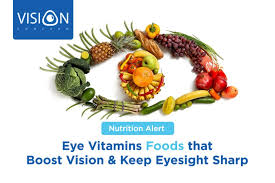
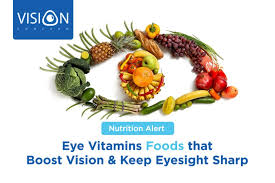
Foods for Eye Health, is crucial for overall well-being, especially as we age. The right nutrients can significantly reduce the risk of eye conditions like macular degeneration and cataracts. Key foods such as leafy greens, fish rich in omega-3s, and colorful fruits are packed with essential vitamins and minerals that support vision. This article explores the best foods, vitamins, and lifestyle habits for preserving healthy eyesight.
Key Takeaways:
- Consuming vitamin A-rich foods, such as carrots and sweet potatoes, can enhance night vision and prevent vision loss.
- Omega-3 fatty acids, found in fatty fish like salmon, protect against dry eye syndrome and support overall eye function.
- Antioxidants like vitamin C and E, abundant in citrus fruits and nuts, fight free radicals and reduce oxidative damage to the eyes.
- Lutein and zeaxanthin, found in spinach and eggs, help filter blue light and protect the retina from damage.
What is Eye Health?
Eye health refers to the well-being of the eyes and their ability to function optimally throughout life. It involves the prevention, diagnosis, and treatment of conditions that can affect vision, such as macular degeneration, cataracts, glaucoma, and dry eye syndrome. With increasing screen time and environmental factors such as pollution, maintaining eye health is becoming more crucial than ever. According to the American Academy of Ophthalmology, over 40 million Americans suffer from some form of vision impairment, and the numbers are expected to grow as the population ages (American Academy of Ophthalmology, 2022).
Regular eye care and a diet rich in nutrients can mitigate the risk of these conditions and preserve vision. The eyes are complex organs requiring adequate nutrition, proper hydration, and protection from harmful light. Poor eye health can significantly impact one’s quality of life, making awareness and preventive measures essential.
Why is Eye Health Important for the Body?
The eyes are vital sensory organs responsible for processing visual information and helping us navigate the world. Healthy eyes ensure we can perform daily tasks such as reading, driving, and recognizing faces. Proper eye health is linked to overall well-being, as vision loss can lead to increased dependency and a reduced quality of life. In addition to helping us process visual cues, our eyes are also involved in several biological processes, such as light detection and the regulation of sleep patterns.
Furthermore, the eyes are vulnerable to various environmental factors, including UV light, pollution, and digital screens. If not cared for properly, the eyes can suffer from damage caused by oxidative stress and inflammation. Therefore, maintaining eye health is not only about preventing vision loss but also about protecting the eyes from the harmful effects of modern living.
Top 5 Foods for Eye Health
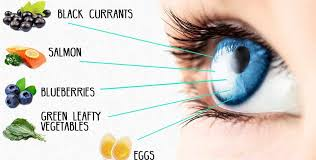
The foods we eat can have a significant impact on the health of our eyes. Nutrient-rich options that support eye health can prevent damage and promote long-term vision wellness. Here are the top five foods to include in your diet for optimal eye health.
1. Carrots
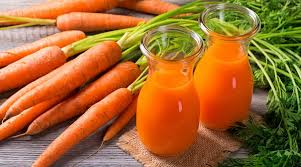
Carrots are one of the best-known foods for eye health, and for a good reason. Rich in beta-carotene, a type of vitamin A, carrots help maintain healthy vision and support night vision. Vitamin A is essential for the retina’s ability to process light, and a deficiency can lead to night blindness.
How does it help eye health?
- Beta-carotene supports the function of the retina, improving vision.
- Vitamin A helps the eye’s rods function, which are responsible for vision in low-light conditions.
- Carrots’ antioxidant properties reduce the risk of cataracts by combating oxidative stress.
- Regular consumption can improve overall eye function, particularly in dim light.
How to use or consume?
Eating raw carrots as a snack or adding them to salads is a simple way to include them in your diet. Aim for at least one serving (about 1/2 cup) per day to reap the benefits.
2. Spinach
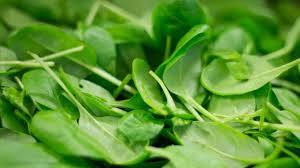
Spinach is a powerhouse of nutrients that supports eye health. It is high in lutein and zeaxanthin, two antioxidants that play a crucial role in protecting the retina from light-induced damage. These nutrients also help filter harmful blue light, reducing the risk of age-related macular degeneration (AMD).
How does it help eye health?
- Lutein and zeaxanthin protect the retina from oxidative damage and harmful light exposure.
- These antioxidants improve visual acuity, especially in bright light conditions.
- Spinach’s anti-inflammatory properties reduce the risk of eye diseases like AMD.
- It supports overall retinal health by reducing oxidative stress in the eye.
How to use or consume?
Add spinach to salads, smoothies, or sauté it with olive oil. Aim for at least one cup of cooked spinach per day to get the full benefits of these nutrients.
3. Salmon

Salmon is one of the best sources of omega-3 fatty acids, which are essential for maintaining eye health. Omega-3s reduce inflammation and support tear production, helping prevent dry eye syndrome. Omega-3s also play a role in protecting the eyes from retinal degeneration.
How does it help eye health?
- Omega-3 fatty acids reduce the risk of dry eye syndrome by supporting proper tear function.
- They protect the retina from damage caused by inflammation and oxidative stress.
- Omega-3s improve overall eye function, particularly for those with age-related eye conditions.
- Regular consumption can slow the progression of macular degeneration.
How to use or consume?
Incorporate salmon into your diet at least twice a week. Grilled, baked, or broiled salmon provides the most nutritional benefits while avoiding excess fats.
4. Blueberries
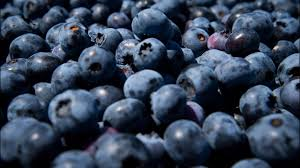
Blueberries are rich in antioxidants, particularly anthocyanins, which help reduce inflammation and oxidative damage in the eyes. These antioxidants also support healthy blood vessels in the eyes, reducing the risk of retinal diseases and cataracts.
How does it help eye health?
- Antioxidants in blueberries help fight free radicals that can damage eye cells.
- Regular consumption improves circulation in the eyes, supporting better nutrient delivery to retinal tissues.
- They protect the eyes from oxidative stress, which can lead to cataracts and macular degeneration.
- Blueberries also support general eye function and clarity.
How to use or consume?
Add a handful of fresh or frozen blueberries to your morning smoothie or yogurt. Aim for one serving per day to enjoy maximum eye health benefits.
5. Eggs

Eggs are an excellent source of both lutein and zeaxanthin, two critical antioxidants that support retinal health and filter harmful blue light. They are also rich in zinc, a mineral that helps maintain a healthy retina and supports overall eye function.
How does it help eye health?
- Lutein and zeaxanthin help filter out harmful blue light and protect the retina from damage.
- Zinc supports the function of the retina, enhancing its ability to process visual information.
- The antioxidants in eggs protect the eyes from oxidative stress and reduce the risk of cataracts.
- Regular consumption may reduce the risk of age-related macular degeneration.
How to use or consume?
Eat one or two eggs daily to maximize the benefits of lutein, zeaxanthin, and zinc. Whether scrambled, boiled, or in an omelette, eggs are an easy addition to any meal.
Nutrients That Play a Key Role in Eye Health
To support eye health, it’s important to ensure you’re consuming adequate amounts of key nutrients. Each of these plays a specific role in eye function and protection.
Vitamin A:
- Vitamin A is essential for the proper function of the retina and the conversion of light into signals that the brain can interpret.
- A deficiency in vitamin A can lead to night blindness and other vision problems.
- The body uses beta-carotene, found in carrots and sweet potatoes, to produce vitamin A.
Vitamin C:
- Vitamin C helps protect the eyes from oxidative damage and supports the health of blood vessels in the eyes.
- It reduces the risk of cataracts and age-related macular degeneration.
- Found in citrus fruits, bell peppers, and strawberries, it also supports the immune system.
Vitamin E:
- This fat-soluble vitamin protects eye cells from damage caused by free radicals.
- It supports the health of the retina and can prevent the progression of cataracts.
- Nuts, seeds, and green leafy vegetables are excellent sources of vitamin E.
Omega-3 Fatty Acids:
- Omega-3s support retinal health, reduce inflammation, and improve tear production.
- They can prevent dry eye syndrome and protect against age-related macular degeneration.
- Fatty fish like salmon, mackerel, and sardines are rich sources of omega-3s.
Lutein:
- Lutein is an antioxidant that protects the retina and helps filter harmful blue light.
- It improves visual performance and reduces the risk of macular degeneration.
- Spinach, kale, and other green leafy vegetables are high in lutein.
Zeaxanthin:
- Similar to lutein, zeaxanthin supports the retina by filtering out blue light and protecting against oxidative damage.
- It is especially beneficial for reducing the risk of macular degeneration.
- Found in eggs, corn, and green vegetables, zeaxanthin is a critical nutrient for eye health.
Zinc:
- Zinc is essential for the function of enzymes that help maintain healthy retinal cells.
- It supports the immune system and protects the eyes from oxidative damage.
- Oysters, beef, and pumpkin seeds are rich in zinc.
Beta-Carotene:
- Beta-carotene is a precursor to vitamin A and is crucial for maintaining healthy vision, particularly in low-light conditions.
- It supports the retina and protects against night blindness.
- Orange and yellow vegetables, such as sweet potatoes and carrots, are high in beta-carotene.
Foods to Avoid for Better Eye Health
| Food to Avoid | Effects | Causes |
| Processed Sugars | Increases risk of macular degeneration | Accelerates damage from oxidative stress |
| Trans Fats | Promotes inflammation and eye diseases | Increases risk of cataracts and AMD |
| Excessive Alcohol | Dehydration and poor eye function | Damages the retina and blood vessels |
| Fried Foods | High in unhealthy fats | Contributes to oxidative damage |
| Caffeine | Reduces hydration and tear production | Increases risk of dry eye syndrome |
Lifestyle Habits That Support Eye Health Along with Diet
Regular Exercise:
- Exercise helps improve blood circulation to the eyes, delivering essential nutrients for eye health.
- Activities like walking, swimming, and yoga can reduce the risk of eye diseases and promote overall wellness.
Proper Hydration:
- Drinking adequate water helps maintain the moisture balance in the eyes, preventing dryness.
- Staying hydrated is essential for the optimal function of the tear glands.
Limiting Screen Time:
- Reducing screen time or using blue light filters can prevent eye strain and reduce the risk of digital eye fatigue.
- Taking regular breaks every 20 minutes to look at something 20 feet away can alleviate strain.
Wearing Sunglasses:
- Protect your eyes from harmful UV rays by wearing sunglasses that block 100% of UVA and UVB rays.
- Long-term exposure to UV light increases the risk of cataracts and macular degeneration.
Getting Regular Eye Exams:
- Regular eye check-ups help detect early signs of eye conditions such as glaucoma and macular degeneration.
- Early detection allows for timely intervention and better management of eye health.
FAQs
What foods are best for improving vision?
The best foods for eye health include carrots, spinach, salmon, eggs, and blueberries. These foods are rich in vitamins, antioxidants, and omega-3 fatty acids, which protect and nourish the eyes.
Can a healthy diet really improve my eyesight?
Yes, a healthy diet rich in vitamins A, C, E, omega-3 fatty acids, and antioxidants can significantly improve eye health. It helps reduce the risk of common eye diseases like macular degeneration and cataracts.
How often should I eat foods for eye health?
It’s important to include eye-healthy foods in your daily diet. Aim for a variety of nutrient-rich foods throughout the day, ensuring you get enough vitamins and minerals for optimal eye function.
What nutrients are essential for eye health?
Key nutrients for eye health include vitamin A, vitamin C, omega-3 fatty acids, lutein, zeaxanthin, and zinc. These nutrients support retinal health, protect from oxidative damage, and improve overall vision.
Can lifestyle changes improve eye health?
Yes, regular exercise, proper hydration, and protecting your eyes from UV rays and blue light are crucial for maintaining good eye health. Lifestyle habits complement a healthy diet and can reduce the risk of eye diseases.
Conclusion
Incorporating nutrient-rich foods into your diet is one of the most effective ways to maintain healthy eyes. A combination of vitamins, antioxidants, and omega-3 fatty acids provides comprehensive protection against oxidative damage, inflammation, and age-related diseases. By following a well-balanced diet and making simple lifestyle changes, you can significantly improve your vision and overall eye health. How will you start caring for your eyes today?
Reference:
- American Academy of Ophthalmology. (2022). “The Impact of Vision Loss in America.” https://www.aao.org.
- National Eye Institute. (2021). “Nutrition and Eye Health.” https://www.nei.nih.gov
- Mayo Clinic. (2022). “Macular Degeneration: Symptoms and Causes.” https://www.mayoclinic.org
- Harvard T.H. Chan School of Public Health. (2020). “The Role of Nutrition in Eye Health.” https://www.hsph.harvard.edu
- American Optometric Association. (2021). “Diet and Eye Health.” https://www.aoa.org
- The Journal of Nutrition. (2020). “Role of Omega-3 Fatty Acids in Eye Health.” https://academic.oup.com/jn
- The American Journal of Clinical Nutrition. (2020). “Effects of Antioxidants on the Retina and Macula.” https://academic.oup.com/ajcn
- Eye Health Council. (2021). “Vitamin A and Vision.” https://www.eyehealthcouncil.org