Alpha-Lipoic Acid: Benefits, Uses, and Scientific Evidence
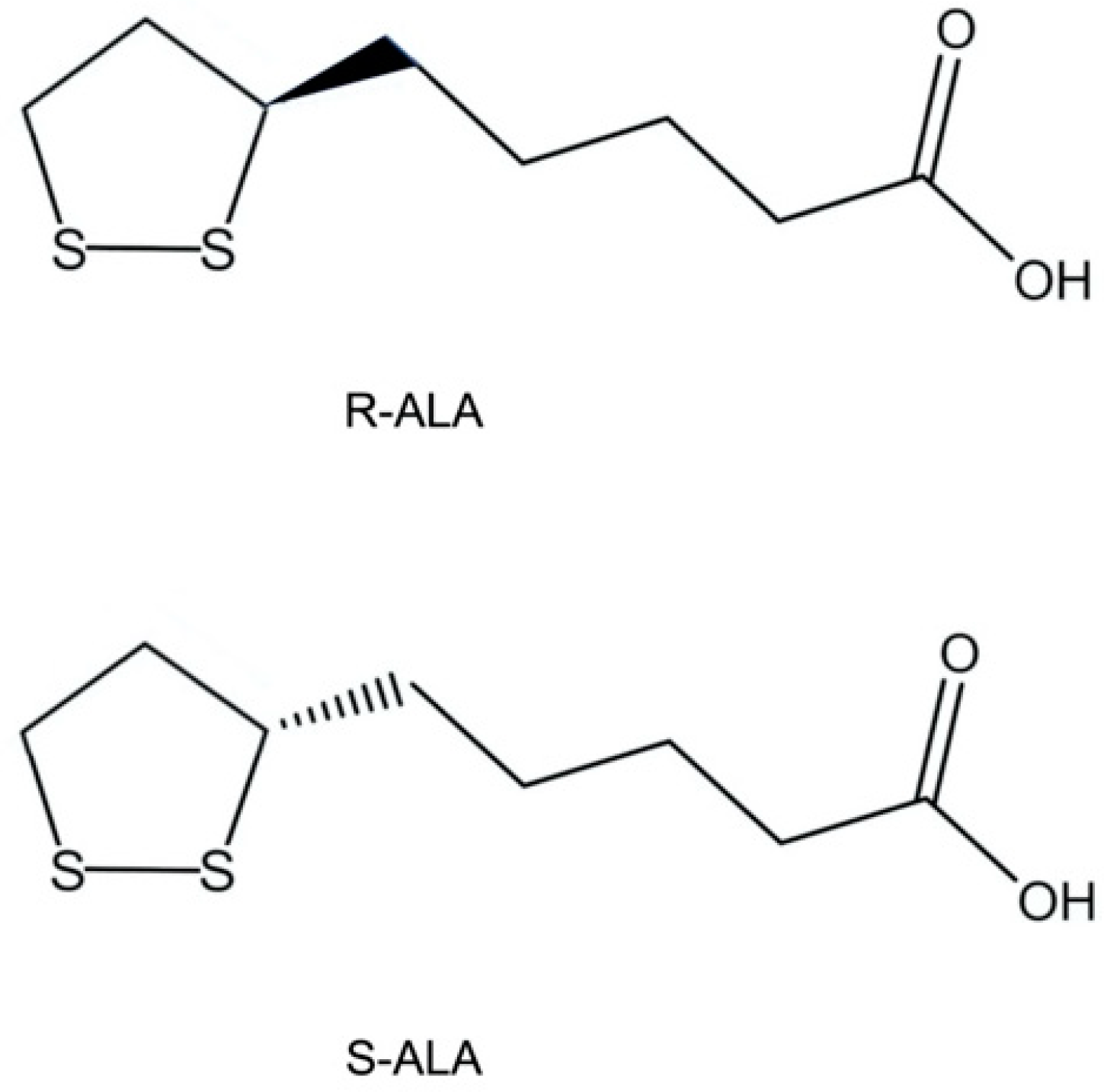
Alpha-lipoic acid is a natural compound made in small amounts by the body. It is also found in foods such as red meat, organ meats, spinach, and broccoli. It is best known for its antioxidant activity and its possible role in blood sugar and nerve health. Because of these properties, alpha-lipoic acid is commonly used in supplements for metabolic and cellular support. Researchers continue to study its effects on energy production, oxidative stress, and overall health. This article looks at its main uses, potential benefits, food sources, safety, and current scientific evidence.
What Is Alpha-Lipoic Acid?
Alpha-lipoic acid, also called 6,8-dithiooctanoic acid, is a fatty acid that can work in both water and fat. The body makes it inside mitochondria, which are the parts of cells that help produce energy. Small amounts are also found in foods such as spinach, broccoli, tomatoes, and yeast. Supplements usually contain a concentrated form of alpha-lipoic acid, often in capsules or tablets.
How Does Alpha-Lipoic Acid Work?
Alpha-lipoic acid works as a mitochondrial cofactor. This means it helps certain enzymes turn nutrients into energy. It also acts as an antioxidant. It can help neutralize free radicals and may help restore other antioxidants, including vitamins C and E. Research also suggests that it may affect pathways involved in glucose use and insulin signaling.
Potential Health Benefits of Alpha-Lipoic Acid
Alpha-lipoic acid has been studied for several areas of health. Research has mainly focused on blood sugar, antioxidant protection, nerve function, and energy production.
Supports Healthy Blood Sugar Levels
Research suggests alpha-lipoic acid may help the body use glucose more effectively by supporting glucose uptake into cells. It is often used as part of a healthy lifestyle that includes a balanced diet and regular exercise. However, its effects can vary from person to person.
Promotes Healthy Antioxidant Defense
Alpha-lipoic acid is well known for its antioxidant activity. It helps the body deal with free radicals, which can contribute to oxidative stress. By supporting the body’s natural antioxidant defenses, it may help protect cells and tissues from everyday oxidative damage.
Assists in Healthy Nerve Function
Alpha-lipoic acid has also been studied for its role in nerve health. Research suggests it may support normal nerve signaling and healthy blood flow to peripheral nerves. Some studies have found benefits for people experiencing nerve discomfort, although results are not the same for everyone.
Supports Healthy Lipid Metabolism
Early research suggests alpha-lipoic acid may help support healthy cholesterol and triglyceride levels. Its antioxidant activity may also support normal blood vessel function. More research is needed to understand how much it can contribute to overall heart health.
May Help Manage Occasional Inflammation
Researchers have studied alpha-lipoic acid for its possible effects on occasional inflammation. It may influence some of the body’s natural inflammatory pathways and help maintain a balanced response. More human research is needed before drawing firm conclusions.
Supports Overall Cellular Energy Production
Alpha-lipoic acid helps enzymes involved in cellular energy production. Because of this role, it helps the body convert nutrients into usable energy. This basic function is important for normal cell activity.
Natural Food Sources
Alpha-lipoic acid is naturally present in small amounts in several foods. Good sources include red meat and organ meats such as liver and heart. Vegetables such as spinach, broccoli, tomatoes, and Brussels sprouts also contain smaller amounts. Yeast and some grains provide trace amounts as well. Food generally provides much smaller amounts than supplements.
Why Is It Included in Dietary Supplements?
Alpha-lipoic acid is commonly found in blood sugar support, antioxidant, and metabolic health supplements. It may be combined with ingredients such as berberine, chromium, or cinnamon. Supplements provide a more concentrated and consistent amount than food, which makes them convenient for people who want to include alpha-lipoic acid in their daily routine.
Safety and Possible Side Effects
Alpha-lipoic acid is generally considered safe for most adults when taken at recommended doses. Some people may experience mild side effects, such as nausea, heartburn, headache, or stomach discomfort. Higher amounts may increase the chance of these effects and may also lower blood sugar. People with health conditions should speak with a healthcare professional before taking high doses.
Precautions and Possible Interactions
Alpha-lipoic acid may interact with some prescription medicines. This is especially important for people taking diabetes medicines because alpha-lipoic acid may add to their blood sugar-lowering effects. It may also interact with thyroid medicines, chemotherapy drugs, or iron supplements. People who are pregnant or breastfeeding should talk with a healthcare professional because safety information is limited. Anyone preparing for surgery or taking regular medicines should seek professional advice before using alpha-lipoic acid supplements.
Current Scientific Research
Researchers continue to study alpha-lipoic acid for metabolic health, antioxidant activity, and nerve function. Current findings are encouraging in some areas, but the strength of evidence varies.
Human Studies
Human studies have looked at alpha-lipoic acid for blood sugar control and nerve health. Some research in people with diabetic neuropathy has reported improvements in nerve-related symptoms. However, the benefits may be less noticeable in people who already have normal blood sugar and healthy nerve function.
Animal Studies
Animal and laboratory studies have examined alpha-lipoic acid for insulin sensitivity, oxidative stress, glucose control, and lipid metabolism. These studies support several possible ways the compound may work in the body. However, results from animal studies cannot always be applied directly to humans.
Overall Evidence
Overall, research suggests alpha-lipoic acid may have useful effects on metabolic and nerve health. However, more large human studies are needed to better understand its long-term benefits, safety, and ideal dosage.
Frequently Asked Questions
What Is Alpha-Lipoic Acid Used For?
Alpha-lipoic acid is mainly used to support antioxidant defenses, healthy blood sugar levels, nerve function, and cellular energy production.
Is It Safe?
It is generally considered safe for most adults when taken at recommended doses. Mild stomach discomfort, nausea, heartburn, or headache may occur in some people.
Can It Be Taken Every Day?
Yes, alpha-lipoic acid is commonly taken daily. It is best to follow the product directions or advice from a healthcare professional.
What Foods Contain It?
Small amounts are found in red meat, organ meats, spinach, broccoli, tomatoes, Brussels sprouts, yeast, and some grains.
Can It Be Combined With Other Supplements?
Alpha-lipoic acid is often combined with ingredients such as berberine, chromium, and cinnamon. If you take prescription medicines, check with a healthcare professional before combining supplements.