Benfotiamine : Benefits, Uses and Side Effects
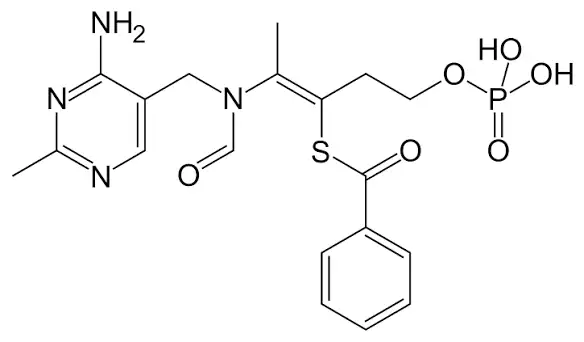
Benfotiamine is a specialized form of vitamin B1 that is commonly used to support nerve health, particularly in people with diabetes-related nerve problems. Unlike standard thiamine, benfotiamine has different absorption and metabolic properties that allow it to reach tissues in a different form. It is available as a dietary supplement and is used to support vitamin B1 intake, nerve function, and overall nutritional health. Research has focused especially on its effects on diabetic neuropathy and other complications associated with low thiamine availability.
Benfotiamine Uses
Benfotiamine is mainly used as a vitamin B1 supplement and for nutritional support related to nerve health. Its most studied use is diabetic peripheral neuropathy, while other uses have received less clinical research. Common uses include:
- Supporting normal vitamin B1 intake
- Supporting healthy nerve function
- Providing nutritional support for diabetic neuropathy
- Supporting normal carbohydrate metabolism
- Supplementing vitamin B1 intake
Benfotiamine Benefits
The main interest in benfotiamine comes from its role in vitamin B1 metabolism and its research in nerve health. Several clinical studies have examined its effects on people with diabetic neuropathy.
Supports Nerve Health
Vitamin B1 is important for normal nerve function and energy metabolism. Benfotiamine provides vitamin B1 in a form that has been specifically studied for nerve-related health. This makes it a common ingredient in supplements designed for people concerned about nerve function.
Supports Diabetic Neuropathy
Diabetic peripheral neuropathy is the most researched area for benfotiamine. High blood glucose over time can contribute to nerve damage and symptoms such as burning, numbness, tingling, and pain. Some clinical trials have reported improvements in neuropathy symptoms after benfotiamine supplementation. However, results have not been consistent across all studies.
Supports Normal Energy Metabolism
Vitamin B1 helps enzymes involved in converting carbohydrates into energy. Adequate thiamine is therefore important for normal cellular energy production. Benfotiamine provides a source of vitamin B1 that the body converts into thiamine-related compounds.
Supports Carbohydrate Metabolism
Thiamine-dependent enzymes play an important role in carbohydrate metabolism. This has led researchers to investigate benfotiamine in conditions associated with high glucose levels. Its role in these metabolic pathways is one reason it continues to receive attention in diabetes research.
Supports Sensory Nerve Symptoms
Research has examined benfotiamine for symptoms including pain, numbness, and tingling associated with diabetic neuropathy. Some studies have reported improvements in these symptoms, although the overall evidence remains mixed.
Benfotiamine Supplement
Benfotiamine supplements are widely available in capsule and tablet forms. Some products contain benfotiamine alone, while others combine it with B6, B12, or other ingredients commonly used in nerve-support formulas. When choosing a benfotiamine supplement, check the following details on the label:
- Benfotiamine amount per serving
- Serving size
- Other active ingredients
- Manufacturer information
- Expiration date
- Third-party testing or certification
How Much Benfotiamine Should You Take?
There is no single dose that applies to everyone. Clinical studies have used different amounts depending on the purpose and study design. Research on diabetic neuropathy has included doses such as 300 mg and 600 mg per day. These research doses should not automatically be treated as personal recommendations.
Follow the product instructions and discuss the appropriate dose with a healthcare professional when using benfotiamine for a medical condition.
Benfotiamine Side Effects
Benfotiamine has generally been well tolerated in short-term clinical studies. Reported problems have usually been mild, although long-term safety information is more limited. Potential side effects include:
- Stomach discomfort
- Digestive changes
- Headache
- Skin reactions
- Allergic reactions
Who Should Be Careful With Benfotiamine?
Although benfotiamine is a vitamin B1 derivative, people with medical conditions or those taking medicines should still consider possible safety concerns. Extra care is appropriate if you:
- Are pregnant or breastfeeding
- Have diabetes or diabetic neuropathy
- Take prescription medicines
- Take several vitamin supplements
- Plan to use a high dose
- Want to replace prescribed treatment with a supplement
Benfotiamine Where to Buy
Benfotiamine is available through online supplement stores, pharmacies, health stores, and other retailers that sell nutritional supplements. Product availability differs by country and retailer. When deciding where to buy benfotiamine, look beyond price and dosage. A reputable product should provide clear labeling and information about its manufacturer and quality testing.
Research and Overall Evidence
Most benfotiamine research has focused on diabetic peripheral neuropathy. Early clinical trials produced encouraging results, particularly for some neuropathy symptoms and pain. Later studies have produced mixed findings. Some trials reported benefits with specific doses, while others did not find significant improvements in their main outcomes.
Overall, benfotiamine has a reasonable scientific basis and some positive clinical findings, but the evidence is not strong enough to consider it a proven treatment for diabetic neuropathy or other nerve conditions.
Frequently Asked Questions
Is benfotiamine the same as vitamin B1?
Benfotiamine is a derivative of vitamin B1. It has different absorption and metabolic properties from standard thiamine and is used in supplements as a source of vitamin B1.
What is benfotiamine mainly used for?
Benfotiamine is mainly used as a vitamin B1 supplement and has been studied extensively for diabetic peripheral neuropathy.
Can benfotiamine help with numbness and tingling?
Some studies have reported improvements in neuropathy symptoms such as numbness, tingling, and pain. However, clinical results are mixed.
Does benfotiamine lower blood sugar?
Benfotiamine is not a blood sugar-lowering treatment. It should not replace diabetes medicines, glucose monitoring, or other recommended diabetes care.
Can you take benfotiamine every day?
Benfotiamine is commonly taken daily in supplement form. The appropriate amount depends on the product and reason for use.
How long does benfotiamine take to work?
Clinical studies have tested benfotiamine for several weeks or longer. There is no fixed timeframe that guarantees symptom improvement.
Can benfotiamine be taken with other B vitamins?
Yes. Many supplements combine benfotiamine with other B vitamins. Check the labels of all supplements you use to keep track of your total intake.
Is benfotiamine better than regular thiamine?
They are different forms of vitamin B1 with different properties. Benfotiamine has received particular research interest because of its absorption and metabolism, but evidence does not establish it as universally better for every purpose.