Black Cohosh: Health Benefits, Uses, and Its Side Effects.
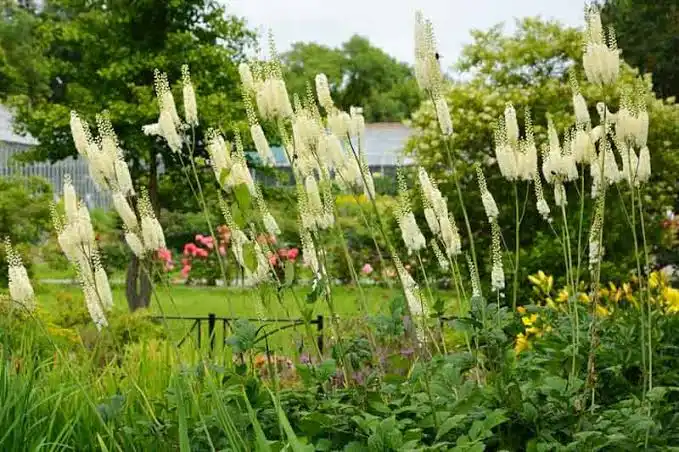
Black cohosh is a flowering plant native to North America. Its root and underground stem, known as the rhizome, are used to make herbal supplements. The plant has a long history of traditional use for women’s health, menstrual concerns, and other conditions. Today, black cohosh is best known as a supplement for menopause symptoms such as hot flashes and night sweats. It is also used for sleep problems, mood changes, and menstrual discomfort. Because research has produced mixed results, it is important to understand its uses, benefits, and safety before using it regularly.
What Is Black Cohosh?
Black cohosh is a perennial plant that belongs to the buttercup family. Its scientific name is Actaea racemosa, although it was previously known as Cimicifuga racemosa. The root and rhizome are the main parts used in herbal supplements. It is available as dried root, powder, liquid extracts, tablets, and capsules. The chemical makeup can vary between products because manufacturers use different extracts and preparation methods. Researchers have not identified one specific compound responsible for all of its effects.
Other Names for Black Cohosh
Black cohosh is also known by several common and historical names:
- Black snakeroot
- Rattlesnake root
- Bugbane
- Rattleweed
- Macrotus
- Cimicifuga
- Actaea racemosa
Why Is Black Cohosh Famous?
Black cohosh is famous mainly because of its use for menopause symptoms. People commonly take it for hot flashes, night sweats, sleep problems, mood changes, and other discomforts associated with menopause. Its popularity also comes from its long history as a traditional herbal remedy and interest in nonhormonal approaches to menopause. Research results are mixed, with some studies reporting symptom improvement and others finding little difference compared with placebo.
Uses and Benefits
Black cohosh is mainly studied for menopause support, with research exploring its potential benefits for common symptoms
Menopause Support
The main use of black cohosh is menopause symptom support. Research has focused especially on hot flashes and night sweats, but results differ between studies. Some research reports improvement, while other studies find no clear benefit compared with placebo. A 2023 review of 22 studies found improvements in overall menopause symptoms and hot flashes with some black cohosh products. However, differences between extracts, doses, and study methods make the results difficult to apply to every supplement.
Support for Sleep and Mood
Black cohosh is also used for sleep problems, irritability, nervousness, and mood changes during menopause. Research on these uses is less consistent than research on overall menopause symptoms and hot flashes. It should not be considered a proven treatment for depression or anxiety. Current research does not show a clear benefit for these conditions.
Menstrual Support
Black cohosh has a history of traditional use for menstrual cramps and other menstrual concerns. Some herbal products also include it in formulas designed for premenstrual symptoms. Research on these uses is limited compared with menopause research. There is not enough strong evidence to consider it a proven treatment for menstrual problems.
Benefits for Women and Men
Black cohosh has been studied mainly in women experiencing menopause. Most research focuses on hot flashes and other menopause symptoms, so its effects in women are much better understood than its effects in men. Research in men is very limited. There is not enough evidence to recommend black cohosh for testosterone support, male hormone balance, or general men’s health.
How Does Black Cohosh Work?
There is no single confirmed explanation for how black cohosh works. Researchers have studied several possible pathways:
- Brain pathways: Researchers have examined its effects on serotonin and other neurotransmitters involved in temperature control and menopause symptoms.
- Estrogen activity: Black cohosh is also studied for its relationship with estrogen.
- Hormone levels: Research has not shown consistent changes in estradiol, LH, or FSH levels.
- Not an estrogen supplement: Because it does not consistently increase estrogen levels, black cohosh is not considered an estrogen supplement.
Black Cohosh Supplements
Black cohosh is available in several supplement forms:
- Capsules
- Tablets
- Liquid extracts
- Dried root
- Powdered root or rhizome
- Menopause formulas containing several herbs
What Are the Side Effects and Risks?
Black cohosh can cause stomach upset, nausea, cramping, headache, dizziness, rash, vaginal spotting, or bleeding. These effects are generally mild when they occur, but they can still be uncomfortable. The main safety concern is liver injury. Rare cases of serious liver problems have been reported in people taking products labeled as black cohosh, although researchers have not always confirmed that black cohosh itself caused the problem.
Product contamination, incorrect ingredients, and combination formulas are also safety concerns. Signs of a serious liver problem include dark urine, yellowing of the skin or eyes, unusual tiredness, and significant abdominal pain. Anyone who develops these symptoms should stop using the supplement and seek medical care.
Who Should Avoid Black Cohosh?
Certain groups should be extra cautious with black cohosh or skip it altogether:
- People with liver disease should speak with a healthcare professional before use.
- Pregnant or breastfeeding people should avoid it because safety is not established.
- People with hormone-sensitive conditions should seek medical advice before use.
- Anyone taking prescription medicines should check for possible interactions.
- People who develop signs of liver problems should stop using it and seek medical care.
Black Cohosh and Menopause Research
Research on black cohosh continues to produce different results. A 2023 review of 22 studies found improvements in overall menopause symptoms and hot flashes with some products, while earlier reviews found insufficient or inconsistent evidence. Safety is another important area of research. Clinical studies have generally reported good tolerance for up to 12 months, but rare reports of liver injury and concerns about mislabeled products continue to receive attention.
Overall Evidence
Research on black cohosh has mainly examined its potential for managing menopausal symptoms, especially hot flashes. Some studies report benefits, while others find little or no clear effect. Differences in extracts, doses, and study designs make the findings difficult to compare. Overall, the evidence remains mixed, and more consistent research is needed.
Frequently Asked Questions
Is black cohosh only for women?
No. Adults of different sexes can use black cohosh, but most research has focused on women experiencing menopause. There is very little evidence supporting its use for men’s hormones or general health.
Does black cohosh contain estrogen?
Black cohosh is not an estrogen supplement. Research has not shown a consistent increase in estrogen levels or other reproductive hormones after taking it.
How long can you take black cohosh?
Clinical studies have examined use for up to 12 months. Because longer-term safety information is limited, regular long-term use should be discussed with a healthcare professional.
Can black cohosh stop hot flashes?
Research results are mixed. Some studies report fewer hot flashes, while other research does not find a clear benefit compared with placebo.
Can black cohosh cause liver damage?
Rare cases of liver injury have been reported with products labeled as black cohosh. The exact cause is not always clear, so symptoms such as dark urine, jaundice, or unusual fatigue require medical attention.
Is black cohosh better than hormone therapy?
There is no evidence that black cohosh is better than hormone therapy. Hormone therapy is one of the most effective treatments for menopause symptoms, while evidence for black cohosh remains mixed.
What Is the Recommended Dose of Black Cohosh?
There is no single standardized dose for all black cohosh products because extracts differ in strength and preparation. Studies have used 40 to 160 mg of black cohosh extract per day, with 40–80 mg daily commonly used for menopause symptoms.