Chamomile Extract: A Complete Guide to This Calming Herb and Its Role in Relaxation, Digestive Comfort, and Skin Wellness
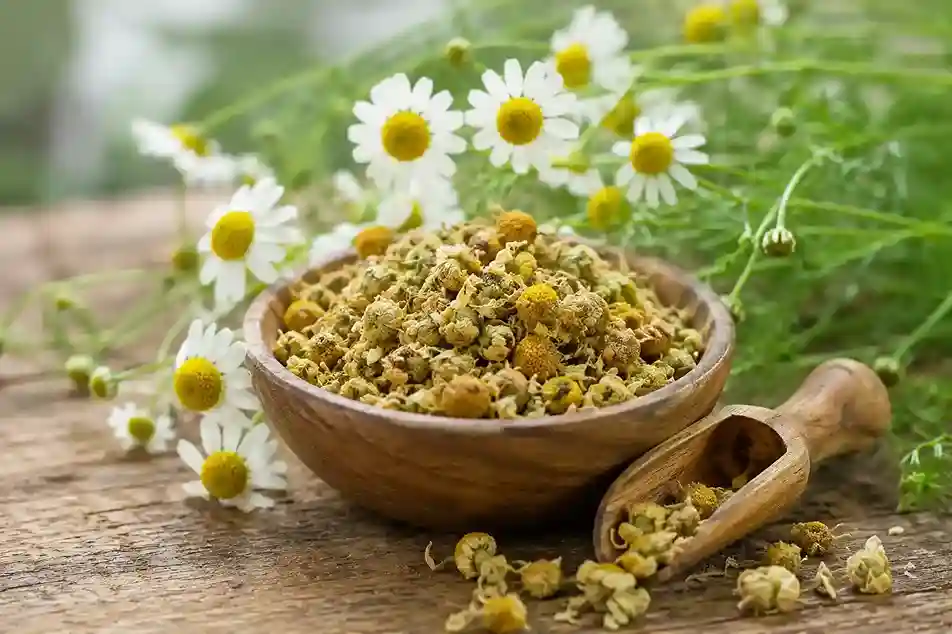
Chamomile extract is a concentrated preparation derived from the dried flowers of Matricaria chamomilla (German chamomile) or Chamaemelum nobile (Roman chamomile), two closely related herbs used for thousands of years. It has become one of the most popular botanical ingredients in supplements, teas, and topical products, valued for its gentle calming and soothing properties. The extract captures key bioactive compounds, including flavonoids and terpenoids, that contribute to its traditional use for relaxation, digestive comfort, and skin support. Because of its mild profile and long history of use, chamomile extract is commonly included in nighttime formulas, digestive blends, and skincare products aimed at supporting overall wellness.
What is Chamomile Extract?
Chamomile extract refers to a concentrated preparation obtained from the dried flower heads of chamomile plants, most often German chamomile (Matricaria chamomilla L.). This species has been widely used in European and Mediterranean traditional medicine for digestive discomfort, mild skin irritation, and general relaxation. Chamomile has been used in European and Mediterranean herbal medicine for centuries as one of the most widely used traditional chamomile remedies.
The extract is typically produced using solvents such as water, ethanol, or glycerin to pull out flavonoids, essential oil components, and other phenolic compounds from the dried flowers. Today, chamomile extract appears in capsules, liquid extracts, teas, and topical formulations, often standardized to key markers like apigenin or total flavonoid content.
How Does Chamomile Extract Work?
Chamomile extract works through a combination of flavonoids, terpenoids, and other phenolic compounds that interact with multiple pathways in the body. Flavonoids such as apigenin, luteolin, and quercetin contribute to antioxidant activity and may influence neurotransmitter systems involved in relaxation. These compounds are rich in chamomile flavonoids and terpenoids that contribute to its calming and antioxidant profile.
Terpenoids like α-bisabolol and chamazulene, found in the essential oil fraction, are associated with soothing and anti-inflammatory effects in both skin and mucous membranes. Together, these compounds help explain chamomile’s broad traditional use for calming the nervous system, supporting digestive comfort, and maintaining healthy skin.
Potential Health Benefits of Chamomile Extract
Chamomile extract is a natural botanical ingredient that has been studied for its potential calming, antioxidant, digestive, and overall wellness-supporting properties.
May Support Relaxation and Sleep
Chamomile is perhaps best known for its gentle calming effects, which is why it is frequently used in evening teas and nighttime supplements. Human trials suggest standardized chamomile extract may modestly improve sleep quality and support relaxation in some individuals. Improvements in sleep latency and nighttime awakenings have been observed in clinical settings using chamomile-related sleep outcomes. These effects are thought to relate to apigenin’s interaction with certain brain receptors involved in calmness and sedation.
May Help with Mild Anxiety
Standardized chamomile extract has been explored for mild to moderate anxiety, with some trials reporting modest reductions in anxiety scores. Clinical findings indicate it may help take the edge off everyday stress without causing significant drowsiness. Benefits have been noted in individuals with generalized anxiety disorder after several weeks of chamomile anxiety supplementation. This makes it a popular choice for daytime calming formulas that do not rely on stronger sedatives.
Supports Digestive Comfort
Chamomile is traditionally used to soothe digestive discomfort, including mild cramping, gas, and bloating. Its antispasmodic and soothing properties are believed to help relax smooth muscle in the gastrointestinal tract, supporting comfortable digestion after meals. This traditional use is reflected in digestive chamomile preparations found in teas and herbal blends across Europe and Asia.
Supports Antioxidant Defense
Chamomile extracts provide phenolic acids and flavonoids that neutralize free radicals and support the body’s own antioxidant enzymes. This antioxidant capacity is thought to contribute to its protective effects in multiple tissues. Strong free radical scavenging activity has been demonstrated in laboratory models, with chamomile antioxidant activity helping neutralize reactive oxygen species. While these effects are well-documented in preclinical studies, their direct clinical impact in healthy adults is still being clarified.
May Soothe Minor Skin Irritation
Topical chamomile preparations have long been used to calm minor skin irritation, redness, and dryness. The essential oil components, particularly chamazulene and bisabolol, are associated with soothing and anti-inflammatory effects in skin and mucous membranes. This is why chamomile extract frequently appears in creams, lotions, and balms designed for sensitive or reactive skin.
Studied for Metabolic Support
Emerging research suggests chamomile may play a supportive role in metabolic health, including healthy blood sugar and lipid balance. Animal and early human studies indicate potential benefits for glycemic control and oxidative stress markers, though more work is needed to define its clinical relevance. These findings are preliminary and should not be interpreted as treatment for any metabolic condition.
Natural Food Sources
Chamomile is not a typical food but is widely consumed as an herbal tea made from dried flower heads. Common sources include:
- Dried chamomile flowers used for tea
- Chamomile tea bags and loose-leaf blends
- Liquid extracts and tinctures added to beverages
- Standardized extracts in capsules and tablets
Because chamomile is primarily used as an herbal remedy rather than a dietary staple, supplements and teas remain the main ways people obtain concentrated extracts.
Why Is It Included in Dietary Supplements?
Chamomile extract is a staple ingredient in relaxation and sleep-support supplements, often combined with magnesium, L-theanine, valerian, or melatonin to create multi-mechanism nighttime formulas. It is also found in digestive blends aimed at post-meal comfort and in topical products designed for sensitive or irritated skin.
Analyses of commercial chamomile extracts show substantial differences in flavonoid content and antioxidant potency between products, even when labeled similarly. Differences in growing conditions, harvest timing, and extraction methods contribute to this variability, as shown in studies of chamomile extract variability. Typical adult doses in studies range from 220 to 1,500 milligrams per day of standardized extract, often divided into two or three doses, though tea remains a popular and gentle delivery method.
Safety and Possible Side Effects
Chamomile is generally well tolerated by most adults when used in typical amounts found in teas and supplements. Mild side effects that have been reported include gastrointestinal upset, drowsiness, and occasional headache, particularly at higher doses.
People with allergies to plants in the Asteraceae family should exercise caution. Risks are specifically noted for those allergic to ragweed, daisies, or chrysanthemums, as outlined in chamomile allergy warnings. Individuals with known allergies to these plants should use particular caution or avoid chamomile altogether.
Precautions and Possible Interactions
Chamomile may interact with certain medications, including blood thinners such as warfarin, sedatives, and immunosuppressants like cyclosporine. Because chamomile can influence blood clotting and central nervous system activity, individuals taking anticoagulants, antiplatelet drugs, or sedative medications should discuss use with a healthcare provider.
Safety during pregnancy and breastfeeding has not been firmly established, and chamomile is not recommended for these populations due to insufficient data. Individuals with bleeding disorders, hormone-sensitive conditions, or those preparing for surgery should also consult a qualified healthcare professional before starting chamomile, as it may influence bleeding risk and anesthetic requirements.
Current Scientific Research
Current scientific research on chamomile extract continues to explore its potential effects on relaxation, sleep, anxiety, digestive health, and other areas, with findings varying across human and preclinical studies.
Human Studies
Human trials have primarily examined chamomile’s effects on anxiety, sleep quality, and digestive comfort, with several studies reporting modest improvements in these areas. A randomized trial in individuals with generalized anxiety disorder found that standardized chamomile extract reduced anxiety scores compared to placebo, supporting its traditional use for nervous tension. Additional work has explored its role in postpartum sleep quality and digestive symptoms, though larger trials are needed to confirm optimal dosing.
Animal Studies
Animal trials have explored chamomile’s antioxidant, anti-inflammatory, gastroprotective, and wound-healing properties across multiple organ systems. Findings suggest it may protect against oxidative damage in the gastrointestinal tract and support tissue repair in skin and mucous membranes. These preclinical results provide a mechanistic basis for some of the traditional uses observed in human herbal practice.
Overall Evidence
Current evidence for chamomile is strongest in the areas of relaxation, mild anxiety support, and digestive comfort, where multiple small human trials show consistent benefits. Evidence for metabolic, skin, and broader antioxidant benefits is promising but remains largely preclinical or based on small human studies, meaning larger, well-designed trials are needed to confirm these effects and establish optimal dosing strategies. Chamomile’s broad use and favorable safety profile make it a useful candidate for future chamomile clinical research.
Frequently Asked Questions
What is Chamomile Extract used for?
Chamomile extract is primarily used to support relaxation, sleep quality, and digestive comfort, with additional interest in its soothing effects on minor skin irritation. It is also studied for antioxidant and metabolic support, though these uses are less established.
Is Chamomile Extract safe?
Chamomile is generally considered safe for most adults when used in typical amounts, with mild side effects like drowsiness or gastrointestinal upset reported occasionally. However, individuals with Asteraceae plant allergies should exercise caution and consult a healthcare provider before use.
Can it be taken every day?
Chamomile can be taken daily, often as tea or in standardized extract form, with many people using it long-term without issue. Experts generally recommend starting with lower doses and monitoring for any sensitivity, especially in those with plant allergies.
What foods contain Chamomile Extract?
Chamomile is not found in typical foods but is widely consumed as an herbal tea made from dried flower heads. Standardized extracts in capsules and liquid form provide more concentrated doses for targeted supplementation.
Can it be combined with other supplements?
Chamomile is often combined with ingredients like magnesium, L-theanine, valerian, or melatonin in relaxation and sleep formulas. Combining supplements should be reviewed with a healthcare professional, especially alongside medications that affect blood clotting or central nervous system function. Chamomile is also studied alongside other calming botanicals in multi-herb relaxation formulas.