Fulvic Acid: Uses, Benefits, Precautions, and Side Effects
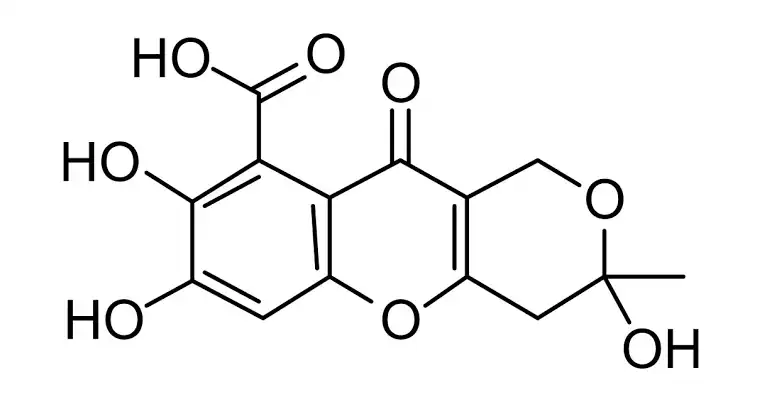
Fulvic acid is a natural substance formed when plant and other organic matter breaks down in soil. It belongs to a group of substances called humic substances and is known for its ability to interact with minerals and other compounds. Fulvic acid is used in some supplements and is being studied for its antioxidant, anti-inflammatory, immune, and digestive effects. However, research in humans is still limited, so many of its claimed health benefits need more study.
What Is Fulvic Acid?
Fulvic acid is a natural part of humic substances that form during the breakdown of organic matter. It has a smaller molecular size and more oxygen-containing groups than humic acid, which gives it different chemical properties. Fulvic acid can come from different natural sources, including soil, peat, and other decomposed organic materials. Because these sources can differ greatly, the quality and makeup of fulvic acid products can also vary.
Benefits of Fulvic Acid
Fulvic acid has been studied for several possible health effects. Most of the evidence comes from laboratory, animal, or small human studies.
1. Provides Antioxidant Support
Fulvic acid contains chemical groups that can interact with reactive molecules. Laboratory research suggests that these properties can help reduce oxidative stress, but the effect in healthy people needs more human research.
2. Supports a Healthy Inflammatory Response
Research has looked at fulvic acid for its ability to affect inflammation-related processes. A small human study of carbohydrate-derived fulvic acid also reported anti-inflammatory effects, but larger studies are needed to confirm these findings.
3. Support Immune Function
Fulvic acid has been studied for its effects on immune activity. Laboratory and early research suggests that it can influence some immune pathways, but there is not enough human evidence to say that fulvic acid can prevent or treat immune-related diseases.
4. Support Digestive Health
Fulvic acid has been studied for possible effects on the digestive system and gut environment. Early research is interesting, but human evidence remains limited and does not yet establish a clear digestive health benefit.
5. Supports Skin Health
Fulvic acid has also been studied for topical skin use. In a small controlled study involving people with eczema, a carbohydrate-derived fulvic acid product was well tolerated and improved some measures of skin symptoms compared with the control treatment.
6. Help Protect Cells From Oxidative Stress
The chemical structure of fulvic acid includes groups such as phenols, carboxylic acids, quinones, and other reactive groups. These properties are being studied for their possible role in protecting cells from oxidative damage.
7. Support Overall Cellular Health
Because fulvic acid can interact with minerals and has antioxidant and other biological properties, researchers are studying its wider effects on cellular health. However, these potential benefits are still being investigated and should not be treated as proven health effects.
What Are the Active Compounds in Fulvic Acid?
Fulvic acid is not a single chemical compound. It is a complex mixture of organic molecules that can vary depending on where it comes from and how it is processed.
Some of the important chemical groups found in fulvic acid include:
- Carboxylic acids
- Phenolic compounds
- Quinones
- Hydroxyl groups
- Carbonyl groups
- Semiquinones
How to Use Fulvic Acid and Dosage ?
Fulvic acid supplements are available as liquid drops, powders, and concentrated forms. There is no standard daily dose because products can differ in source, concentration, and purity.
One small human study tested a specific fulvic acid preparation at doses up to 40 mL twice daily for one week. No severe adverse events were reported, but this research dose should not be treated as a general dosage recommendation. For regular use, follow the product label and choose supplements that clearly state their source, concentration, and contaminant testing.
Fulvic Acid Side Effects
Fulvic acid appears to be tolerated in some short-term studies, but safety depends on the type and purity of the product. Possible concerns include:
- Stomach discomfort
- Nausea
- Changes in bowel movements
- Headache or general discomfort
- Reactions to impurities or contaminants
Who Should Avoid Fulvic Acid?
Fulvic acid may not be suitable for everyone, especially people with certain health conditions or those taking regular medications.
- Pregnancy and breastfeeding: Talk to a healthcare professional before using fulvic acid because reliable safety information is limited.
- Chronic health conditions: People with ongoing health conditions should consult a healthcare professional before taking fulvic acid.
- Prescription medicines: Check with a healthcare professional before use, as supplements interact with certain medications.
- Product quality: Choose products that provide clear information about purity, quality, and contaminant testing.
- Heavy metal concerns: Extra caution is important because some fulvic-acid products have been found to contain harmful levels of heavy metals.
Is Fulvic Acid Similar to Shilajit?
Fulvic acid and shilajit are related, but they are not the same thing. Shilajit is a complex natural material that contains humic substances, including fulvic acid, along with minerals and other compounds. Fulvic acid is therefore one part of the chemical makeup of shilajit rather than another name for shilajit.
Things to Know Before Using Fulvic Acid
Not all fulvic acid supplements are the same. Their chemical makeup can change depending on the natural source, extraction method, and processing. Product quality is one of the most important things to consider. Naturally sourced fulvic acid can contain unwanted minerals or heavy metals, so look for products that provide independent testing for contaminants. It is also important to remember that many claims about fulvic acid come from laboratory or animal research. Human studies are still limited, so fulvic acid should not be used as a replacement for medical treatment.
What Does Research Say About Fulvic Acid?
Research on fulvic acid is still developing. Studies suggest possible antioxidant, anti-inflammatory, immune, digestive, and skin-related effects, but much of the evidence comes from laboratory and animal research. Small human studies suggest that some fulvic acid preparations may be well tolerated and could have benefits for certain skin conditions. However, more human research is needed to confirm its benefits, proper dosage, long-term safety, and effectiveness.
Overall Evidence
Fulvic acid has attracted interest because of its complex chemical structure and potential antioxidant and mineral-binding properties. However, many claims surrounding it come from laboratory or preliminary research rather than well-established human evidence. This means its popularity as a wellness ingredient has moved faster than the science supporting many of its proposed uses. At present, the strongest takeaway is that fulvic acid is an interesting area of research, but its broader health effects remain uncertain.
Frequently Asked Questions
1. What is fulvic acid used for?
Fulvic acid is used in some supplements for general wellness, antioxidant support, and other potential health benefits. Research is still being conducted to determine which benefits are supported by strong human evidence.
2. Is fulvic acid the same as shilajit?
No. Fulvic acid is one group of substances found in shilajit. Shilajit is a much more complex natural material containing fulvic acid, minerals, and other compounds.
3. What is the best dose of fulvic acid?
There is no standard dose for every fulvic acid supplement. Products differ in concentration and composition, so follow the product directions and choose a product that clearly states its concentration and purity.
4. Is fulvic acid safe to take every day?
Long-term human safety data are limited. Product quality also matters because naturally sourced fulvic acid can contain unwanted substances, including heavy metals.
5. Does fulvic acid provide antioxidant benefits?
Laboratory research shows antioxidant activity, but the size and importance of this effect in humans are not yet clear. More clinical research is needed.
6. Who should avoid fulvic acid?
Pregnant or breastfeeding women and people taking prescription medicines should speak with a healthcare professional before using fulvic acid. Anyone with a chronic health condition should also seek professional advice before starting a supplement.