Ginger Root Extract: Benefits, Uses, Dosage & Side Effects
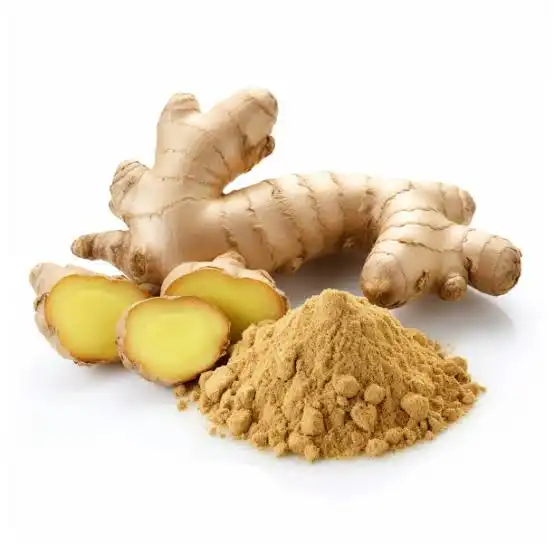
Ginger root extract is a concentrated preparation made from the rhizome of Zingiber officinale. It contains natural compounds such as gingerols, shogaols, and other phenolic compounds. The amount of these compounds can vary based on the ginger variety, processing, and extraction method. Ginger extract is available in capsules, tablets, powders, liquids, and combination supplements.
What Is Ginger?
Ginger (Zingiber officinale) is a flowering plant from the Zingiberaceae family. The part commonly called ginger root is technically a rhizome, which grows underground and stores nutrients for the plant. Ginger has been used in traditional medicine for centuries, particularly for digestive discomfort and nausea. Today, fresh and dried ginger are widely used as foods, while concentrated ginger preparations are sold as dietary supplements. The characteristic taste and aroma of ginger come from its natural plant compounds. Gingerols are more abundant in fresh ginger, while drying and heating can change some gingerols into shogaols.
Types of Ginger and Ginger Extract
Ginger comes in several forms, from fresh culinary ginger to concentrated extracts.
Fresh Ginger
Fresh ginger is the raw rhizome used in cooking, beverages, and traditional preparations. It contains gingerols along with other natural compounds and has a strong, spicy flavor.
Dried Ginger
Dried ginger is produced by removing moisture from fresh ginger. During drying, some gingerols are converted into shogaols, changing the chemical profile and flavor of the ginger.
Ginger Powder
Ginger powder is made by drying and grinding the rhizome. It is commonly used as a cooking spice and is also included in teas and dietary supplements.
Ginger Root Extract
Ginger root extract is a concentrated form of ginger. Depending on the extraction process, it can contain concentrated amounts of gingerols, shogaols, and other plant compounds.
Ginger Essential Oil
Ginger essential oil is an aromatic oil obtained from ginger. It is different from ginger root extract and is mainly used for flavoring, fragrances, cosmetics, and aromatherapy.
Ginger Root Extract Supplement
Ginger root extract supplements are available as capsules, tablets, powders, liquid extracts, and tinctures. Some products contain ginger as the only ingredient, while others combine it with herbs, vitamins, minerals, or other botanical extracts. The concentration of ginger compounds varies between products. When choosing a supplement, check the Supplement Facts label for the amount of ginger extract and any information about standardization.
Ginger Root Extract Benefits
Ginger root extract is widely studied for many health benefits. key health benefits are listed below :
Supports Nausea Relief
Ginger is one of the better-studied herbs for nausea. Research shows that ginger supplements help reduce nausea and vomiting associated with pregnancy. Researchers have also studied ginger for motion sickness, surgery-related nausea, and nausea associated with cancer treatment. Results vary depending on the cause of nausea and the preparation used.
Supports Menstrual Comfort
Ginger has been studied for menstrual cramps and pain. Clinical research shows that ginger supplementation can reduce the severity of menstrual pain in some women. Ginger’s natural compounds have anti-inflammatory activity, which is one explanation researchers have explored for its effect on menstrual discomfort.
Supports Digestive Health
Ginger has a long history of use for digestive problems, including stomach upset and nausea. It also affects gastrointestinal movement, which helps explain its traditional use for digestion. Research is stronger for nausea than for general digestive health, so ginger extract should not be considered a treatment for digestive disorders.
Supports Joint Health
Ginger contains compounds with anti-inflammatory activity, and researchers have studied its use for joint discomfort and osteoarthritis symptoms. Clinical studies have produced mixed results. Ginger extract can be used as a dietary supplement, but it is not a replacement for medical treatment of arthritis.
Provides Natural Plant Compounds
Ginger contains several bioactive compounds, including gingerols, shogaols, paradols, and zingerone. These compounds have antioxidant and other biological activities that researchers continue to study. The amount of these compounds changes with the variety of ginger and the way it is processed.
Supports Metabolic Health
Ginger has been studied for blood sugar, blood lipids, body weight, and other measures of metabolic health. Some clinical studies report improvements in certain markers, while other studies report little change. Research continues to examine how ginger and its active compounds affect metabolic processes.
How Much Ginger Root Extract Should You Take?
There is no single standard dose for all ginger root extracts. Different products use different extraction methods and concentrations, so the amount of extract in one supplement cannot always be compared directly with another. Clinical studies have used different amounts of ginger depending on the health concern being studied. Follow the serving instructions on your supplement label rather than applying a dose from a different ginger product. People using ginger for a specific health condition should discuss the appropriate amount with a healthcare professional.
How to Use Ginger Root Extract
Ginger root extract can be taken in several forms depending on the product:
- Capsules
- Tablets
- Powder
- Liquid extract
- Tinctures
- Tea preparations
What Is the Best Time to Take Ginger Root Extract?
There is no established best time of day to take ginger root extract. It can be taken according to the instructions provided with the specific supplement. Taking ginger with food is a practical option for people who experience stomach discomfort from supplements. People taking medicines should also consider possible interactions before adding ginger extract to their routine.
Ginger Food Sources
Ginger is commonly consumed as a food and beverage ingredient. Fresh and dried ginger can both contribute ginger’s natural plant compounds. Common sources include:
- Fresh ginger root
- Dried ginger
- Ginger powder
- Ginger tea
- Ginger juice
- Pickled ginger
- Ginger used in cooked foods
- Ginger-containing beverages
Ginger Root Extract Side Effects
Ginger is well tolerated by most people when consumed in normal amounts. Higher supplemental amounts can cause digestive discomfort and other side effects.
- Abdominal discomfort
- Heartburn
- Diarrhea
- Gas
- Mouth irritation
- Throat irritation
Precautions and Safety Before Using Ginger Root Extract
Ginger is commonly used as a food, but concentrated extracts require more care. Certain medicines and health conditions can affect whether ginger supplements are suitable.
Blood-Thinning Medicines
Ginger can affect blood clotting and interact with blood-thinning medicines. People taking warfarin or other anticoagulant or antiplatelet medicines should speak with a healthcare professional before using concentrated ginger supplements.
Diabetes Medicines
Ginger can affect blood sugar levels. People taking insulin or other diabetes medicines should monitor their blood sugar and discuss ginger supplementation with a healthcare professional.
Gallstones
People with gallstones should use caution with concentrated ginger supplements. Ginger can increase bile flow, which can aggravate some gallbladder conditions.
Pregnancy
Ginger has been studied for nausea during pregnancy. Pregnant women should discuss concentrated ginger supplements with a healthcare professional before using them, especially at higher amounts.
Before Surgery
Ginger can affect blood clotting, so people preparing for surgery should tell their healthcare provider about any ginger supplements they use.
What Does Research Say About Ginger Root Extract?
Ginger has been studied for nausea, menstrual pain, digestive symptoms, joint health, and metabolic health. Research provides the strongest support for certain types of nausea, especially nausea and vomiting during pregnancy, while studies also support ginger for reducing menstrual pain.
Research on motion sickness, osteoarthritis, blood sugar, and weight has produced mixed results. Differences in ginger preparations, doses, and study designs make the findings difficult to compare. Researchers continue to study compounds such as gingerols and shogaols to better understand their effects.
Overall Evidence
Overall, ginger has the strongest human evidence for nausea and menstrual pain. Research also covers digestion, joint health, blood sugar, and other areas, but the findings are more mixed. The effects can vary depending on the ginger preparation, dose, and active compounds. Ginger root extract is a concentrated form, so its effects and strength depend on the specific product and its formulation.
Frequently Asked Questions
1. What is ginger root extract?
Ginger root extract is a concentrated preparation made from the rhizome of Zingiber officinale. It contains natural compounds such as gingerols and shogaols and is available in several supplement forms.
2. What are the main benefits of ginger root extract?
Ginger root extract is studied for nausea, menstrual discomfort, digestive health, joint health, and metabolic health. Research is stronger for some uses than others.
3. How much ginger root extract should I take?
There is no universal dose for ginger root extract because supplements differ in concentration and preparation. Follow the serving instructions on the product label or ask a healthcare professional for guidance.
4. What is the best time to take ginger root extract?
There is no scientifically established best time to take ginger extract. Taking it with food is a practical choice for people who experience stomach discomfort.
5. What are the side effects of ginger root extract?
Ginger extract can cause abdominal discomfort, heartburn, diarrhea, gas, and mouth or throat irritation, particularly when taken in larger amounts.
6. Can ginger root extract help with nausea?
Yes. Ginger has been studied for several types of nausea, with research showing benefits particularly for nausea and vomiting during pregnancy.
7. Is ginger good for the prostate?
Ginger contains compounds with antioxidant and anti-inflammatory activity, but human research has not established ginger root extract as a treatment for an enlarged prostate, prostatitis, or prostate cancer. People with prostate symptoms should seek appropriate medical evaluation.