Passionflower: Benefits, Uses, Safety, and Scientific Evidence
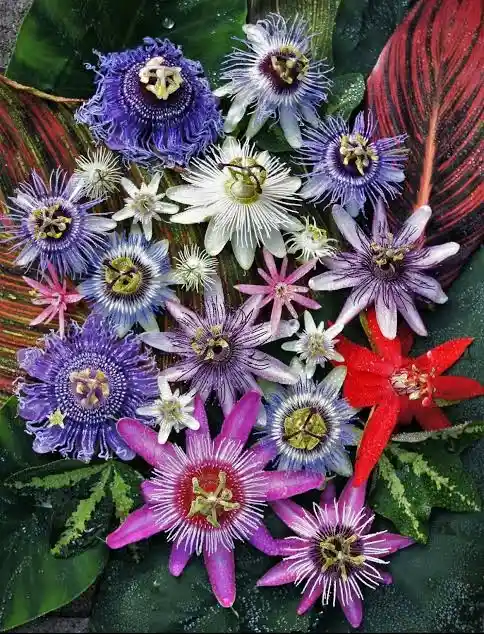
Passionflower is a traditional herbal ingredient used for relaxation and sleep support. It comes from Passiflora incarnata, a climbing plant native to parts of the southeastern United States and Central and South America. Today, passionflower is available in teas, capsules, powders, and liquid extracts. Research has mainly examined its possible effects on relaxation, occasional anxiety, and sleep. Some findings are promising, but the overall evidence remains limited.
What Is Passionflower?
Passionflower mainly refers to the above-ground parts of Passiflora incarnata, including its leaves, stems, and flowers. These parts can be dried and used as tea or processed into liquid and dry extracts. The plant has a long history of traditional use for calming and relaxation. Modern research has focused on its possible effects on the nervous system. Different preparations contain different amounts of active plant compounds. Because of this, research on one extract not apply to every passionflower supplement.
How Does Passionflower Work?
Passionflower contains several naturally occurring plant compounds that affect nervous system activity. Researchers have paid particular attention to gamma-aminobutyric acid, or GABA. GABA is a neurotransmitter involved in regulating nervous system activity. Laboratory and animal studies suggest that some passionflower compounds influence GABA-related pathways. This help explain its traditional use for relaxation and sleep. However, laboratory findings do not always produce the same effects in humans.
Health Benefits of Passionflower
Passionflower has been studied for potential benefits related to relaxation, anxiety, and sleep. The evidence is encouraging in some areas, but many studies are small. Different extracts and research methods also make the findings difficult to compare.
Support Sleep Quality
Some human studies suggest that passionflower support certain aspects of sleep. Early research has reported improvements in sleep duration and other sleep measures. However, results have not been consistent across all studies. The type of preparation, amount used, and study design affect the results.
Help With Occasional Anxiety
Passionflower has been studied for its possible calming effects. Some small clinical studies have reported improvements in anxiety-related measures. A review of clinical research also found promising results. However, the available studies were limited in number and varied in design. More research is needed to confirm these effects.
Promote Relaxation
Passionflower has traditionally been associated with calmness and relaxation. Its possible influence on GABA-related activity is one reason researchers have investigated these effects. It fit into a broader relaxation or bedtime routine. However, research has not established how consistently different preparations produce these effects.
Support Situational Calmness
Researchers have examined passionflower in situations that cause temporary nervousness. Dental procedures are one example that has been studied. Some early research suggests passionflower support a calmer state in these situations. However, the available studies are generally small. Larger clinical trials are needed for stronger conclusions.
Influence Sleep Duration
Some studies have examined whether passionflower affect total sleep time. Preliminary findings suggest that certain preparationsincrease sleep duration in some adults. Results for other sleep measures have been less consistent. Differences in extracts, dosage, and study length make comparisons difficult.
Support Menopause-Related Well-Being
Passionflower has also been explored in research involving menopause-related symptoms. Researchers have considered whether its calming properties support sleep and general well-being. The evidence in this area remains limited. More research is needed before clear conclusions can be made.
Natural Food Sources
Passionflower is not normally eaten as a conventional food. Instead, the above-ground parts of Passiflora incarnata are usually prepared as herbal tea or extracts. Tea and concentrated extracts provide different amounts of plant compounds. Their effects and safety differ.
Why Is It Included in Dietary Supplements?
Passionflower is included in supplements mainly because of its traditional use for relaxation and sleep support. It is available as capsules, tablets, powders, teas, tinctures, and liquid extracts. Some products contain passionflower alone. Others combine it with herbs commonly used for relaxation or nighttime support. Because products vary, check the ingredient list, extract type, and serving information before comparing them.
Safety and Possible Side Effects
Passionflower appears to be reasonably well tolerated when taken orally for short periods. Possible side effects include drowsiness, dizziness, and confusion. These effects may be stronger when passionflower is combined with other substances that cause sleepiness. Anyone experiencing unusual or persistent side effects should speak with a healthcare professional. Long-term safety is less well established. Most available safety information focuses on short-term use.
Precautions and Possible Interactions
Passionflower may increase sedation when combined with certain medicines or substances that cause drowsiness. People taking sedative medications should speak with a healthcare professional before using concentrated passionflower preparations. Extra caution is needed around surgery. Herbal products may interact with anesthesia or other medicines used during a procedure. Anyone planning surgery should tell their healthcare provider about all supplements they use. There is also limited safety information during pregnancy. Anyone who is pregnant or planning pregnancy should seek professional advice before using concentrated herbal preparations.
Current Scientific Research
Research on passionflower has mainly focused on sleep, anxiety, and relaxation. Studies include human clinical trials, animal research, and laboratory investigations. The results are interesting but not always consistent. Researchers often use different extracts, doses, study periods, and methods. These differences make direct comparisons difficult. More standardized research could help clarify which preparations are most promising.
Human Studies
Human research has produced some encouraging findings for anxiety and certain aspects of sleep. Several small clinical studies have reported improvements in anxiety-related measures. Earlier reviews were more cautious because only a limited number of suitable trials were available. Small sample sizes also made firm conclusions difficult. More research has added useful information, but larger controlled trials are still needed.
Animal Studies
Animal and laboratory studies provide information about how passionflower compounds may affect the nervous system. Researchers have investigated possible calming and sedative effects. Some studies have also examined their relationship with GABA-related pathways. These findings can help guide future human research. However, animal results cannot automatically be applied to humans. Differences in species, dosage, extracts, and metabolism can affect the results.
Overall Evidence
Overall, the evidence for passionflower is promising but limited. Research has identified possible effects related to relaxation, anxiety, and certain aspects of sleep. Traditional use provides a long history of experience with the plant. Modern clinical research, however, is still developing. Differences between studies also make it difficult to determine how consistently specific preparationswork. More high-quality research is needed to evaluate effectiveness and long-term safety.
Frequently Asked Questions
What is passionflower commonly used for?
Passionflower is traditionally used for relaxation and sleep support. Modern research has mainly examined its possible effects on anxiety, nervous tension, and sleep quality. The evidence is not strong enough to confirm consistent benefits.
Can passionflower make you sleepy?
Yes. Drowsiness is one of the possible effects associated with passionflower. People should be cautious when combining it with other substances that cause sleepiness.
How long can passionflower be used safely?
Most available safety information focuses on short-term use. The safety of longer-term daily supplementation is less established. Different products may also contain different extracts and concentrations.
Can passionflower be taken before surgery?
Passionflower may interact with anesthesia or other medicines used around surgery. Anyone preparing for a procedure should discuss supplement use with a healthcare professional beforehand.
Is passionflower safe during pregnancy?
There is not enough reliable evidence to establish the safety of supplemental passionflower during pregnancy. Anyone who is pregnant or planning pregnancy should consult a healthcare professional before using concentrated herbal preparations.