Shatavari Root : Benefits for Women, Uses, Dosage, and Safety
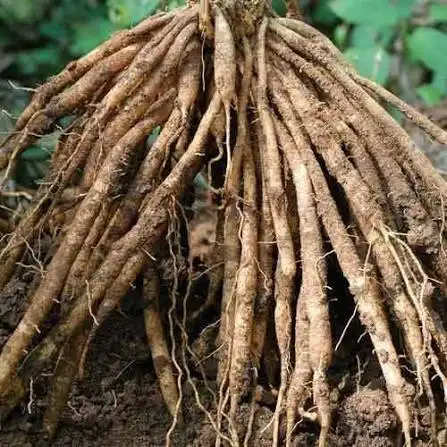
Shatavari has a long history in Ayurvedic medicine, where it has traditionally been used as a rejuvenating herb, particularly for women’s health. Made from the root of Asparagus racemosus, it is native to India and the Himalayan region. Today, shatavari is available in powders, capsules, tablets, and liquid extracts. Modern research is now exploring whether some of its traditional uses can be supported by scientific evidence.
What Is Shatavari?
Shatavari (Asparagus racemosus) is a climbing plant from the asparagus family, recognized by its long, tuberous roots. These roots contain various natural compounds, including steroidal saponins known as shatavarins. Researchers have studied these compounds for their potential biological effects, making them an important focus of modern shatavari research.
Benefits of Shatavari
Shatavari has a long history of use in traditional women’s health practices. Modern research is now examining some of these uses in controlled human studies.
Women’s Reproductive and Hormonal Health
Shatavari has traditionally been used as a restorative herb for women during different stages of life. Its steroidal saponins have attracted research interest because of their possible effects on hormone-related pathways. Some clinical studies have reported improvements in certain measures related to women’s health. However, results can vary depending on the type and strength of the extract used.
Shatavari for Breastfeeding
Shatavari has traditionally been used as a galactagogue, an herb intended to support breast milk production. A randomized, double-blind, placebo-controlled study of 120 postpartum women found that 300 mg of shatavari extract twice daily for 72 hours increased milk production and led to earlier breast fullness compared with placebo.
Shatavari for Menopause
Menopause is another growing area of shatavari research. An 8-week randomized study of 135 women aged 45 to 65 examined standardized shatavari extract alone and combined with ashwagandha. Researchers looked at menopause symptoms, stress, quality of life, mood, and hot flashes. The findings add to interest in standardized shatavari extracts for some menopause-related concerns.
Stress and Adaptogenic Support
Shatavari has traditionally been viewed as a restorative and rejuvenating herb. Researchers are also studying its possible effects on stress-related pathways. Some evidence comes from animal and laboratory studies, while newer human research has reported improvements in perceived stress. More human research is needed before broader adaptogenic benefits can be confirmed.
Digestive and Immune Support
Traditional Ayurvedic use includes shatavari for digestive discomfort and stomach health. Laboratory and animal studies have also explored possible gastric-protective, anti-ulcer, and immune-related effects. These findings are interesting but remain mostly preclinical. They are not enough to establish shatavari as a treatment for digestive disease, ulcers, or immune disorders.
Other Health Benefits
Researchers have also studied the biological properties of Asparagus racemosus. These findings help explain why shatavari continues to attract interest beyond its traditional uses.
Hormonal and Phytoestrogen Activity
Some shatavari compounds have shown estrogen-related activity in experimental studies. This is one reason the herb is being studied for hormonal balance and menopause. However, effects depend on the extract, dose, and individual. More human research is needed to understand its actual hormonal effects.
Antioxidant and Anti-Inflammatory Effects
Shatavari contains bioactive compounds with antioxidant activity, and laboratory and animal studies suggest that its extracts help protect against oxidative stress. Researchers have also examined possible effects on inflammatory pathways. Most of this evidence is preclinical, so it is not yet clear whether supplementation produces the same effects in humans.
Gut Health and General Vitality
Shatavari has traditionally been associated with digestive comfort, nourishment, strength, and vitality. Experimental studies have also explored its possible protective effects on the stomach lining. These findings support further research, but they should not be considered proof that shatavari can treat ulcers or improve energy and vitality in everyone.
Shatavari Dosage and How to Take It
Shatavari comes in several forms, including root powder, churna, capsules, tablets, and liquid extracts.
- Powder or churna: Can be mixed with warm milk, water, or food and is closer to traditional use.
- Capsules or tablets: Convenient and provide a measured serving.
- Liquid extracts: Suitable for those who prefer a liquid form.
Dosage varies: There is no universally established shatavari dosage. Research has used different amounts depending on the extract and purpose. These research doses should not be treated as general dosage recommendations.
Taking shatavari: It is traditionally mixed with warm milk or food. Taking it with food also help reduce mild digestive discomfort. Always check the product label and follow the manufacturer’s directions, as the strength of shatavari supplements can vary.
Shatavari Powder vs Shatavari Capsules
Both forms provide Asparagus racemosus root, but they differ in convenience and preparation.
| Feature | Shatavari Powder | Shatavari Capsules |
|---|---|---|
| Preparation | Traditional dried root | Powder or extract in a capsule |
| Convenience | Requires mixing and measuring | Easy to take |
| Serving size | Usually measured manually | Pre-measured |
| Common use | Ayurvedic preparations | Modern supplements |
Shatavari Side Effects
Shatavari appears to be well tolerated in short-term human studies, but some people experience side effects.
- Digestive discomfort: Some people may experience stomach upset or other digestive symptoms.
- Allergic reactions: Allergic reactions are possible, especially in people sensitive to plants in the asparagus family.
- Asparagus allergy: People with an asparagus allergy should use particular caution because shatavari belongs to the Asparagus genus.
- Long-term safety: The long-term safety of shatavari is not well established, particularly when using concentrated extracts or higher doses.
Safety and Precautions
People with hormone-sensitive conditions should speak with a healthcare professional before using shatavari. Its possible hormone-related activity be important when a condition or medication is affected by hormonal pathways. Pregnant women should also seek professional advice before using concentrated shatavari supplements. Anyone taking prescription medicines or managing a chronic condition should discuss supplementation with a healthcare professional first.
What Does Research Say About Shatavari?
Research on shatavari is growing, particularly in women’s health. Controlled studies have reported potential benefits for some menopause-related symptoms and postpartum breastfeeding outcomes when specific standardized extracts are used.
However, many claims about fertility, PCOS, immune health, digestion, and general vitality still depend on traditional use or preclinical research. More large and longer-term human studies are needed. The type of extract also matters. Results from one standardized product cannot automatically be applied to every powder, capsule, or herbal blend sold as shatavari.
Overall Evidence
Overall, shatavari has a long history of traditional use and some encouraging early human research. The strongest current interest is around women’s health, particularly breastfeeding and menopause. Evidence for many other claimed benefits is still limited. More high-quality studies are needed to understand the best dose, extract type, long-term safety, and which benefits are most reliable.
Frequently Asked Questions
What is shatavari used for?
Shatavari is traditionally used for women’s reproductive health, breastfeeding, digestion, vitality, and stress support. Modern research has focused particularly on breastfeeding and menopause.
Is shatavari good for hormonal balance?
Shatavari contains compounds with hormone-related activity, but more research is needed to understand its overall effects in humans.
Can shatavari help with menopause symptoms?
Some studies suggest that certain standardized shatavari extracts help with menopause-related concerns, including hot flashes, stress, and quality of life.
Is shatavari good for breastfeeding?
A recent randomized trial found that shatavari root extract increased expressed milk volume during the first 72 hours after childbirth. Breastfeeding women should still discuss supplementation with a healthcare professional.
Can women take shatavari for fertility?
Shatavari has a long traditional connection with fertility and reproductive health. However, current human evidence is not strong enough to consider it a fertility treatment.
Is shatavari useful for PCOS?
Shatavari is sometimes promoted for PCOS, but clinical evidence specifically supporting its use for PCOS remains limited.
What is the usual shatavari dosage?
There is no universal dose. Research has used different amounts depending on the extract and health goal, so product directions or professional guidance should be followed.
What are the main shatavari side effects?
Short-term studies suggest that shatavari is generally well tolerated. Digestive discomfort and allergic reactions are possible, while long-term safety data remain limited.