Complete Guide to Spermidine: Benefits, Mechanisms, and Longevity Science
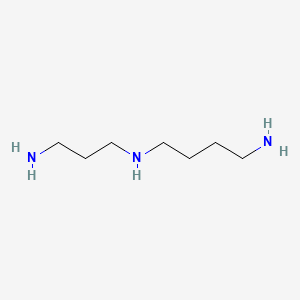
Spermidine has gained attention in recent years for its connection to cellular health and healthy aging.
It is naturally found in the body and in a variety of foods. Researchers continue to study its potential role in supporting long-term cellular function. Spermidine is a naturally occurring polyamine that supports important cellular processes, including cellular renewal. Since natural spermidine production decreases with age, some people use dietary supplements to support their intake and overall wellness.
What is Spermidine?
Understanding what spermidine is helps explain why it has become a popular topic in longevity research.
This naturally occurring compound is involved in several important processes within the body. Its presence in both human tissues and foods makes it particularly interesting to researchers. Scientifically classified as a biogenic polyamine, spermidine is involved in cell growth, proliferation, and survival. The body produces it naturally, and it is also obtained through food and the activity of the gut microbiome. It is now commonly found in supplements focused on longevity and cellular health.
How Does Spermidine Work?
Spermidine works through several biological pathways that help cells maintain normal function.
One of its most studied roles is related to the body’s natural cellular cleanup system. These mechanisms are an important part of current research into healthy aging. Spermidine is best known for supporting autophagic pathways, which help cells remove damaged organelles and misfolded proteins. It also plays a role in protein production and cellular maintenance, potentially helping preserve healthy cell function as we age.
Potential Health Benefits of Spermidine
Spermidine has been investigated for several potential benefits related to cellular and whole-body health.
Research has explored its effects on areas such as cardiovascular, cognitive, immune, hair, and metabolic health. The evidence varies by area, with some benefits supported mainly by early or observational research.
Supports Cellular Renewal Processes
Cellular maintenance is essential for keeping tissues functioning properly over time.
Spermidine is particularly interesting because of its connection with the body’s natural recycling processes. This is one of the main areas studied in spermidine research.
Research suggests that spermidine supports cellular renewal by promoting natural intracellular clearance. By encouraging autophagy, it may help the body remove dysfunctional cellular components and maintain tissue resilience. This process may be particularly relevant for supporting healthy function during aging.
Promotes Cardiovascular Wellness
Heart and blood vessel health are important parts of healthy aging. Researchers have investigated whether spermidine may support several cardiovascular functions. Early findings have shown promising associations with certain cardiovascular markers.
Preliminary research suggests that spermidine may support healthy blood pressure and overall cardiovascular wellness. Studies have explored its potential role in maintaining arterial elasticity and reducing vascular stiffness. These effects may contribute to a healthier cardiovascular profile during aging.
May Assist Cognitive Maintenance
Brain health is another area attracting growing interest in spermidine research. Scientists are exploring how its cellular effects may influence neurological function. Much of the current evidence remains preliminary and requires further human research.
Emerging research suggests that spermidine may support cognitive and neurological health. Its role in cellular clearance may help the body manage damaged proteins and oxidative stress. These potential effects are being studied for their relevance to memory and brain function, particularly in older adults.
Supports Healthy Immune Responses
The immune system relies on healthy cellular activity and balanced inflammatory responses. Spermidine has been studied for its possible role in supporting these processes. Researchers continue to examine how polyamines influence immune-cell function.
Spermidine may help maintain balanced immune activity by supporting immune-cell function and metabolic flexibility. Its effects on cellular maintenance may also contribute to healthy inflammatory responses. However, more research is needed to understand its practical benefits for immune health.
Nourishes Healthy Hair Follicles
Healthy hair growth depends on the normal function of hair follicles and their growth cycle.
Researchers have explored whether polyamines such as spermidine may influence this process.
This has led to interest in spermidine as an ingredient in some hair-focused products.
Research has explored the relationship between spermidine and the growth cycle of the human hair follicle. Adequate cellular levels may support the active growth phase of hair and healthy follicle function. Spermidine is therefore included in some oral and topical products focused on hair vitality.
Assists in Metabolic Balance
Healthy metabolism depends on efficient nutrient use and cellular energy management. Spermidine has attracted interest because of its effects on cellular maintenance. Early research is exploring whether these effects may support metabolic health during aging.
Preliminary research suggests that spermidine may support healthy metabolic function and insulin sensitivity. By supporting cellular clearance in tissues such as the liver and skeletal muscle, it may help maintain efficient nutrient use. Research is continuing to explore its potential role in healthy energy and lipid metabolism.
Natural Food Sources
Spermidine is not limited to dietary supplements and can be found naturally in many foods. The amount can vary depending on the food, variety, and preparation method. Including a variety of whole foods can provide a natural source of dietary spermidine. Plant-based foods are generally among the richer dietary sources. Some excellent dietary sources include:
- Wheat germ and whole-grain cereals
- Aged cheeses, such as cheddar and blue cheese
- Soybeans and fermented soy products like natto
- Mushrooms, particularly shiitake and maitake
- Green peas and cruciferous vegetables
Why Is It Included in Dietary Supplements?
Spermidine has become a common ingredient in products focused on longevity and cellular health.
Its connection with autophagy is one reason supplement manufacturers are interested in it. Some products also combine it with other ingredients used in healthy-aging formulations.
Since natural spermidine production may decline with age, supplementation can help increase dietary intake. It is sometimes combined with ingredients such as resveratrol, fisetin, and quercetin in formulations focused on cellular senescence and overall cellular health.
Safety and Possible Side Effects
Like any dietary supplement, spermidine should be used thoughtfully and according to product directions.
Most healthy adults appear to tolerate it well when used appropriately. However, some people may experience mild digestive effects when first taking it.
Spermidine is generally well tolerated by healthy adults when consumed according to recommended guidelines. Some people may experience mild gastrointestinal effects, such as bloating or abdominal discomfort, especially when starting higher amounts. Beginning with a lower amount may help the body adjust more comfortably.
Precautions and Possible Interactions
Although spermidine is naturally present in the body and in foods, supplementation may not be appropriate for everyone. Certain groups should take extra care because safety information is limited.
Discussing supplementation with a healthcare professional can help identify potential concerns.
Pregnant or breastfeeding individuals should avoid spermidine supplementation because comprehensive safety data are limited. People with active malignancies or certain cellular disorders should consult a healthcare professional before use. Those taking medications or preparing for surgery should also seek professional advice before starting supplementation.
Current Scientific Research
Research into spermidine continues to expand across human studies and laboratory models.
Scientists are particularly interested in its connection with cellular maintenance and healthy aging.
However, the strength of evidence differs between potential benefits.
Human Studies
Human studies provide useful insights into how dietary spermidine may relate to health.
Much of the available evidence comes from observational research rather than large clinical trials.
Ongoing studies are helping researchers better understand its potential effects.
Human observational research has found associations between higher dietary spermidine intake and healthier cardiovascular parameters, including blood pressure and arterial function. Clinical research is continuing to investigate its potential effects on cognitive and metabolic health in older adults.
Animal Studies
Animal research has helped scientists investigate spermidine’s biological mechanisms in greater detail.
These studies have produced several promising findings related to aging and cellular health.
However, animal results do not necessarily translate directly to humans.
Studies in mice and other laboratory models have reported potential benefits involving lifespan, cardiac function, and mitochondrial activity. These findings support further investigation but should be interpreted cautiously until more evidence from human studies becomes available.
Overall Evidence
The current evidence surrounding spermidine is encouraging but still developing. Its cellular mechanisms are well studied, while many health benefits remain under investigation. More high-quality human research is needed before firm clinical conclusions can be made.
Research is particularly promising regarding spermidine’s cellular mechanisms and findings from animal models. However, larger and longer-term randomized controlled trials in humans are still needed to confirm its benefits and determine appropriate dosing for age-related conditions.
Frequently Asked Questions
What is spermidine used for?
Spermidine is mainly used to support cellular renewal, healthy aging, and overall cellular function. It is particularly known for supporting the body’s natural autophagy process.
Is it safe to consume daily?
Spermidine is generally well tolerated by healthy adults when taken according to recommended serving sizes. Mild digestive discomfort may occur in some people, particularly when starting supplementation.
Can it be taken every day?
Spermidine is commonly taken daily as part of a consistent wellness routine. Users should follow the dosage instructions provided on the product label and seek professional advice when appropriate.
What foods contain this ingredient?
Spermidine is naturally found in foods such as wheat germ, whole grains, aged cheeses, soybeans, natto, mushrooms, green peas, and some cruciferous vegetables.
Can it be combined with other supplements?
Spermidine is sometimes combined with longevity-focused ingredients such as resveratrol, quercetin, fisetin, or NAD+ precursors. If you take medications or have an existing medical condition, consult a healthcare professional before combining supplements.