
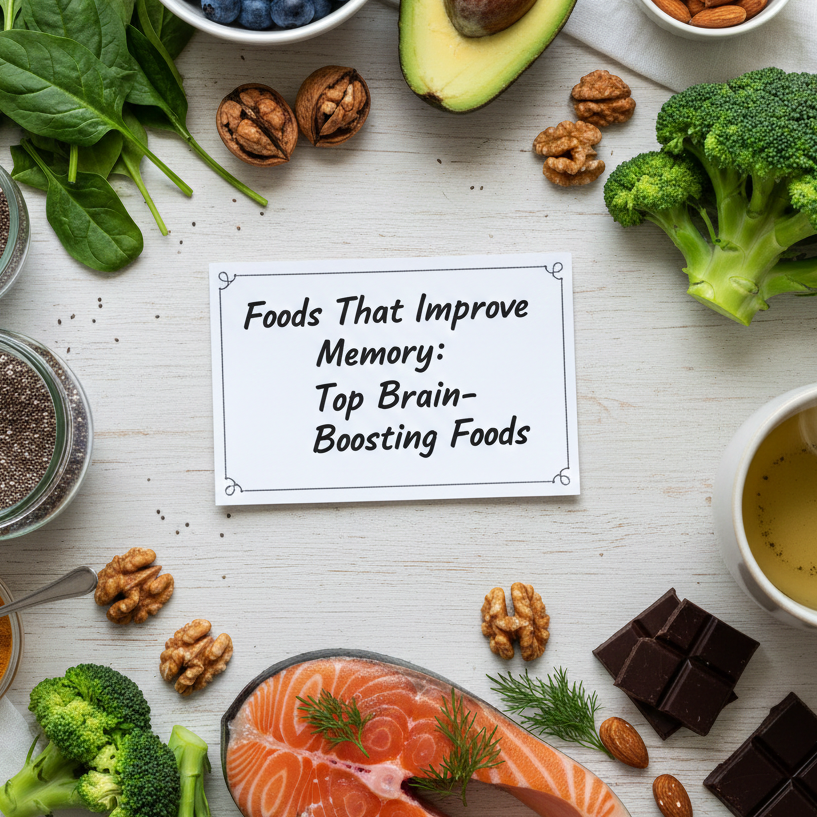
Foods that improve memory are nutrient-dense foods which are rich in omega-3 fatty acids, antioxidants, vitamins (K, E), that protect brain cells, reduce inflammation, and enhance mental activities. Examples include fatty fish, blueberries, walnuts, leafy greens, and dark chocolate, which support memory, focus, and long-term brain health.
Key takeaways:
- Foods like fatty fish, blueberries, leafy greens, eggs, nuts, and dark chocolate are packed with nutrients that directly feed and protect your brain, improving memory, focus, and mental clarity over time.
- Refined sugar, processed foods, trans fats, and excess alcohol damage brain cells, cause inflammation, and slowly weaken your ability to remember and think clearly, so reducing these is just as important as adding good foods.
- Your brain specifically needs omega-3 fatty acids, antioxidants, choline, vitamin K, B vitamins, and healthy fats to function at its best and the easiest way to get all of these is through a varied, whole-food diet.
- Eating brain-boosting foods works best when combined with regular exercise, enough sleep, staying hydrated, and managing stress together these habits create the strongest possible foundation for a sharp, healthy memory at any age.
What is Brain-Boosting Food
Memory-boosting foods are nutrient-dense foods that support brain function, enhance cognitive performance, and help protect against memory loss. These foods are rich in antioxidants, healthy fats, vitamins, and minerals that nourish the brain, improve communication between neurons, and reduce inflammation (which act as the defense for the injury), all of which are essential for sharp memory and mental health.
Why are Nutrition important for the body
The brain is one of the most metabolically active organs in the body, consuming about 20% of your daily calories. What you eat directly affects the structure and function of your brain. A diet rich in brain-supporting nutrients helps build and repair brain cells, regulate neurotransmitters, reduce stress, improve blood flow to the brain, and lower the risk of declining senses in the body and diseases. Poor nutrition, on the other hand, can lead to brain fog, memory loss, and long-term damage in the body.
Top 9 Brain-Bosting Foods That Improve Memory
Eating the right foods is one of the most powerful things you can do for your brain. The foods you choose every day directly affect how well you remember things, how clearly you think, and how well your brain holds up as you age. Here are the top nine brain-boosting foods that science has proven can sharpen your mind and protect your memory.
- Fatty Fish
Fatty fish includes salmon, sardines, mackerel, herring, and trout. These are oily fish that are found in both fresh and saltwater and are widely available in most grocery stores either fresh, frozen, or canned. They are one of the most nutritionally complete foods you can eat for overall health and are especially powerful for the brain.
Why does it help the brain:
- It contains DHA omega-3 fatty acid which makes up a large part of your actual brain tissue and keeps brain cells healthy and flexible
- It reduces inflammation inside the brain through EPA omega-3 which is one of the main causes of memory loss and cognitive decline
- It helps brain cells communicate more clearly and efficiently with each other which is essential for storing and recalling memories
- It increases the amount of gray matter in the brain the tissue directly responsible for memory, learning, and decision making
- Low levels of DHA have been directly linked to slower thinking, poor memory, and a higher risk of Alzheimer’s disease
How to eat:
- Aim to eat fatty fish at least two to three times per week.
- A serving size of around 100 to 150 grams is ideal.
- If you do not like fish you can get some omega-3 benefits from walnuts, flaxseeds, and chia seeds, though these are less efficient sources.
- Berries
Blueberries are small, sweet, deep-blue fruits that are available fresh or frozen year-round. Other beneficial berries include strawberries, raspberries, blackberries, and cherries. All of these berries are affordable, widely available, and incredibly versatile, they can be eaten on their own or added to almost any meal or snack.
How does it help the brain:
- They are packed with flavonoids and anthocyanins which are powerful antioxidants that protect brain cells from damage caused by aging and stress.
- Their compounds are small enough to cross the blood-brain barrier meaning they can get directly inside the brain and protect neurons from the inside.
- They improve communication between brain cells which helps the brain store and retrieve memories more accurately.
- They stimulate neuroplasticity which is the brain’s ability to form new connections and adapt to new information.
- Research shows that eating berries regularly can delay memory aging by up to two and a half years compared to those who rarely eat them.
How to eat:
- Try to eat at least half a cup of mixed berries every day.
- Fresh or frozen berries are equally beneficial.
- Add them to your breakfast oatmeal, blend them into a smoothie, mix them into yogurt, or simply eat a handful as a snack.
- Dark chocolate
Dark chocolate is chocolate made with a high percentage of cacao ideally 70% or more. Unlike milk chocolate which is high in sugar and low in beneficial compounds, dark chocolate retains the powerful nutrients naturally found in cacao beans. It has a slightly bitter taste compared to regular chocolate but is widely available in most supermarkets and health food stores.
How does it help the brain:
- It contains flavonoids that accumulate in the hippocampus which is the part of the brain most responsible for forming and storing new memories.
- It stimulates the growth of new brain cells and strengthens connections between existing neurons supporting long term memory.
- It improves blood flow to the brain through nitric oxide production meaning more oxygen and nutrients reach your neurons.
- The caffeine in dark chocolate boosts short term alertness focus and working memory.
- Studies show that regular consumption of high flavanol dark chocolate significantly improves memory performance especially in older adults.
How to eat:
- One to two small squares of dark chocolate around 20 to 30 grams per day is sufficient to get brain benefits.
- Choose chocolate with at least 70% cacao and as little added sugar as possible.
- More is not necessarily better since dark chocolate is calorie-dense.
- Leafy Green vegetables
Leafy green vegetables include spinach, kale, broccoli, Swiss chard, collard greens, arugula, and romaine lettuce. These are among the most nutrient-dense vegetables available and can be eaten raw in salads, cooked in stir-fries and soups, blended into smoothies, or sauteed as a side dish. They are affordable, widely available, and incredibly versatile in the kitchen.
How does it help the brain:
- Vitamin K in leafy greens maintains the protective coating around nerve fibers that allows brain signals to travel quickly and efficiently
- Folate reduces homocysteine levels in the blood — high homocysteine is directly linked to brain shrinkage and memory problems
- Lutein and beta carotene are antioxidants that accumulate in brain tissue and shield neurons from oxidative damage
- Research found that eating just one serving of leafy greens daily makes your brain function like someone 11 years younger
- Broccoli contains sulforaphane which activates the brain’s own natural defense systems against inflammation and cell damage
How to eat:
- Aim for at least one to two servings of leafy greens every day.
- One serving is approximately one to two cups of raw greens or half a cup of cooked greens.
- Adding a large handful of spinach to a smoothie is one of the easiest ways to hit this target without even tasting it.
- Avocados
Avocados are creamy, green-fleshed fruits that are unique among fruits for their high content of healthy fats rather than sugar. They are widely available in most grocery stores and are incredibly versatile. They can be eaten on toast, added to salads, blended into smoothies, used as a dip, or eaten plain with a little salt and lemon juice.
How does it help the brain?
- They are rich in monounsaturated fats that support healthy blood flow to the brain ensuring neurons receive a constant supply of oxygen and glucose
- Good blood flow to the brain is directly linked to sharper memory, better concentration, and faster thinking
- They contain vitamin K and folate which protect neurons and support the production of brain chemicals that regulate memory and mood
- Lutein in avocados accumulates in brain tissue and is associated with better learning efficiency and memory accuracy in research studies
- Potassium in avocados helps maintain healthy blood pressure which is a major factor in preventing vascular dementia and cognitive decline
How to eat?
- Half to one whole avocado eaten three to five times per week is an ideal amount.
- Because avocados are calorie-dense due to their fat content, one avocado or half per serving is sufficient to get meaningful brain benefits without excessive calorie intake.
- Eggs
Eggs are one of the most complete, affordable, and versatile foods in existence. They can be scrambled, boiled, poached, baked, or made into omelets and are available at virtually every grocery store worldwide. Both the egg white and the yolk contain important nutrients, though the yolk is where most of the brain-specific nutrients are concentrated.
How does it help the brain?
- They are the single best dietary source of choline which the brain uses to produce acetylcholine the neurotransmitter most directly involved in forming and recalling memories
- Without adequate choline the brain struggles to encode new information and retrieve stored memories efficiently
- Higher choline intake is consistently linked in research to better verbal memory and a reduced risk of cognitive decline in older adults
- B vitamins in eggs including B6 B12 and folate keep homocysteine levels in check which protects the brain from shrinkage and damage
- Vitamin B12 specifically maintains the protective coating around nerve fibers that allows the brain to transmit signals quickly and accurately
How to eat?
- One to two eggs per day is a practical and beneficial amount for most healthy adults. Two eggs
- provide approximately 300 milligrams of choline which covers a significant portion of the daily recommended intake.
- Boiled or poached eggs are the healthiest preparation methods as they require no added fats.
- Grains
Whole grains are grains that have been minimally processed and still contain all three parts of the grain kernel: the bran, germ, and endosperm. Common whole grains include oats, brown rice, quinoa, whole wheat bread and pasta, barley, rye, and buckwheat. They are widely available, affordable, and easy to incorporate into any meal of the day as a replacement for refined grain products like white bread, white rice, and regular pasta.
How does it help the brain?
- They release glucose slowly and steadily into the bloodstream providing the brain with a consistent reliable supply of energy throughout the entire day
- Unlike refined carbs that cause blood sugar spikes and crashes whole grains prevent the brain fog and memory lapses that follow energy crashes
- They are rich in B vitamins including thiamine niacin and folate that support the health of nerve cells and the production of neurotransmitters
- Oats contain beta glucan fiber that supports a healthy gut which is increasingly recognized as an important factor in brain function and mood
- Consistent stable brain energy from whole grains supports sustained attention working memory and mental stamina over long periods
How to eat?
- Try to make whole grains your primary carbohydrate source at every meal.
- Aim for two to three servings of whole grains per day.
- Start your morning with oatmeal, choose whole wheat or rye bread over white bread, and swap white rice for brown rice or quinoa at lunch and dinner.
- Small consistent swaps made over time add up to significant brain health benefits.
- Coffee and Green Teas
Coffee is made from roasted coffee beans and is one of the most widely consumed beverages in the world. Green tea is made from minimally processed Camellia sinensis leaves and is particularly popular across Asia. Both beverages are readily available virtually everywhere and can be enjoyed hot or cold. They are two of the most studied beverages for their effects on brain health and cognitive performance.
How does it help the brain?
- Caffeine blocks adenosine a brain chemical that builds up throughout the day and causes mental fatigue resulting in improved alertness focus and short term memory
- Long term regular coffee consumption has been linked in major studies to a significantly reduced risk of Alzheimer’s and Parkinson’s disease
- Green tea contains L-theanine which promotes calm relaxed focus and increases alpha brain wave activity ideal for sustained concentration and learning
- The combination of caffeine and L-theanine in green tea produces smooth mental clarity without the jitteriness that coffee alone can sometimes cause
- Green tea also contains EGCG a powerful antioxidant that protects brain cells from damage and has shown promise in research as a protective factor against cognitive decline
How to eat?
- One to three cups of coffee per day is the range most associated with brain benefits.
- Two to four cups of green tea per day is ideal for cognitive support.
- Avoid adding excessive sugar or artificial creamers which counteract the brain benefits.
- Avoid consuming either beverage too close to bedtime as disrupted sleep will impair memory consolidation.
- Fruits
Citrus fruits include oranges, grapefruits, lemons, limes, tangerines, and clementines. They are bright, flavorful fruits available year-round in virtually every grocery store around the world. They can be eaten whole, juiced, or added to water, salads, and cooking. They are among the most affordable and accessible fruits available and are beloved worldwide for their refreshing flavor.
How does it help the brain?
- They are one of the richest sources of vitamin C which is a powerful antioxidant that directly protects neurons from the oxidative damage that accumulates with age
- Vitamin C is essential for producing key neurotransmitters including dopamine and serotonin that regulate mood motivation attention and memory encoding
- Higher blood levels of vitamin C are consistently associated in research with better attention working memory decision making speed and reaction time
- Vitamin C helps regulate cortisol the stress hormone and protects the brain from the damaging effects of chronic stress which can shrink the hippocampus over time
- Without adequate vitamin C the brain cannot produce neurotransmitters efficiently leading to poor focus impaired memory and mood problems
How to eat?
- One medium orange or equivalent serving of citrus fruit per day is sufficient to meet your daily vitamin C needs for brain health.
- Eating whole fruit rather than drinking fruit juice is preferable since whole fruit retains beneficial fiber that juice lacks.
- Incorporate a variety of vitamin C-rich fruits and vegetables throughout the day for the most comprehensive brain benefit.
Nutrients That Play a Key Role in Memory
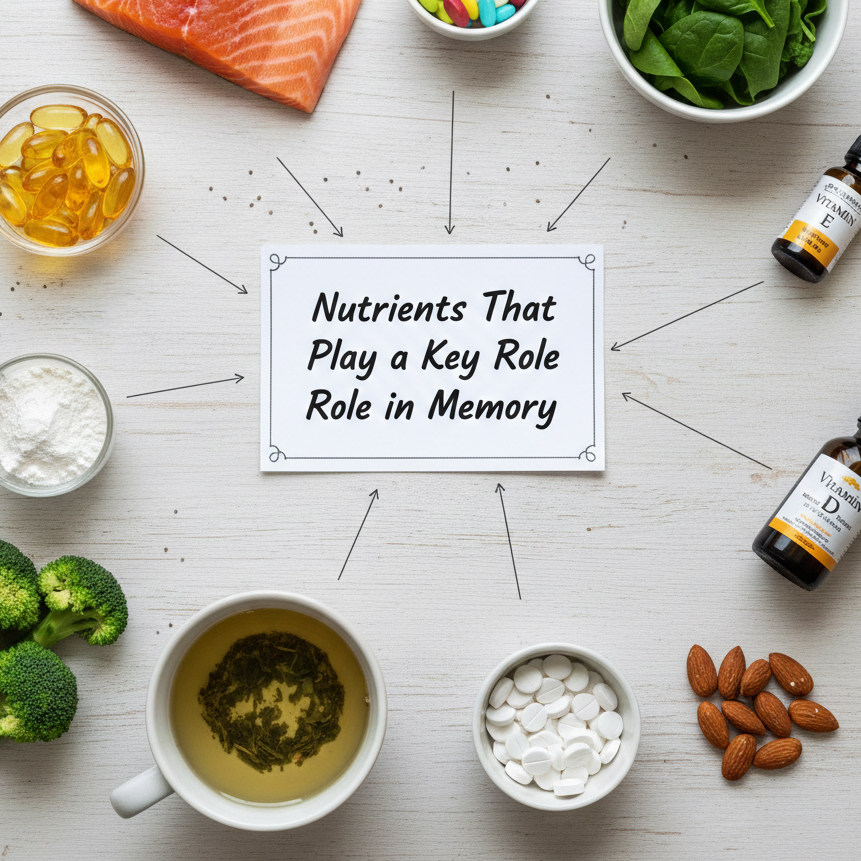
Your brain needs more than just good intentions; it needs the right nutrients delivered consistently through the food you eat every day. Each nutrient plays a specific and important role in how well your brain stores, processes, and recalls information. Understanding which nutrients matter most for memory helps you make smarter food choices that directly support a sharper and healthier brain.
- Omega-3 Fatty Acids (DHA and EPA) : These essential healthy fats are the primary building blocks of brain cell membranes. They keep neurons flexible and efficient, allowing brain cells to communicate clearly with each other which is fundamental to forming and recalling memories accurately.
- Vitamin E : Acts as a powerful fat-soluble antioxidant that specifically protects the membranes of neurons from oxidative damage. Higher vitamin E intake is consistently linked in research to a reduced risk of memory decline and Alzheimer’s disease as people age.
- B Vitamins (B6, B12, and Folate) : These three B vitamins work together to reduce homocysteine levels in the blood elevated homocysteine is directly linked to brain shrinkage and memory problems. They also support the production of neurotransmitters that regulate thinking, mood, and memory.
- Choline : An essential nutrient that the brain uses to synthesize acetylcholine, the neurotransmitter most directly responsible for memory storage and recall. Most people do not get enough choline in their daily diet which has a measurable negative impact on memory performance.
- Vitamin K : Activates key proteins involved in the survival and function of brain cells and supports the production of myelin, the protective coating around nerve fibers that allows signals to travel quickly and efficiently throughout the brain.
- Zinc and Magnesium : These two minerals regulate nerve signaling and synaptic plasticity, the process by which connections between brain cells are strengthened or weakened in response to learning and experience. Both are essential for the formation of new memories and the retention of existing ones.
- Flavonoids and Polyphenols : Plant compounds found in berries, dark chocolate, olive oil, and tea that reduce inflammation inside the brain and actively promote neuroplasticity, the brain’s ability to form new neural connections and adapt to new information and experiences.
- Vitamin C : A potent water-soluble antioxidant that protects neurons from oxidative stress and plays an essential role in the production of key neurotransmitters including dopamine and serotonin that regulate mood, motivation, attention, and memory encoding.
Foods to avoid for better brain health
Incorporating exercise, quality sleep, and stress management alongside a brain-healthy diet is essential for cognitive function. These habits promote better brain circulation, memory, and overall mental well-being are clearly shown below.
| Food to Avoid | Effects | Causes |
| Refined Sugar | Memory and cognitive function | Causes inflammation and disrupts insulin signaling in the brain |
| Trans Fats | Blood flow and brain health | Damages blood vessels that supply the brain with oxygen and nutrients |
| Highly Processed Foods | Overall brain function and clarity | Low in nutrients and high in additives that promote brain inflammation |
| Excess Alcohol | Memory center and sleep cycles | Kills brain cells, shrinks the hippocampus and disrupts sleep quality |
| Artificial Sweeteners | Mood regulation and thinking ability | Linked to cognitive disruption and mood instability in multiple studies |
| Artificial Food Dyes | Focus, mood and mental performance | Associated with cognitive disruption and behavioral instability |
Lifestyle Habits That Support Memory Along Diet
Diet is a powerful foundation for brain health, but it works best when combined with the right daily lifestyle habits. The way you move, sleep, manage stress, and connect with others has a direct and proven impact on how well your brain stores and recalls memories. Here are the key lifestyle habits that science shows will strengthen your memory and keep your mind sharp for years to come.
- Regular Aerobic Exercise : Walk, jog, swim, or cycle for at least 30 minutes five times a week. Regular exercise increases blood flow to the brain and stimulates BDNF production which supports the growth of new brain cells and strengthens memory over time.
- Quality Sleep : Aim for seven to nine hours of uninterrupted sleep every single night. Sleep is when your brain consolidates the memories formed during the day and clears out harmful metabolic waste through the glymphatic system. Poor sleep is one of the fastest ways to impair memory.
- Stress Management : Practice meditation, deep breathing, or yoga on a daily basis. Chronic stress releases cortisol which directly damages the hippocampus, the brain’s primary memory center and significantly impairs your ability to form and recall memories over time.
- Mental Stimulation : Read regularly, learn new skills, solve puzzles, or pick up a creative hobby. Keeping your brain actively challenged builds cognitive reserve which acts as a buffer that helps the brain resist the effects of aging and delay the onset of memory decline.
- Strong Social Connections : Spend quality time with family, friends, and your community as often as possible. Research consistently shows that strong meaningful social relationships protect against cognitive decline and keep the brain mentally engaged, emotionally healthy, and sharp as you age.
- Consistent Healthy Diet : Eat brain-boosting foods like fatty fish, berries, leafy greens, eggs, and olive oil every day as the foundation of your lifestyle. No other habit delivers as direct and powerful a benefit to brain cell health, memory function, and long-term cognitive protection as what you consistently choose to eat.
FAQs
Q: What is the best single food for memory?
Fatty fish and blueberries are the two most consistently supported by research. Fatty fish provides DHA omega-3s that build brain cell structure, while blueberries provide flavonoids that protect neurons and improve how brain cells communicate.
Q: How quickly will I notice memory improvements from eating these foods?
Some people notice improved mental clarity and focus within one to two weeks of reducing sugar and adding brain-healthy foods. More significant memory improvements typically develop over four to twelve weeks of consistent dietary change.
Do I need to eat all twelve foods every day?
No. Aim to include as many as you can regularly but do not stress about eating every single one daily. Even adding three to four of these foods to your regular diet consistently will produce meaningful brain benefits over time.
Q: Are frozen berries as good as fresh for brain health?
Yes. Frozen berries retain virtually all of their flavonoids and antioxidants and are often more affordable and convenient than fresh. They are an excellent and equally effective alternative to fresh berries year-round.
Q: Can these foods help with brain fog too?
Absolutely. Many of the same nutrients that improve memory, particularly omega-3s, antioxidants, B vitamins, and stable blood sugar from whole grains also reduce brain fog, improve focus, and boost overall mental clarity and energy levels.
Conclusion
The connection between food and memory is well-established and deeply powerful. The foods you eat every day either nourish or deplete your brain’s capacity to store, retrieve, and process information. By consistently choosing brain-boosting foods rich in omega-3s, antioxidants, vitamins, and anti-inflammatory compounds, you give your brain the raw materials it needs to function at its best. There is no single miracle food and the real power lies in building an overall dietary pattern that prioritizes brain health. Combined with regular exercise, quality sleep, stress management, and mental stimulation, a brain-healthy diet can protect your memory for decades to come and significantly improve your quality of life.
Reference:
- 15 “Brain Foods” That May Help Preserve Your Memory, from :https://www.unitypoint.org/news-and-articles/15-brain-foods-that-may-help-preserve-your-memory
- The 10 Foods that boost your brain power, from https://www.virtua.org/articles/the-top-10-foods-that-boost-your-brain-health
- Maximum memory function nutrient rich diet, from https://www.mayoclinichealthsystem.org/hometown-health/speaking-of-health/maximize-memory-function-with-a-nutrient-rich-diet
- Brain foods: the effects of nutrients on brain function-PMC-NIH, from https://pmc.ncbi.nlm.nih.gov/articles/PMC2805706/
- Gomez-Pinilla F. (2008). Brain foods: the effects of nutrients on brain function. Nature Reviews Neuroscience. https://www.nature.com/articles/nrn2421
- Alzheimer’s Association. (2022). 2022 Alzheimer’s Disease Facts and Figures. https://www.alz.org
- Harvard Health Publishing. (2021). The brain-boosting benefits of omega-3 fatty acids. https://www.health.harvard.edu