Explore Supplement Ingredients
A supplement is only as useful as the formula behind it. At SupplementTiger, our Ingredient Library takes a closer look at the vitamins, minerals, botanical extracts, amino acids, oils, probiotics, and other compounds commonly found across dietary supplement formulas.
Instead of focusing only on advertised benefits, our ingredient guides examine what each substance is, why manufacturers use it, how it may function in the body, and what scientific research currently tells us about its potential benefits. We also cover practical considerations such as typical supplemental amounts, possible side effects, safety concerns, and interactions where relevant.
Whether you spotted an unfamiliar ingredient on a supplement label, want to compare two formulas, or are researching a particular nutrient or botanical, this library is designed to make the information easier to understand. Explore the ingredients below or search for a specific ingredient to begin your research.

Cinnamon Bark
Cinnamon bark is obtained from trees belonging to the Cinnamomum genus and contains naturally occurring compounds such as cinnamaldehyde and polyphenols. Beyond its familiar use as a spice, cinnamon has attracted research interest for its possible effects on glucose metabolism, antioxidant activity, and other aspects of metabolic wellness. Different varieties, particularly Ceylon and Cassia cinnamon, can vary considerably in their chemical composition.
Berberine
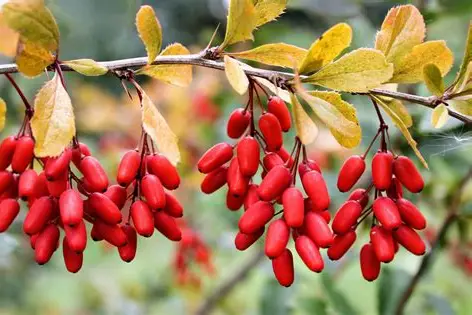
Berberine is a natural plant compound widely studied for metabolic health. It support healthy blood sugar, cholesterol, digestion, and weight management. Found in plants such as barberry and goldenseal, berberine is commonly used in dietary supplements. It also supports overall wellness and healthy cellular function. Research continues to explore its potential benefits.

Bitter Melon
Bitter melon is a tropical fruit traditionally used as both food and medicine, particularly for metabolic wellness. It contains bioactive compounds such as charantin, vicine, and polypeptide-p that have been studied for their potential role in glucose metabolism and antioxidant defense. Today, bitter melon is commonly used in dietary supplements designed to support healthy blood sugar levels and overall metabolic health.
Chromium
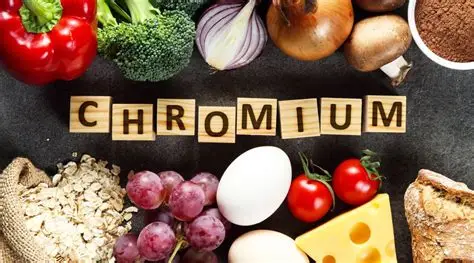
Chromium is an essential trace mineral that plays a role in normal carbohydrate, fat, and protein metabolism. It has been studied for its involvement in insulin action and healthy glucose regulation. Chromium is commonly included in dietary supplements designed to support metabolic wellness, especially alongside a balanced diet and regular physical activity.

Ginkgo Biloba
Ginkgo biloba is a plant extract traditionally used to support cognitive health and healthy circulation. It contains naturally occurring compounds, including flavonoids and terpenoids, that have been studied for their antioxidant and vascular effects. Ginkgo biloba is commonly included in dietary supplements formulated to support memory, mental clarity, focus, and overall brain wellness.
Maca Extract
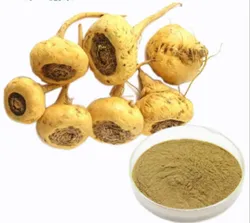
Maca extract is derived from the maca root, a plant traditionally used to support energy, stamina, and overall vitality. It contains naturally occurring plant compounds that have been studied for their potential effects on physical performance, mood, and reproductive wellness. Maca extract is commonly included in dietary supplements designed to support daily energy, endurance, and general well-being.
Muira Puama Extract
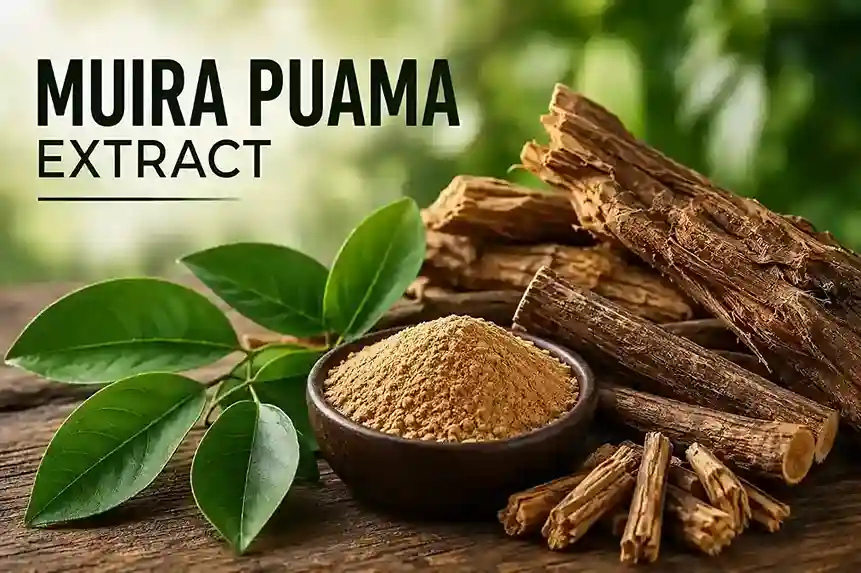
Muira Puama extract is derived from the bark and roots of a tropical plant traditionally used to support vitality, stamina, and overall wellness. It contains naturally occurring plant compounds that have been explored for their potential effects on energy, mood, and sexual wellness. Muira Puama is commonly included in dietary supplements formulated to support daily vitality, physical endurance, and general well-being.
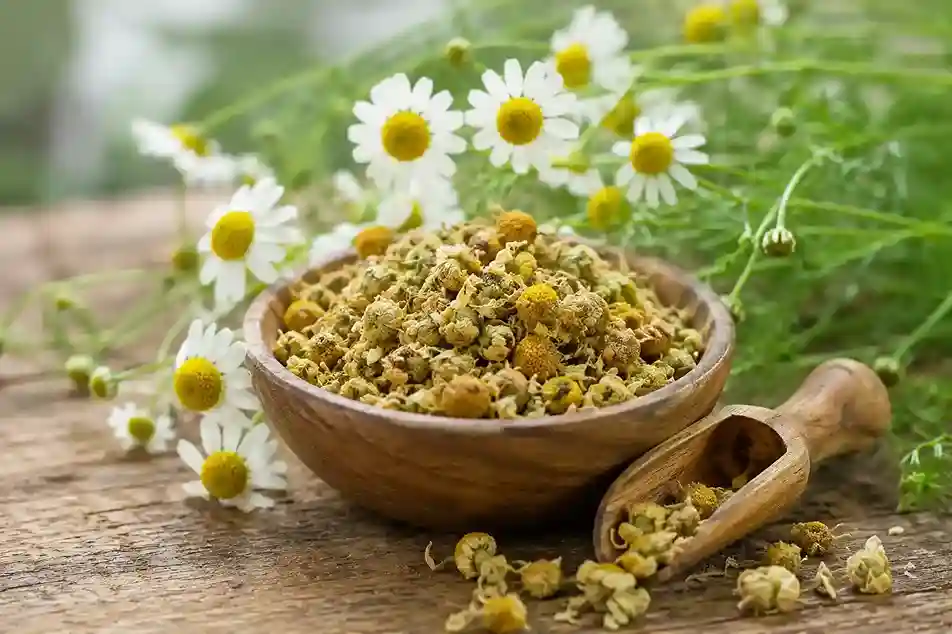
Chamomile Extract
Chamomile extract is derived from the chamomile flower, a botanical traditionally used to support relaxation, calmness, and overall wellness. It contains naturally occurring compounds, including flavonoids and other plant constituents, that have been studied for their antioxidant and calming properties. Chamomile extract is commonly included in dietary supplements formulated to support relaxation, emotional balance, restful sleep, and general well-being.
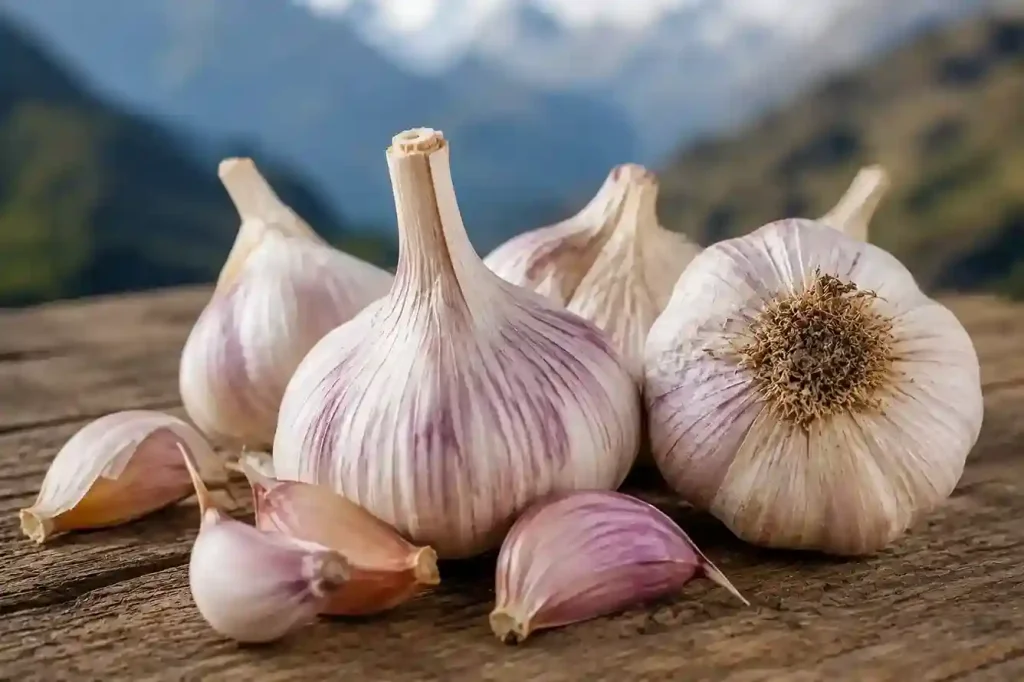
Himalayan Garlic
Himalayan garlic is a traditional variety of garlic valued for its distinctive flavor and naturally occurring sulfur compounds. It has been studied for its antioxidant properties and potential role in supporting cardiovascular and metabolic wellness. Himalayan garlic is commonly included in dietary supplements formulated to support healthy circulation, immune function, antioxidant defense, and overall well-being.

Catuaba Bark
Catuaba bark is derived from the bark of plants traditionally used in Brazilian herbal practices to support vitality, energy, and overall wellness. It contains naturally occurring plant compounds that have been explored for their potential effects on physical stamina, mood, and sexual wellness. Catuaba bark is commonly included in dietary supplements formulated to support daily vitality, endurance, and general well-being.

Tribulus terrestris
Tribulus terrestris is a botanical traditionally used to support vitality, physical stamina, and overall wellness. It contains naturally occurring plant compounds, including steroidal saponins, that have been studied for their potential effects on energy, exercise performance, and sexual wellness. Tribulus terrestris is commonly included in dietary supplements formulated to support daily vitality, endurance, and general well-being.

Hawthorn Berry
Hawthorn berry is a botanical traditionally used to support cardiovascular wellness and healthy circulation. It contains naturally occurring compounds, including flavonoids and procyanidins, that have been studied for their antioxidant and heart-supportive properties. Hawthorn berry is commonly included in dietary supplements formulated to support healthy blood flow, cardiovascular function, and overall heart health.

Vitamin B 12
Vitamin B12 is an essential water-soluble vitamin that plays an important role in red blood cell formation, DNA synthesis, nerve function, and normal energy metabolism. It is naturally found in foods such as meat, fish, eggs, and dairy products, while fortified foods and supplements provide additional sources. B12 supplements commonly contain cyanocobalamin or methylcobalamin and are often used to maintain adequate intake, particularly when dietary sources are limited. Maintaining sufficient B12 levels supports overall neurological, metabolic, and cellular health.

Rhodiola Rosea
Rhodiola Rosea is a traditional herb used to support stress resilience, energy, focus, and overall wellness. It is commonly available as a dietary supplement in capsules, tablets, or standardized root extracts. Its natural compounds, including rosavins and salidroside, are traditionally associated with physical and mental performance. It is often included in wellness routines focused on maintaining vitality and balanced energy levels.

Vitamin C
Vitamin C is an essential water-soluble vitamin that supports immune function, collagen production, and antioxidant protection. It is naturally found in fruits and vegetables such as citrus fruits, strawberries, kiwi, peppers, and broccoli. Vitamin C also helps support healthy iron absorption and normal connective tissue function. It is commonly used in daily wellness routines to support skin health, immunity, and overall cellular wellness.
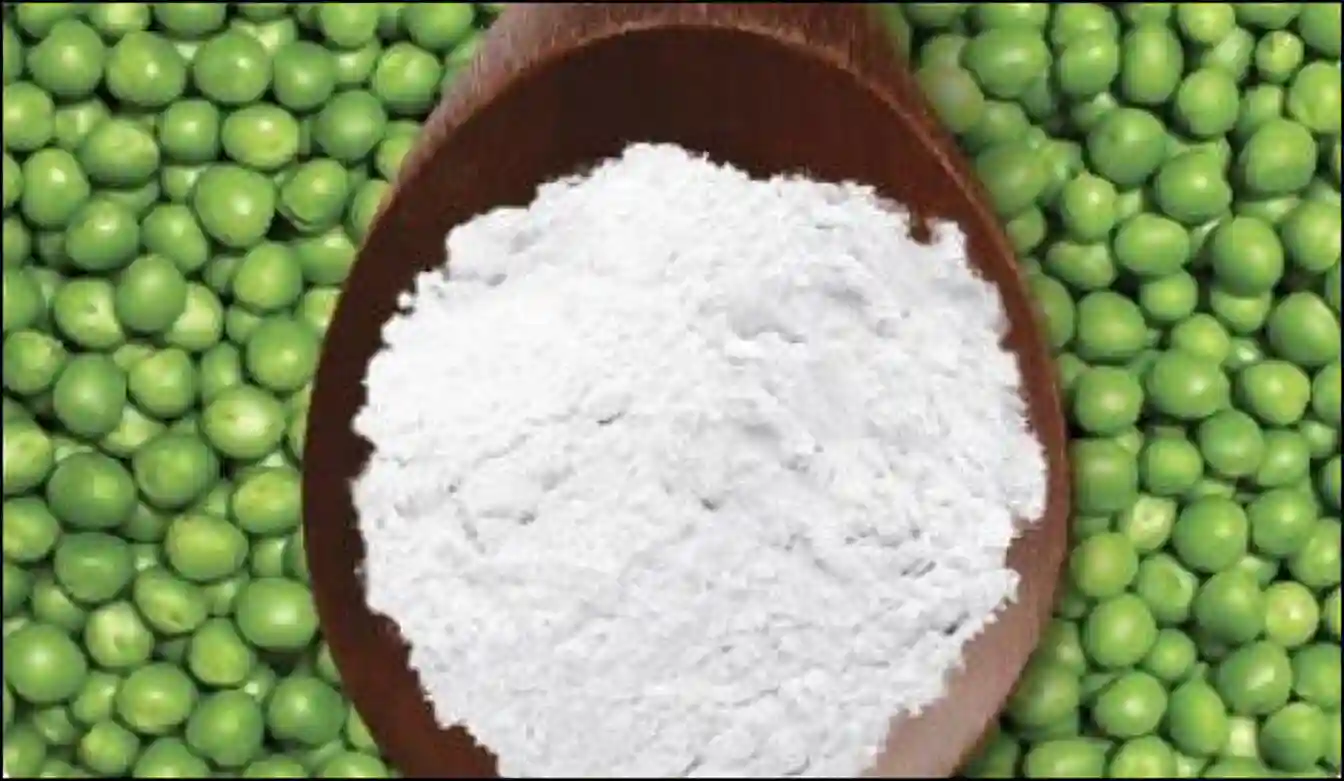
Pea Starch
Pea starch is a plant-based carbohydrate derived from yellow peas and is commonly used in food products and dietary formulations. It contains resistant starch that help slow carbohydrate digestion and support healthy post-meal blood sugar responses. It also support gut microbiome balance and overall metabolic wellness. Pea starch is available in purified powder or capsule forms and is often included in gluten-free and metabolic health products.
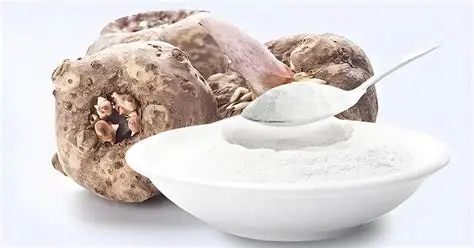
Konjac Glucomannan
Konjac glucomannan is a soluble dietary fiber derived from the konjac plant and known for its strong water-absorbing properties. It expands in the digestive tract to promote fullness and support healthy weight management. It also help maintain digestive regularity, healthy cholesterol levels, and balanced blood sugar responses.

L-Arabinos
Konjac glucomannan is a soluble dietary fiber derived from the konjac plant and known for its strong water-absorbing properties. It expands in the digestive tract to promote fullness and support healthy weight management. It also help maintain digestive regularity, healthy cholesterol levels, and balanced blood sugar responses. Its high fiber content can also support a balanced gut environment and overall digestive wellness. It is commonly used in daily fiber supplements and weight management formulas.
Fenugreek
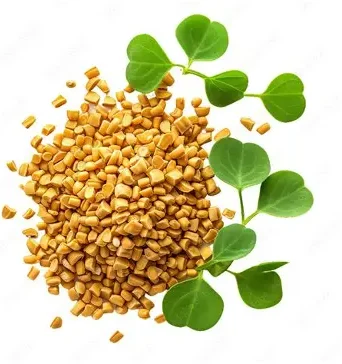
Fenugreek is a traditional herb commonly used as a spice and dietary supplement. It is known for its potential to support metabolic and digestive wellness. It is available as seeds, powder, or concentrated extracts. It has been used traditionally for generations and remains a popular herbal ingredient. Modern research continues to explore its potential health benefits.
L-Carnitine
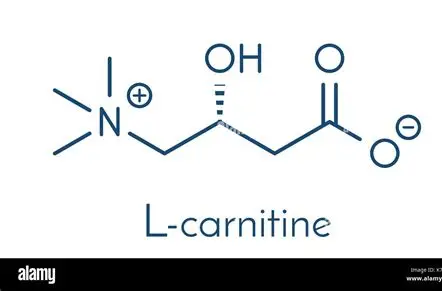
L-Carnitine is a naturally occurring compound commonly used in sports and wellness supplements. It is associated with normal energy metabolism and has been studied for exercise and weight management. It is naturally found in foods such as meat and dairy. It remains a popular ingredient in fitness-focused formulas. Research continues to explore its potential role in overall wellness.
Spermidine
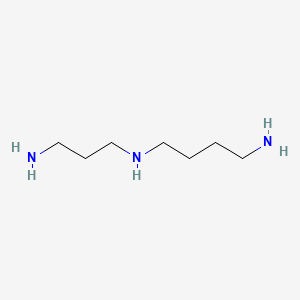
Spermidine is a naturally occurring polyamine found in plants, animals, and microorganisms. It plays an important role in normal cellular growth, maintenance, and overall cell function. Research has highlighted its involvement in autophagy, the natural process cells use to remove damaged or unnecessary components. It is also found in foods such as wheat germ, soybeans, mushrooms, whole grains, and aged cheeses. Because of its role in cellular health and aging-related processes, spermidine continues to be studied in nutritional and longevity research.

Horny Goat Weed
Horny goat weed is a traditional herbal ingredient made from Epimedium plants. It has been used for centuries in traditional medicine, especially for supporting vitality and sexual wellness. Today, it is commonly found in capsules, powders, and herbal extracts. The plant contains natural compounds such as icariin, which researchers continue to study. While early research is promising, more human studies are needed to confirm its potential benefits

Maca Root
Maca Root is a traditional Andean root known for its potential benefits for energy, stamina, mood, and overall wellness. It comes from Lepidium meyenii and has been used for generations to support vitality and reproductive health. Today, maca is commonly available as a powder, extract, or dietary supplement. Research is still developing, but current studies suggest it offer several potential health benefits when combined with a healthy lifestyle.
Lactalbumin
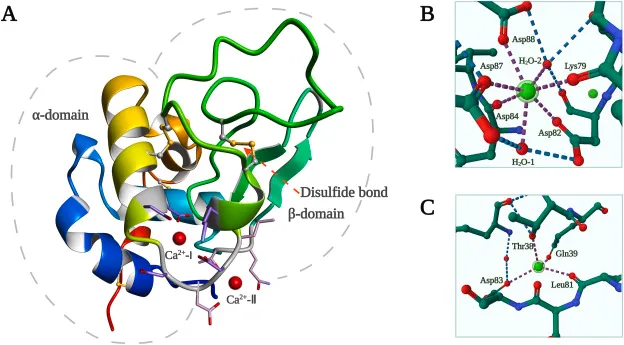
Lactalbumin, especially alpha-lactalbumin, is a natural whey protein found in milk and is rich in the amino acid tryptophan. It has been studied for its potential role in sleep, cognitive function, mood, and overall nutrition. Research also explores its use in infant nutrition and its possible immune and metabolic benefits. While early findings are promising, more human research is needed to fully understand its health effects
Melatonin
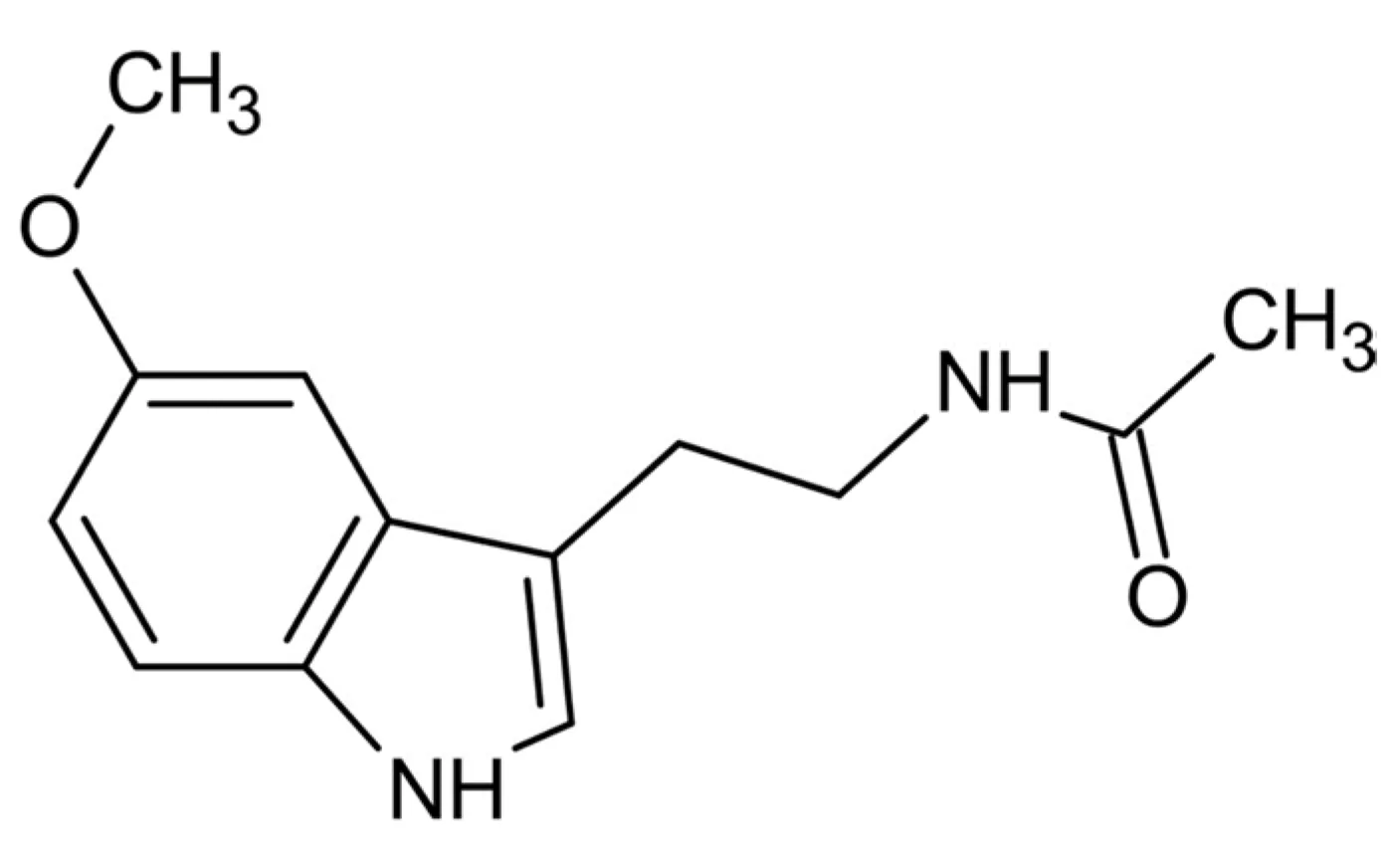
Melatonin is a natural hormone that helps regulate the body’s sleep-wake cycle and internal clock. Its levels usually rise in the evening as it gets darker, helping prepare the body for sleep. Melatonin supplements are commonly used to support sleep timing, jet lag, and certain circadian rhythm problems. Research continues to explore its other potential roles in overall health and wellness.
Proline-Rich Polypeptides
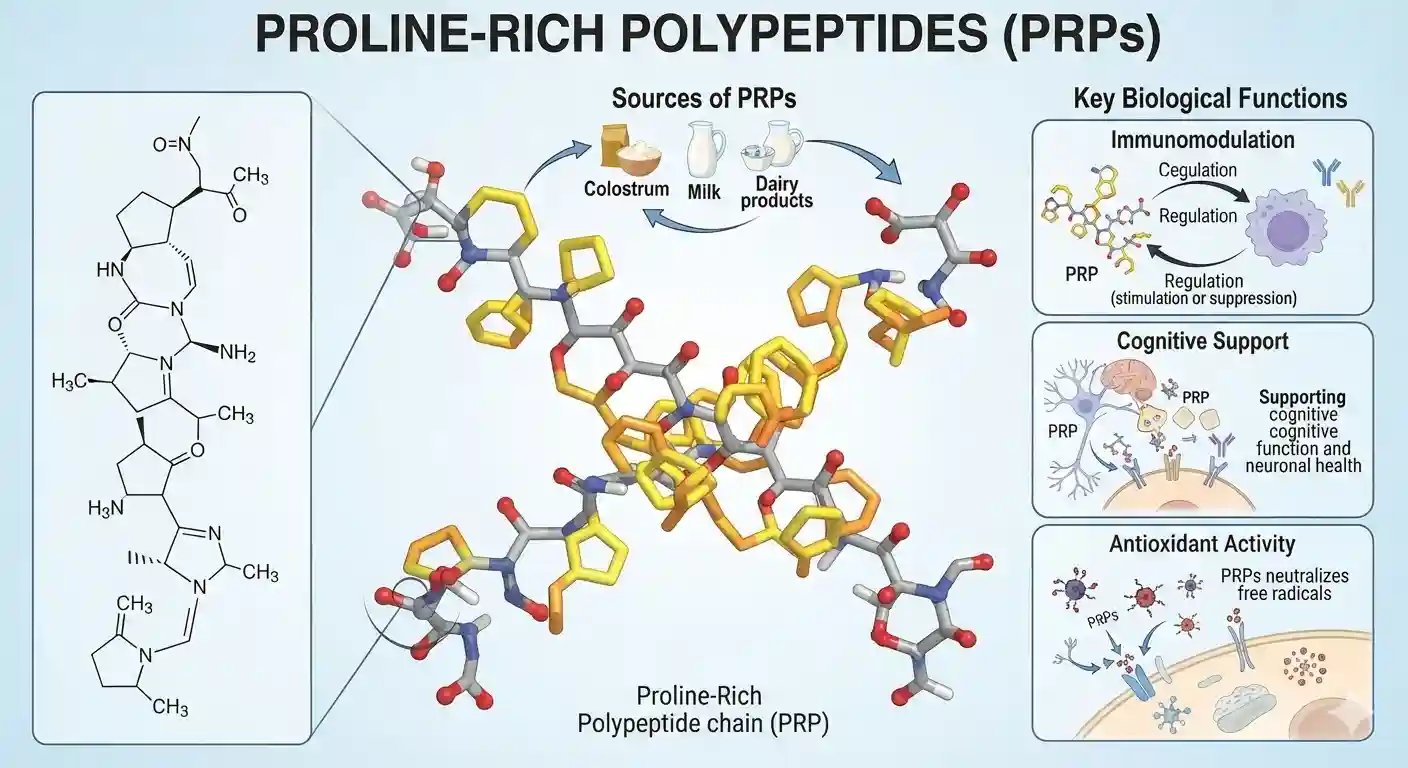
Proline-rich polypeptides (PRPs), also known as Colostrinin, are naturally occurring peptides found mainly in colostrum. They have attracted research interest because of their effects on immune signaling and cellular activity. Studies have also explored their possible role in cognitive function, brain health, and protection against oxidative stress. While early findings are promising, research is still ongoing to determine how useful PRPs be for long-term health.
Alpha-Lipoic Acid
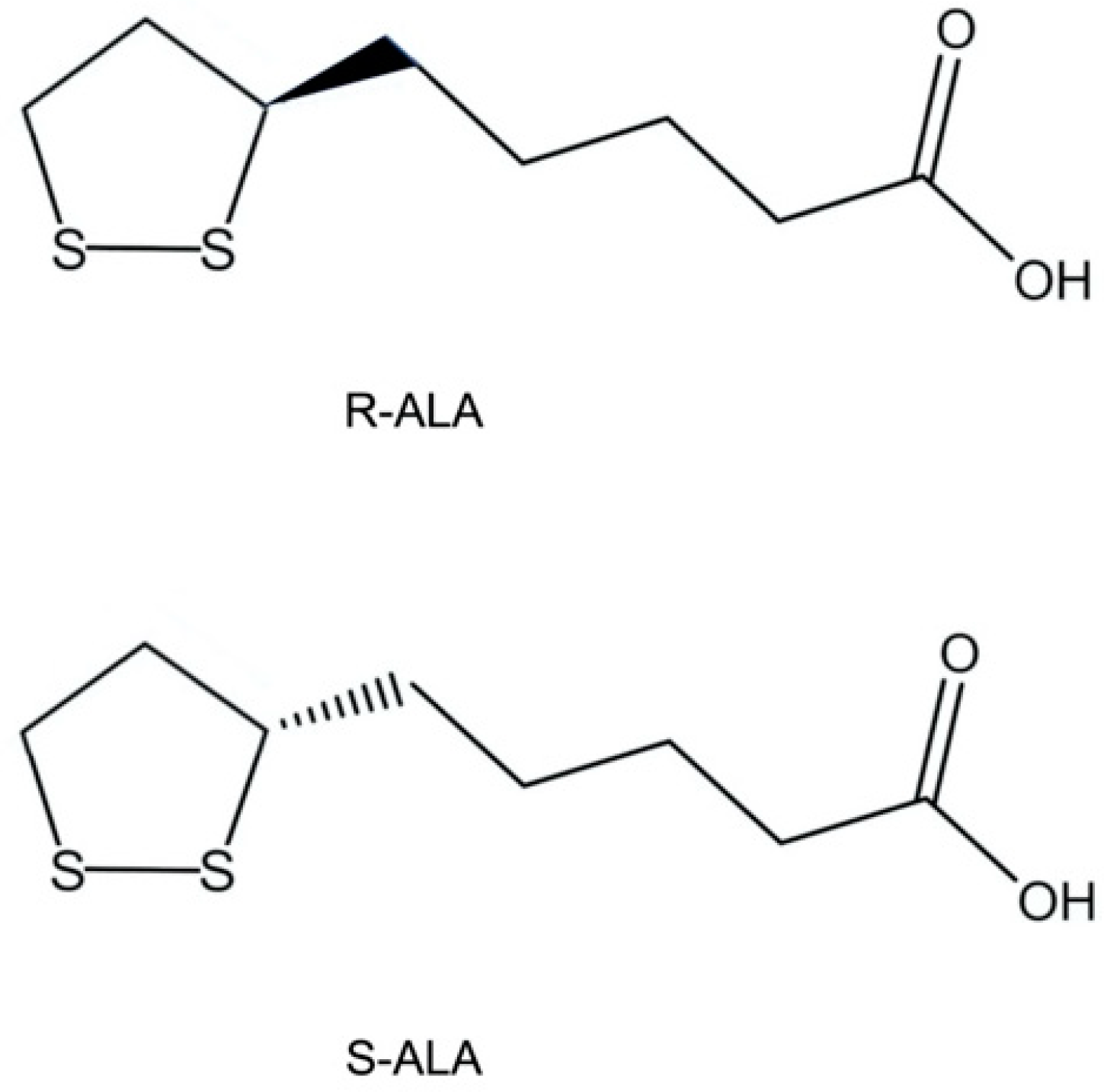
Alpha-lipoic acid is a natural compound made in small amounts by the body and found in foods such as meat, spinach, and broccoli. It is known for its antioxidant activity and its role in cellular energy production. Research has also explored its potential benefits for blood sugar, nerve, and metabolic health. Alpha-lipoic acid is now commonly used in dietary supplements for overall cellular and metabolic support.

Passionflower
Passionflower is a traditional herbal plant best known for its calming and relaxing properties. It comes from Passiflora incarnata, a climbing plant that has been used in herbal preparations for many years. Today, passionflower is commonly found in teas, capsules, and liquid extracts. Research has mainly explored its potential role in relaxation, anxiety, and sleep. While some studies show promising results, more research is needed to confirm its benefits.
L-Arginine
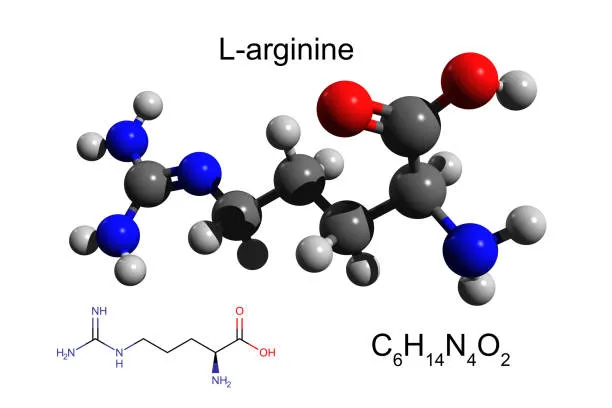
L-arginine is a naturally occurring amino acid that plays an important role in several processes in the body. It supports protein synthesis, nitrogen metabolism, and the production of nitric oxide. It is found naturally in many protein-rich foods and is also available as a dietary supplement. Research has explored its potential effects on blood pressure, circulation, exercise performance, and other areas of health.
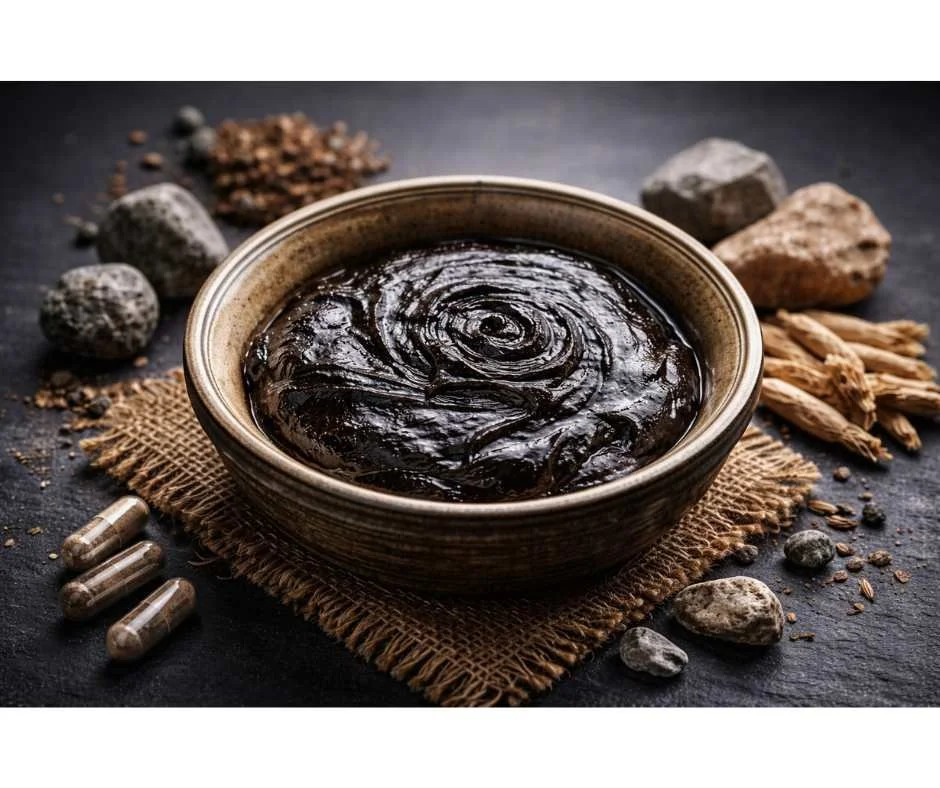
Purified Shilajit
Shilajit is a natural, resin-like substance traditionally found in high mountain regions, especially the Himalayas. It forms over long periods from the breakdown of plant and microbial matter trapped in rocks. Traditionally used in Ayurvedic practices, Shilajit is known for its rich mineral and organic compound content. Today, it is commonly used as a dietary supplement for energy, vitality, and overall wellness.

Shatavari Root
Shatavari root comes from Asparagus racemosus, a climbing plant traditionally used in Ayurveda. The root is the main part of the plant used in traditional preparations and contains naturally occurring compounds, including steroidal saponins known as shatavarins. It has traditionally been used for women’s health and general wellness, while modern research is exploring its potential biological effects.
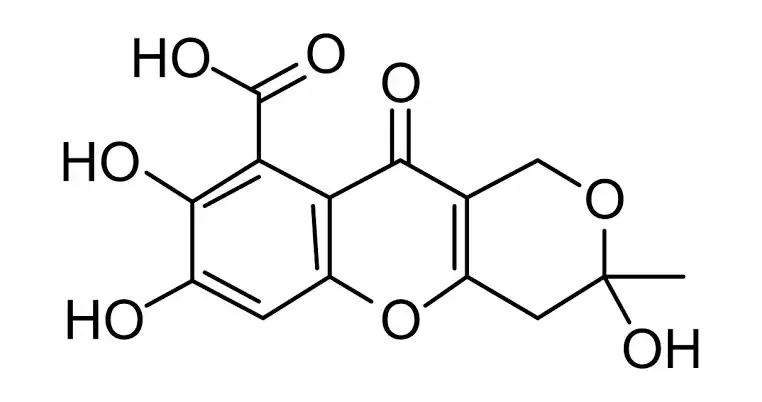
Fluvic Acid
Fulvic acid is a natural compound found in soil, plants, and other organic materials. It is formed as plant and animal matter breaks down over time. It has gained attention as a wellness ingredient because of its antioxidant properties and possible effects on nutrient absorption. However, research on its health benefits in humans is still limited.

Black Cohosh
Black cohosh is a traditional herbal plant mainly known for its use in women’s health. It has gained attention for supporting women during menopause, especially for symptoms such as hot flashes and night sweats. The root and rhizome are commonly used in supplements. Research is ongoing to better understand its potential benefits.
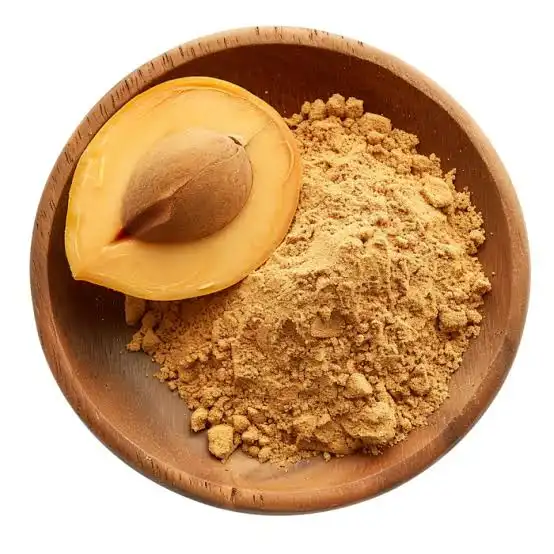
African Mango Seed
African mango seed comes from the fruit of the Irvingia gabonensis tree, which grows in parts of West and Central Africa. The seed has been used as a traditional food ingredient and is also found in dietary supplements. It contains healthy fats, protein, fiber, and other plant compounds. African mango seed has gained attention for its possible role in weight management and meta

Red Clover
Red clover (Trifolium pratense) is a flowering plant belonging to the legume family. It is native to Europe, Western Asia, and parts of North Africa and is now widely grown in many regions. The plant is traditionally used as an herbal remedy, particularly for menopause-related symptoms. It is also commonly cultivated as a forage plant and cover crop to support soil fertility.
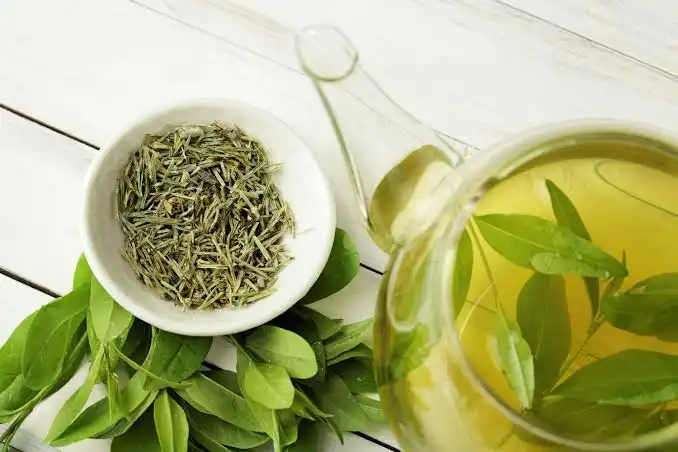
Green Tea Leaf Extract
Green tea leaf extract is a concentrated preparation made from the leaves of Camellia sinensis. It contains natural plant compounds called catechins, including EGCG, as well as varying amounts of caffeine. These compounds have antioxidant properties and are widely studied for their potential health effects. Green tea extract is commonly found in dietary supplements, beverages, and skincare products.
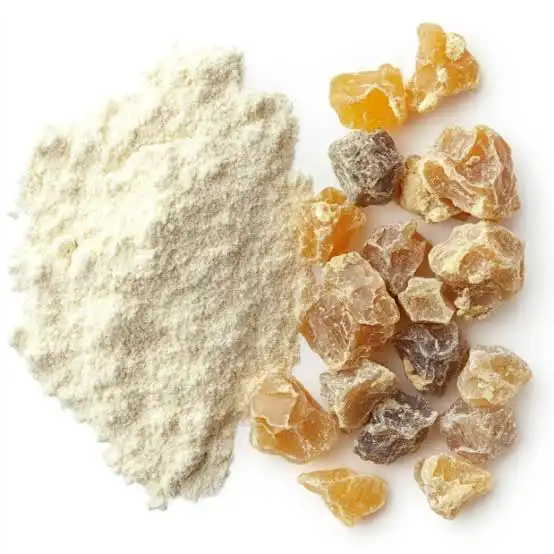
Boswellia Serrata Extract
Boswellia serrata extract is a plant-based ingredient made from the resin of the Boswellia serrata tree. It has a long history of use in traditional Ayurvedic medicine. The extract contains natural compounds called boswellic acids, which are mainly studied for their role in joint and inflammatory health. Today, Boswellia serrata extract is commonly used in dietary supplements for joint comfort and mobility.

BHB Ketone Salts
BHB ketone salts are supplements that provide beta-hydroxybutyrate (BHB), a major ketone body used by the body for energy. They combine BHB with minerals such as sodium, calcium, magnesium, or potassium. These supplements are commonly used to raise blood ketone levels and support ketogenic diets. This guide explains BHB ketone salts, their benefits, uses, taste, side effects, and what research says about them.
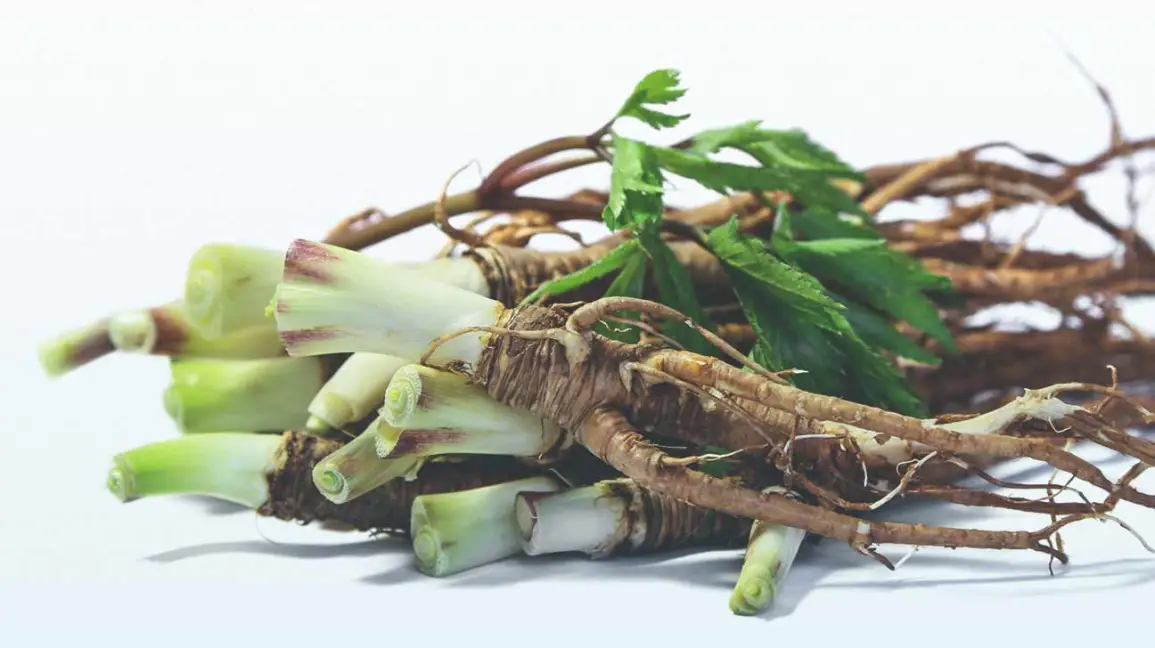
Dong Quai
Dong Quai is a well-known traditional herb prepared from the root of Angelica sinensis. Often called Chinese angelica, it has a long history of use in traditional Chinese medicine, particularly for women’s health. Its root contains several active plant compounds, including ferulic acid and ligustilide. Today, Dong Quai is commonly used in herbal teas, capsules, powders, and dietary supplements.
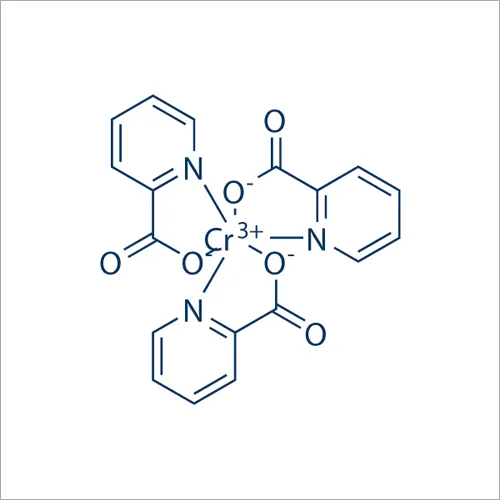
Chromium Picolinate
Chromium picolinate is a form of chromium commonly used in dietary supplements. Chromium is an essential trace mineral involved in insulin and carbohydrate metabolism. It has gained attention for its potential role in blood sugar regulation and weight management. However, research on its benefits has produced mixed results.
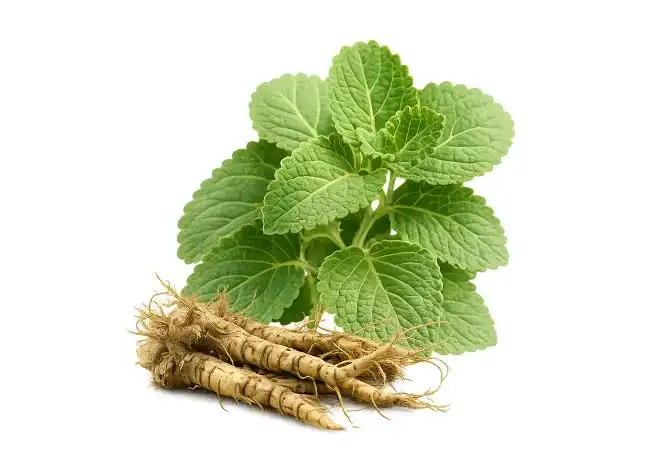
Coleus forskohlii Root Extract
Coleus forskohlii has a long history in traditional Ayurvedic practices, but its growing popularity today comes largely from interest in its active compound, forskolin. The herb is commonly included in supplements marketed for weight management and body composition. Its traditional uses and modern research interests cover a wider range of areas, including metabolism, cardiovascular health, and respiratory function.
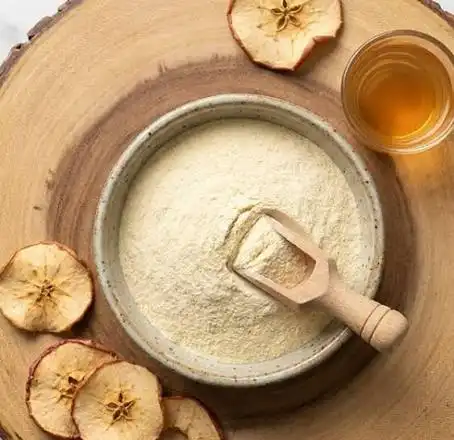
Apple Cider Vinegar Powder
Apple cider vinegar powder offers a simple way to include vinegar compounds in your daily routine. It is made by drying apple cider vinegar into a concentrated powder form. Unlike liquid vinegar, the powder is easier to store, measure, and use in supplements. It is commonly used for blood sugar support, weight management, and everyday wellness.
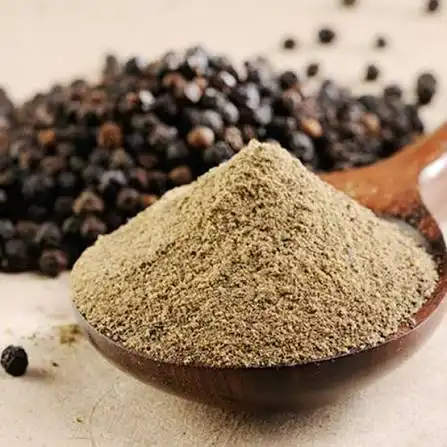
Black Pepper Extract
Black pepper extract is a concentrated form of black pepper made from the fruit of Piper nigrum. It contains several natural compounds, with piperine being the best-known active compound. Piperine is studied for its role in absorption, metabolism, and other biological processes. Because of this, black pepper extract is widely used in dietary supplements and herbal formulas. Its concentrated form makes it different from the small amount of black pepper normally used i
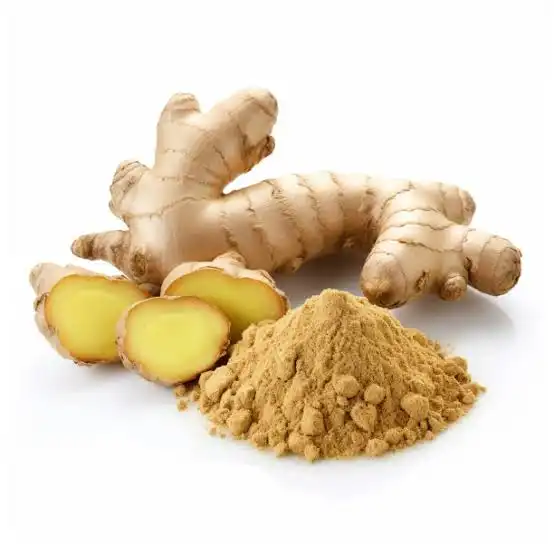
Ginger Root Extract
Ginger root extract is a concentrated form of ginger made from the underground rhizome of Zingiber officinale. It contains natural compounds such as gingerols and shogaols that give ginger its distinctive properties. Ginger extract is used in supplements for digestive health, nausea, menstrual comfort, and other wellness needs. Its concentrated form makes it an easy way to get ginger compounds in a supplement routine.
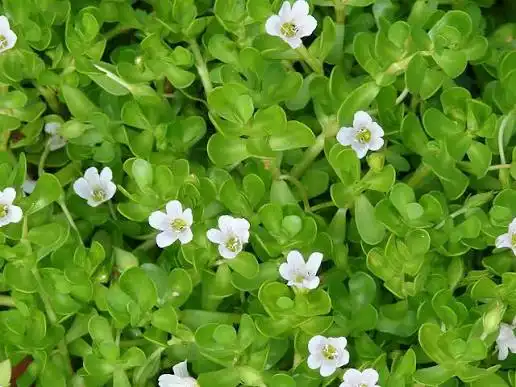
Bacopa Monnieri
Bacopa monnieri, also known as Brahmi, is a traditional herb widely used in Ayurvedic medicine. It is best known for its connection to memory, learning, and cognitive health. The plant contains natural compounds called bacosides, which are the main focus of modern Bacopa research. Today, Bacopa is available in capsules, tablets, powders, and standardized extracts for everyday.

Raspberry Ketones
Raspberry ketone is a natural compound found in small amounts in red raspberries. It gives raspberries their sweet, fruity aroma and is also used as a flavoring and fragrance ingredient. Today, raspberry ketone is best known as an ingredient in weight-management and fat-burning supplements. Research has also explored its effects on fat metabolism, antioxidant activity, and other biological processes.
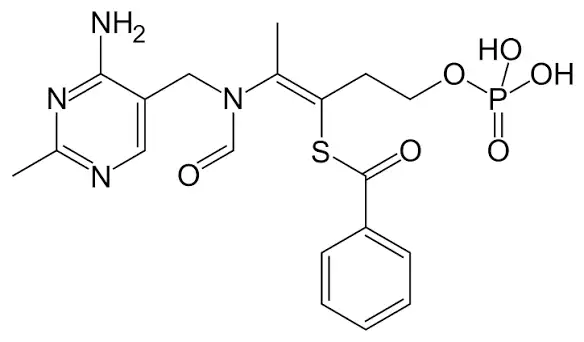
Benfotiamine
Benfotiamine has attracted interest because it offers a different form of vitamin B1 for nutritional support. Research has focused heavily on its role in nerve health, especially in people with diabetic neuropathy. However, study results have not been completely consistent. Looking at the overall evidence helps separate established facts from claims that still need stronger support.
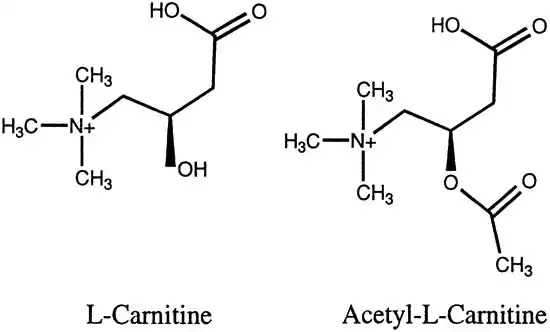
Acetyl-L-Carnitine
Acetyl-L-carnitine is a form of L-carnitine that plays a role in energy production and fatty acid metabolism. It is also widely used in dietary supplements for energy, brain, and nerve support. Research has explored its use for several health concerns, especially those involving nerve function. Understanding its uses, benefits, side effects, and safety can help you decide whether acetyl-L-carnitine is right for you.

Valerian Root
Valerian root is an herbal ingredient mainly used for sleep support and relaxation. It comes from Valeriana officinalis and is available in forms such as capsules, extracts, and tea. People commonly take it in the evening to unwind and support a regular bedtime routine. Its uses, benefits, safety, and interactions depend on the preparation and how it is taken.
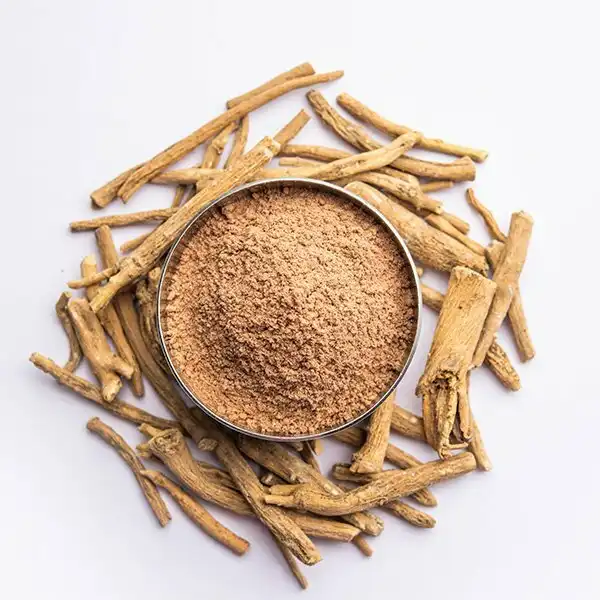
Ashwagandha Extract
Ashwagandha extract is a concentrated herbal preparation made from the roots of Withania somnifera, a plant traditionally used in Ayurvedic medicine. It contains naturally occurring compounds called withanolides, which are among the main constituents studied in ashwagandha. Unlike plain root powder, an extract is processed to concentrate specific plant compounds. Ashwagandha extracts are available in capsules, tablets, powders, and liquid forms, with strength varying by extraction method and standardization.

Cayenne Pepper Extract
Cayenne pepper extract is a concentrated preparation made from cayenne peppers, a type of Capsicum plant. It is rich in capsaicin and other capsaicinoids that give cayenne its characteristic heat. Unlike ordinary cayenne powder, an extract is processed to provide a more concentrated amount of these compounds. Cayenne pepper extract is commonly used in supplements for metabolism, appetite, digestion, and circulation support.